
Shield AI Careers 2026 How to Get Hired at the Defense AI Leader
Overview
Introduction: Navigating the AI Career Landscape in 2026
The AI job market in 2026 is exploding. Companies across every industry are racing to build, deploy, and scale artificial intelligence solutions. This creates incredible opportunities for professionals at all levels. But here’s the catch: the sheer volume of information makes it tough to figure out where to focus. Job listings, company announcements, and industry news come at you from all sides. It can feel like drinking from a fire hose.
That is exactly why resources like the best AI newsletters for tech and business leaders exist to help professionals stay updated. But even those only scratch the surface when you are looking for specific career paths.
In this article, we cut through the noise. We map the current state of AI employment, shine a spotlight on one standout company that is shaping the future, and give you actionable steps to land a role you will love.

Whether you are just starting out or making a mid-career shift, knowing where the real opportunities live matters.
One company that keeps coming up in conversations about shield ai careers is Shield AI. They are at the forefront of defense AI, building autonomous systems that operate in complex environments. Understanding how to position yourself for roles at companies like this is the whole point of what we do here.
We will walk through the landscape, break down the skills that matter, and show you exactly where to find openings. To keep your finger on the pulse while you search, consider subscribing to The AI Newsletter Worth Reading for daily updates that cut through the clutter.
Ready to find your place in the AI revolution? Let us start with the big picture.
The State of the AI Job Market in 2026
The AI job market in 2026 is red hot, but it helps to know exactly where the heat is concentrated. The numbers tell a clear story: roles tied to artificial intelligence are growing much faster than everything else.
According to the PwC 2026 Global AI Jobs Barometer, jobs that require specific AI skills like machine learning or prompt engineering are growing nearly eight times faster than the overall job market. The average wage premium for workers with AI skills hit 62% this year, up from 57% last year. That is a massive bump for anyone who builds those abilities.
But here is the thing: the overall hiring environment is still lukewarm. Indeed reports that US job postings overall are only about 6% above pre-pandemic levels. Yet postings that mention AI have surged more than 130%. Employers are not hiring broadly, but they are hiring heavily for AI talent. This means the competition for each opening is fierce.
Salary ranges reflect this demand. Entry-level AI roles often start well above six figures in major tech hubs. Senior positions at companies like Shield AI and other defense-focused firms can command even higher pay because they need people who understand both AI and complex operational environments.
Geographically, the hotspots remain predictable. San Francisco, New York, Seattle, and Boston lead the pack. But here is the good news: remote work is still common for AI professionals. Many companies are open to hiring talent from anywhere. If you are willing to keep learning and stay sharp, geography does not have to limit your options.
Speaking of staying sharp, check out this guide on remote jobs worldwide for AI professionals to see where the best opportunities are landing.
So what does this mean for your job search? You need to be strategic. The days of getting hired with just a basic understanding of AI are over. Employers want real skills, real projects, and real experience. That is why continuous learning is non-negotiable. Whether you are chasing shield ai careers or roles at other frontier companies, the people who invest in their skills now will be the ones landing the best offers.
The AI job market is full of opportunity, but it rewards preparation. Let us look at one company that is setting the standard for what AI careers can look like.
Spotlight on Shield AI: Company Culture and Mission
Shield AI is exactly that kind of company. It builds AI pilots and autonomous aircraft for defense. But what really sets Shield AI apart is its mission: to protect service members and civilians with intelligent systems. That mission drives everything they do.
According to the Shield AI business breakdown from Contrary Research, their core product is Hivemind, an AI pilot that lets aircraft operate without GPS, communications, or human input. This technology has been deployed in combat since 2018.
The culture at Shield AI is deeply mission-oriented. They do not hire anyone who is not aligned with protecting people.

That sense of purpose attracts top engineers, roboticists, and software developers who want their work to matter. Roles span engineering, robotics, software, and operations, with offices in San Diego, Dallas, Washington DC, and international hubs.
If you are exploring top AI companies in 2026 that combine cutting-edge tech with real-world impact, Shield AI is a great place to start. For daily updates on companies like this, get clear daily AI updates from The AI Newsletter Worth Reading.
Key Products and Technology Focus
At the heart of Shield AI is Hivemind, the AI pilot software that lets aircraft sense, decide, and act without human input.
It works without GPS or communications, making it ideal for contested environments. The V-BAT vertical takeoff and landing drone pairs with Hivemind for autonomous missions.
The company invests heavily in computer vision, reinforcement learning, and edge AI. These are not basic "ai for work" tools. They are advanced systems operating across multiple ai domains.
This is where shield ai careers come in. The company needs specialized talent in perception, planning, and control. Engineers who make machines see, decide, and move through dangerous airspace. According to a Shield AI mission brief, Hivemind has flown on F-16s and V-BATs since 2018.
For skills that match what defense tech companies look for, check this 2026 AI training guide.
Growth Trajectory and Funding
Shield AI has moved fast in the funding world. In March 2025, the company closed a $240 million strategic round that pushed its valuation to $5.3 billion. This follows other major raises including a $200 million Series E in 2024. Big funding like this signals a company with serious momentum.
When a defense tech company raises this much capital, it means one thing for job seekers: hiring. Shield AI now has offices across the U.S., Europe, the Middle East, and Asia-Pacific. It employs between 1,001 and 5,000 people according to its LinkedIn company page. That is a lot of room for new talent.
This growth trajectory matters if you are exploring shield ai careers. A well-funded company can offer stability, better resources, and the chance to work on advanced ai domains. For a closer look at how funding shapes the defense tech world, see our breakdown of AI venture capital trends.
If you want to stay on top of developments like this one, subscribe to The AI Newsletter Worth Reading. It delivers clear daily AI updates straight to your inbox.
Top AI Roles and Skills in Demand
So what roles does Shield AI actually hire for? The company needs machine learning engineers, data scientists, robotics engineers, and AI ethicists.
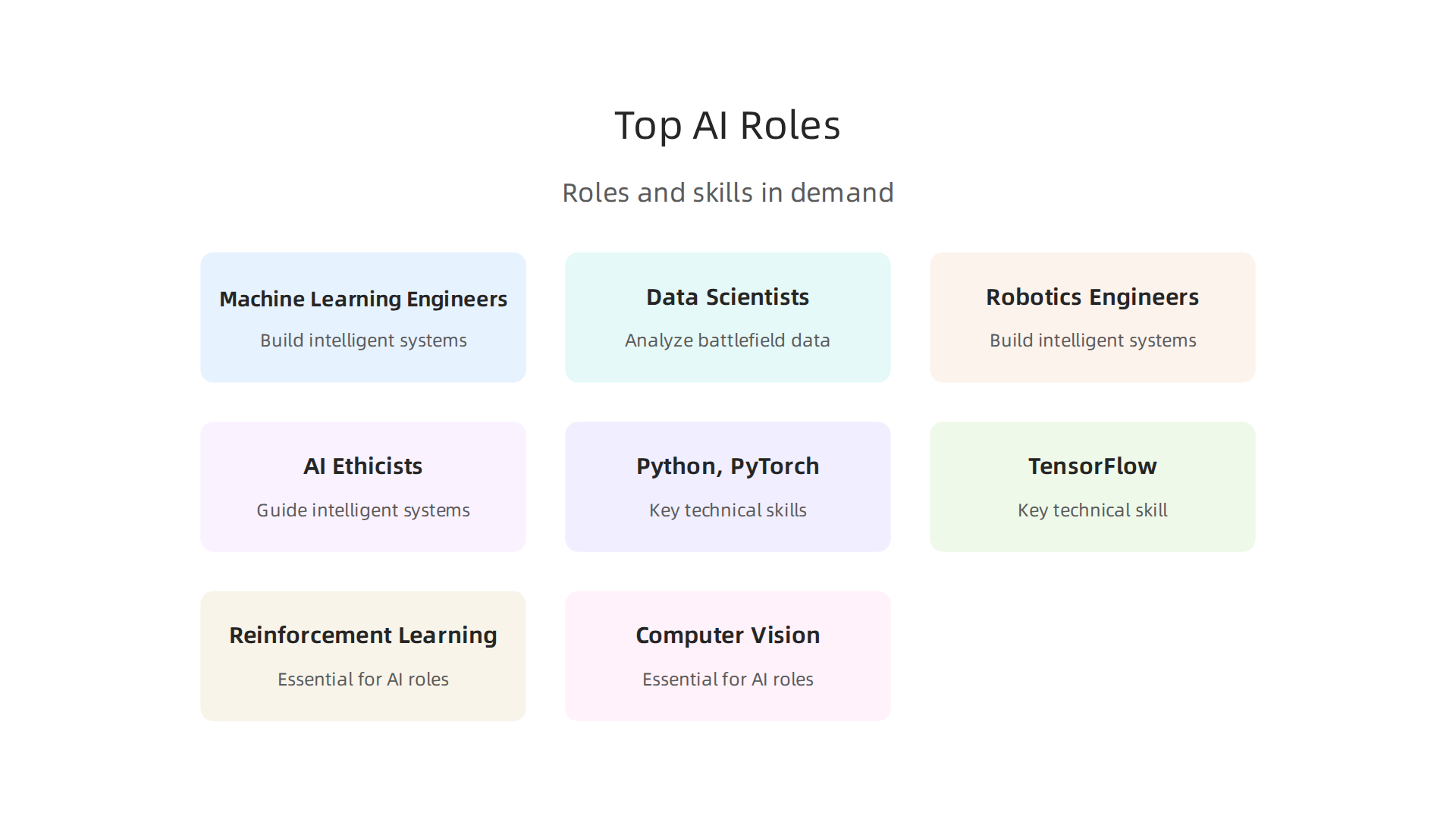
These are the people who build and guide the intelligent systems that fly drones and analyze battlefield data.
The technical skills that matter most include Python, PyTorch, TensorFlow, reinforcement learning, and computer vision. Systems engineering experience is also a big plus. These are exactly the kind of skills that are surging across the entire job market. According to the 2026 Global AI Jobs Barometer from PwC, jobs requiring AI skills are growing nearly 69% faster than the overall market. The wage premium for AI skills has hit 62%.
But technical chops are not everything. Shield AI also looks for problem-solvers who communicate well. Soft skills like leadership and judgment become even more valuable as AI handles routine tasks. If you want to build these skills step by step, check out this research-backed roadmap for AI training in 2026.
Software Engineering and ML Roles
Now let’s get into the specific software engineering roles that power Shield AI careers.
Software engineers with AI and machine learning skills are the backbone of companies building autonomous systems. These engineers build the pipelines that collect data and the infrastructure that runs models in production. They also handle deployment and monitoring.
ML engineers go deeper. They focus on model development, training, and MLOps. MLOps is the practice of managing machine learning models through their entire lifecycle. It keeps models accurate and reliable over time.
To succeed in these roles, you need more than just coding skills. Cloud platforms like AWS and GCP are essential. So is containerization with tools like Docker and Kubernetes. These tools help teams scale their AI work efficiently.
The demand for these skills is not slowing down. According to the January 2026 US Labor Market Update from Indeed, jobs mentioning AI are growing even as overall hiring stays flat. That makes right now a great time to build these skills.
If you want to go deeper on the technical side, check out this AI-powered software development in 2026 guide.
And if you want daily updates on where AI careers are heading, consider The AI Newsletter Worth Reading. It delivers clear updates straight to your inbox.
Robotics and Autonomous Systems
Beyond software engineering, another exciting branch of Shield AI careers lies in robotics and autonomous systems. These roles bring AI into the physical world, powering everything from warehouse robots to self-driving vehicles.
To succeed here, you need a mix of skills you might not expect. Control systems keep the robot balanced and moving smoothly. Sensor fusion combines data from cameras, LiDAR, and radars to build a clear picture of the environment. And real-time AI makes sure decisions happen in milliseconds, not seconds.
One tool that shows up constantly is the Robot Operating System, or ROS. It is not a true operating system, but a framework that helps you build robot software. Pair that with simulation environments like Gazebo, and you can test your code without needing a physical robot.
Hardware-software integration skills really set candidates apart. Understanding how circuits, motors, and sensors talk to the code you write makes you invaluable on a robotics team.
According to the PwC’s 2026 Global AI Jobs Barometer, demand for AI skills continues to surge, and that includes robotics specialists. If you want to sharpen your technical edge, check out this guide on vision AI projects that tie directly into real‑world robotics work.
How to Land a Job at Shield AI and Other Top AI Companies
You have the technical skills. Now you need the right approach to get noticed.
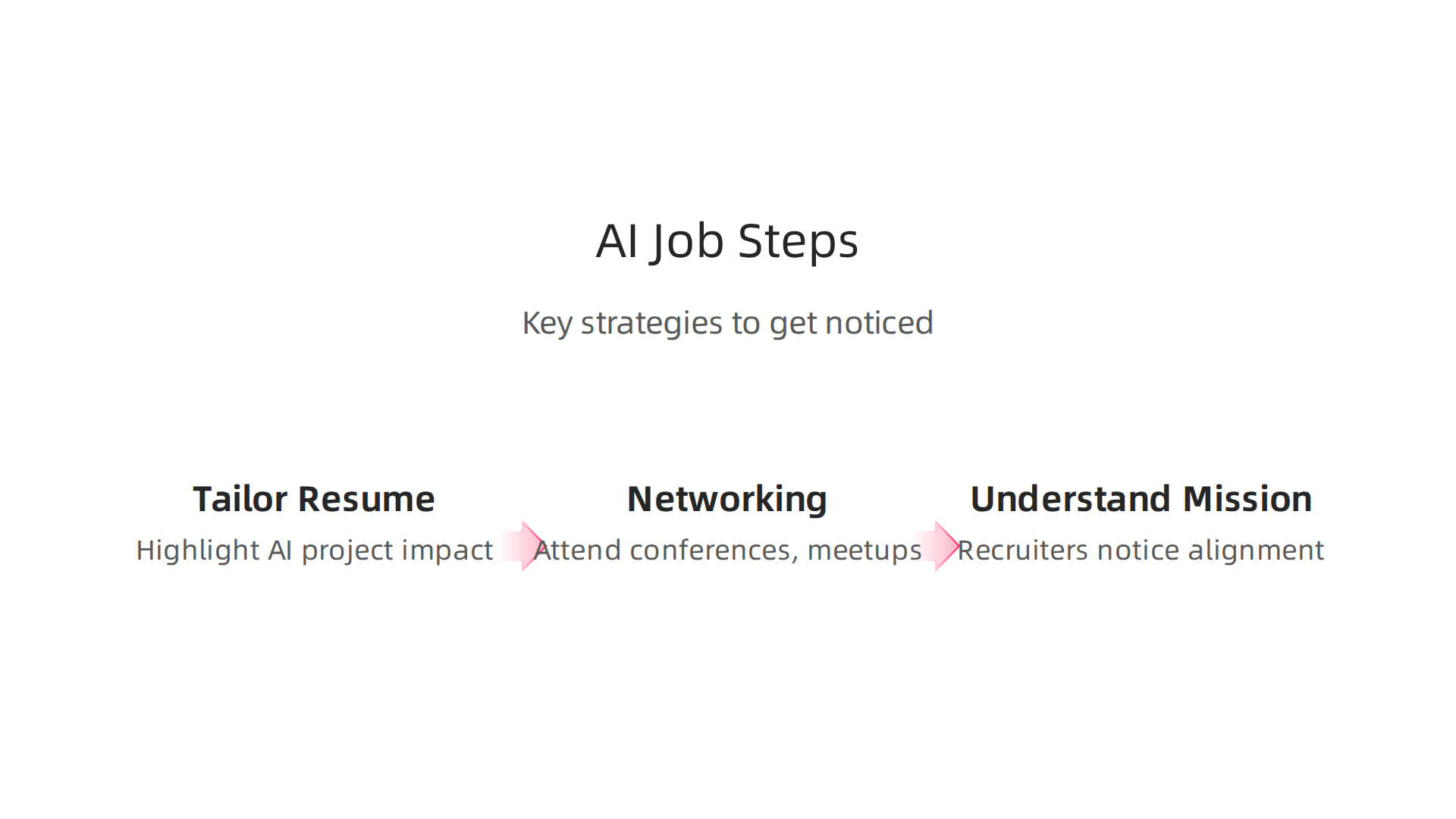
Start by tailoring your resume to highlight AI project experience and the real impact you made. Numbers and results matter more than just listing tools.
Networking is huge too. AI conferences, local meetups, and online communities are where you hear about openings before they go public. It is also where you build relationships that can lead to referrals.
Here is something many people miss. Understanding the company’s mission makes your application stand out. Shield AI’s mission is clear: protect service members and civilians with intelligent systems. When you show you genuinely care about that, recruiters notice. The company culture document on their Mission First, People Always page explains this in detail.
As you prep your job search, also look at remote jobs worldwide for AI professionals to widen your options.
Want to stay ahead of career moves in AI? The AI Newsletter Worth Reading delivers daily updates that help you spot trends and opportunities early.
Crafting Your Resume for AI Roles
Your resume needs to do more than list job duties. It should tell a story about the impact you made with AI. Start with numbers. Did you improve model accuracy by 15 percent? Reduce inference time by half? Shrink a dataset from 10 million records to 500,000 without losing performance? Put those numbers front and center.
Next, use the right keywords. Recruiters at top companies scan for terms like "transformer," "reinforcement learning," and "edge deployment." The AI skills employers want in 2026 include deep learning with PyTorch and TensorFlow, plus MLOps for getting models into production.
Finally, make your work visible. Link to your GitHub, a portfolio site, or published research. Real code and real results speak louder than any bullet point. If you are still building these skills, check out this AI training and career roadmap for a step-by-step plan.
Interview Preparation Strategies
Once your resume opens doors, the interview is where you prove you belong. For shield AI careers, expect three question types.

First, coding challenges. Companies test your data structures and algorithms skills in Python. Practice on LeetCode and HackerRank to build that muscle memory.
Second, ML system design. You might be asked to design a recommendation engine or a real-time fraud detection pipeline. Break down problems step by step. Explain your reasoning out loud.
Third, behavioral questions about mission alignment. AI companies deeply care about ethics and safety. Be ready to talk about when you caught bias in a dataset or chose a slower model for a safer result.
Research the company thoroughly before your interview. Study their tech stack and recent projects. The most in-demand AI skills of 2026 include Python, PyTorch, and MLOps. Show how you have used these tools in real work.
Stay current with daily changes in the field. The AI Newsletter Worth Reading keeps you informed on the latest developments.
And when you are ready to apply, browse remote AI jobs worldwide to find roles that match your skills.
Career Progression Paths in AI
The good news about shield AI careers? The growth ladder is wide open. Most people start as individual contributors and move into technical lead roles within a few years.
The typical path looks like this: junior AI engineer, mid-level engineer, senior AI engineer, then tech lead or architect. According to the How to Become an AI Technical Lead guide, exceptional engineers can fast-track through these levels in three to five years by showing leadership early.
But staying technical is only one option. Many professionals shift into product management, where they help decide what to build next. Others go into research or even start their own companies.
The key is to keep learning. Advanced certifications and focused training programs help you move faster. For a structured approach, the AI training and career roadmap lays out exactly which skills to build at each stage.
Here’s the thing: you do not need to wait for a promotion to act like a leader. Start mentoring a junior teammate. Volunteer for cross-team projects. Write up a design document for your next big feature. Those behaviors get noticed.
From Engineer to Technical Lead
So what does moving from engineer to tech lead actually look like day to day? The biggest shift is that you stop just solving problems and start guiding others to solve them too.
You still write code, but now you also define the architecture, make technology decisions, and coordinate work across teams. The successful transition from software engineer to AI lead depends on building three skill sets: technical depth, project leadership, and clear communication with both engineers and business stakeholders.
Mentorship matters more than you might expect. Take time to review pull requests thoroughly. Sit down with junior teammates and walk through design decisions.

These small acts build trust and show you are ready for more responsibility.
Shield AI and other top AI companies look for people who volunteer for the hardest cross-team projects. That visibility, combined with a track record of helping others grow, is what accelerates your promotion from engineer to tech lead.
To keep up with the fast pace of AI leadership, you also need to stay sharp on the broader landscape. Building strong AI literacy and leadership skills helps you cut through the noise and make better decisions for your team.
Staying current matters too. The AI Newsletter Worth Reading delivers clear daily AI updates that help leaders like you stay ahead of industry shifts.
Transitioning from Adjacent Fields
Not everyone working in AI today started with a computer science degree. Many top professionals came from software engineering, data analytics, physics, or other related fields. The good news is that you can pivot into AI without starting over completely.
Targeted upskilling is the key. Shorter bootcamps and online courses give you practical skills in machine learning, data pipelines, and model deployment. The AI Engineer Career Path guide shows how professionals from adjacent backgrounds advance through each level by building on what they already know.
Your existing domain expertise is a real advantage. A data analyst who understands business metrics brings valuable context to AI projects. A physicist who can think in systems will design better algorithms. These strengths make you stand out in shield ai careers.
If you want a clear starting point, follow this proven six-month plan to learn AI. It helps you move from where you are now into a role that actually uses your background.
Expert Insights and Resources
Staying current in AI is the backbone of strong shield ai careers. The field moves fast, and you need reliable sources of industry intelligence to keep up. Here are three essential resources.
First, curated newsletters cut through the noise. Publications like The Deep View deliver daily AI updates straight to your inbox. A good starting point is the list of best AI newsletters of 2026 that covers options for every role.
Second, online communities offer real peer support and job leads. Subreddits like r/MachineLearning and focused AI Slack groups are where professionals share opportunities and solve problems together.
Third, continuous learning keeps your skills sharp. Free and low-cost MOOCs from Coursera, edX, and providers like Google AI and NVIDIA DLI offer specialized certificates. For a structured approach, check out these research-backed AI training resources that help you build real skills.
If you want a single source for daily AI news that saves time, The AI Newsletter Worth Reading delivers clear updates every day.
Networking and Learning Platforms
Reading the best newsletters is a great start. But to really grow your shield ai career, you need to put yourself out there where the action happens.
Going to top conferences is one of the fastest ways to level up. Events like NeurIPS, ICML, and the Defense AI Summit are where the biggest names share what is coming next. You get to hear about new ai domains before they hit the mainstream. For a look at who is leading the charge, check our guide on spotting tomorrow’s market leaders.
Theory is important, but real world proof gets you hired. That is why Kaggle competitions and open source projects matter. They show employers you can actually build. It is a smart way to validate ai startup ideas and your own skills at the same time.
Do not forget about LinkedIn. Following and engaging with AI thought leaders there can open doors. A single thoughtful comment on a post from a researcher can lead to a conversation. And that conversation can lead to your next role.
Keeping Up with Industry Trends via Newsletters
AI moves fast. New models, funding rounds, and tools drop every single day. If you want to grow your shield ai career, you cannot wait for news to find you through social media. You need a steady feed of curated info.
That is where daily newsletters come in. A good one does the research for you. It picks the most important stories across different ai domains and puts them right in your inbox. According to a roundup of the best options, top picks like TLDR AI, The Batch, and The Rundown cover everything from frontier research to business applications. You can find the full list in this guide to the best AI newsletters for tech and business leaders.
The trick is to set aside 10 minutes each morning. Read one or two newsletters. That habit alone can keep you aware of where money is flowing and which skills are rising. For more on cutting through the noise, check out our guide on AI literacy in 2026.
Start simple. Pick one free newsletter that fits your focus area. A strong daily read gives you an edge without eating your whole day.
The AI Newsletter Worth Reading — get clear daily AI updates from The Deep View Newsletter.
Summary
This article maps the 2026 AI career landscape and gives practical steps to land roles at high-impact companies like Shield AI. It explains where demand is concentrated, salary and geographic trends, and why specialized skills—especially in computer vision, reinforcement learning, and edge AI—are commanding large wage premiums. The piece profiles Shield AI’s mission, products (like Hivemind and V-BAT), funding growth, and the types of technical and soft skills the company hires for. It walks through specific roles (software, ML, robotics), how to craft resumes and prepare for interviews, and pathways for mid-career pivots or leadership transitions. Readers will learn concrete actions: which skills to build, how to present real project impact, where to find remote openings, and which resources speed learning and networking. Follow-up links and training roadmaps help you move from studying to getting hired.