
AI Literacy 2026 How to Cut Through Noise and Lead with Confidence
Overview
Introduction
The AI funding world moves fast. Really fast. Every day brings new announcements, big rounds, and bold claims. It can feel like drinking from a fire hose.

Information overload is real in 2026. And it’s a serious problem for decision makers. How do you know what’s real and what’s just hype?
That’s why AI literacy matters now more than ever. It’s not a soft skill. It’s a core skill. The ability to understand, evaluate, and use AI tools sets you apart.
In early 2026, the US Department of Labor released an AI literacy framework to guide schools and workplaces. This recognition from the federal level shows how essential these skills have become.
But building real AI literacy takes more than reading headlines. You need a clear plan. This guide gives you a structured path forward. You’ll learn how to cut through information overload, spot real opportunities, and make better decisions in the AI space.
If you want daily AI updates without the fluff, subscribe to The AI Newsletter Worth Reading.
Defining AI Literacy for the Modern Enterprise
What does being AI literate actually mean in 2026? It is more than knowing how to use ChatGPT or asking an AI assistant to write an email.
AI literacy means understanding how AI works, knowing its limits, and using it responsibly. It covers three big areas: technical know-how, ethical thinking, and practical use.
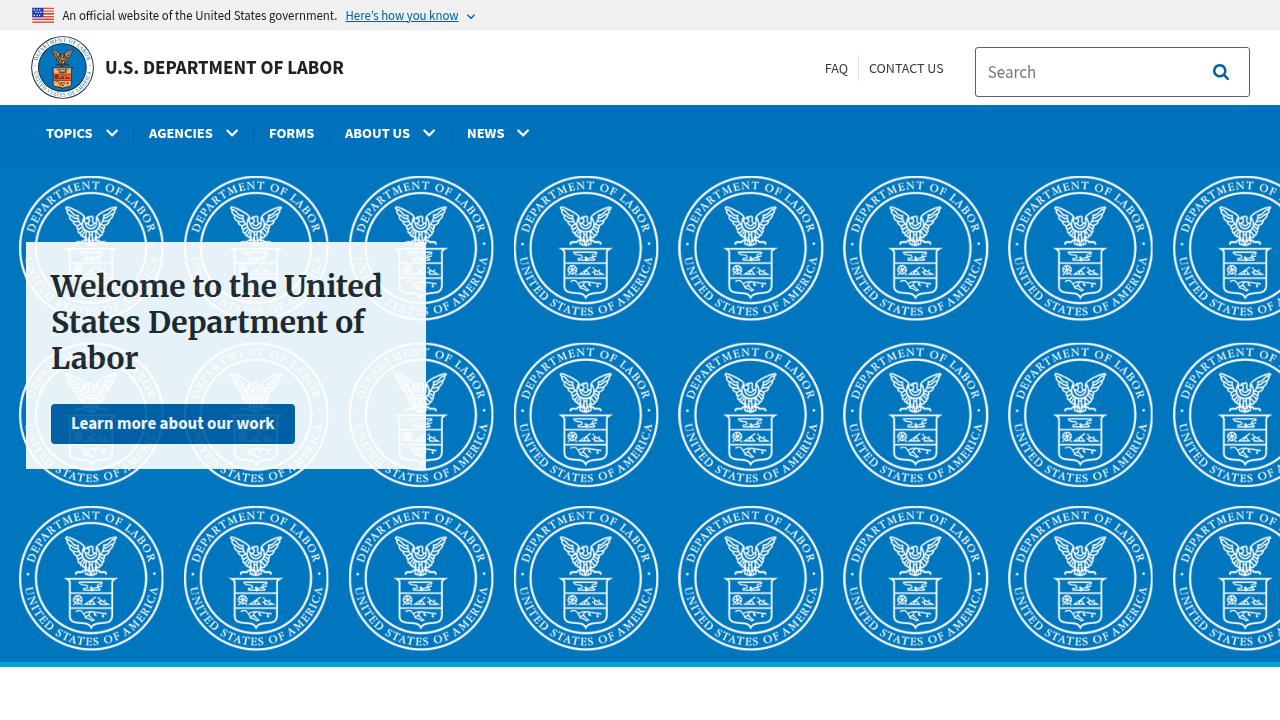
In early 2026, the AI literacy framework from the US Department of Labor laid out what this looks like in practice.
The framework defines five key content areas. First, you need to understand AI principles like how models are trained and why they can hallucinate.
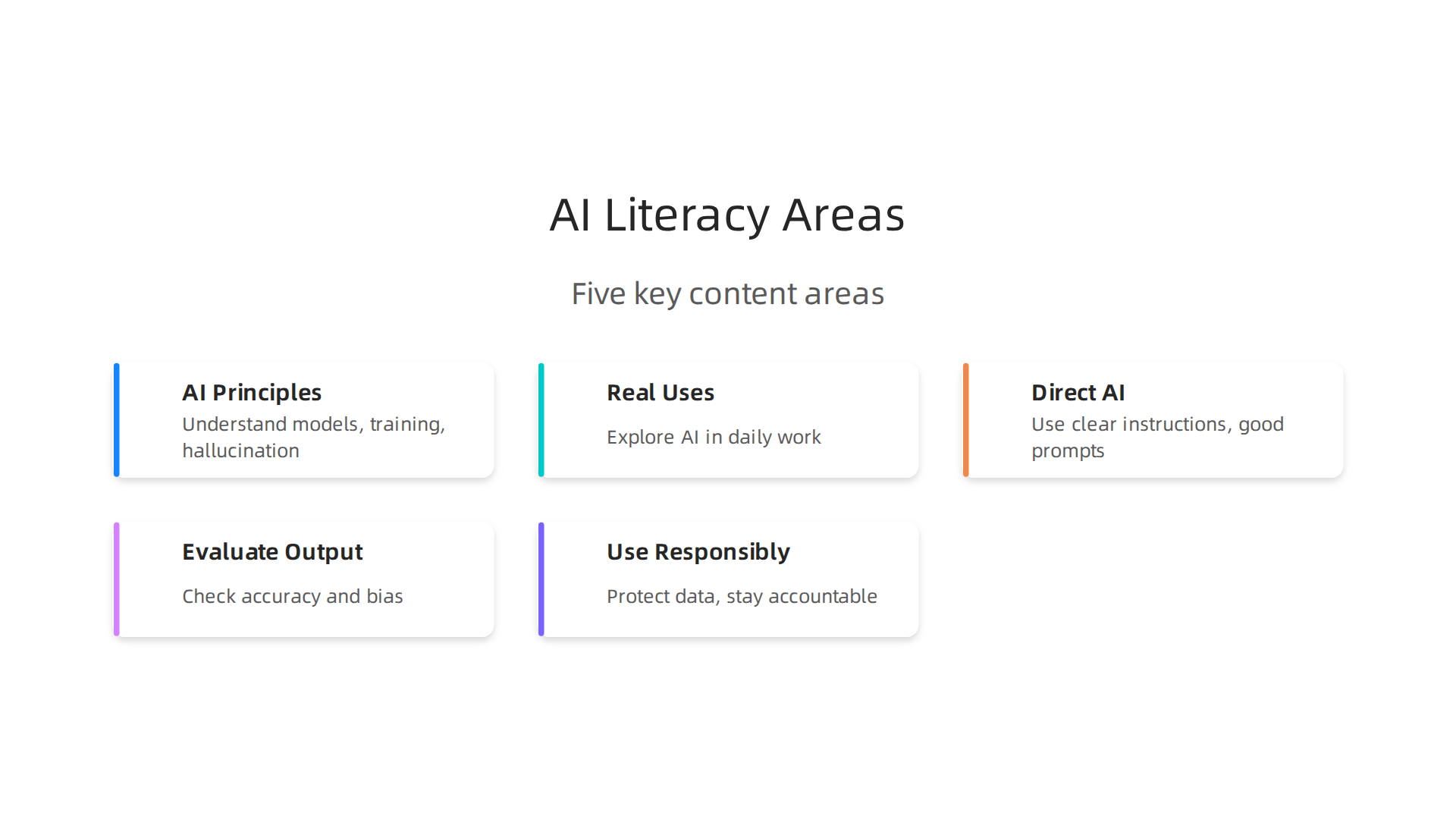
Second, you explore real uses for AI in daily work. Third, you learn to direct AI effectively using clear instructions and good prompts. Fourth, you evaluate what AI produces for accuracy and bias. Fifth, you use AI responsibly by protecting data and staying accountable.
This goes way beyond basic digital literacy. Knowing how to use a spreadsheet or navigate the web is not the same as understanding algorithms, data quality, and model behavior. AI literacy requires a deeper grasp of these concepts.
Organizations in 2026 are building AI literacy into specific job roles. A marketing team might need to understand how AI generates content and where it gets facts wrong. A finance team might need to evaluate AI predictions against real data. A product team might need to spot bias in AI recommendations.
The goal is not to turn everyone into a data scientist. The goal is to give people the skills they need to work smartly with AI tools.
If you are looking for a structured way to build these skills, check out this guide on how to study AI in 2026 with a proven roadmap.
It can help you move from confusion to confidence.
The Data Behind the AI Literacy Gap: Key Statistics for 2026
The numbers tell a sobering story in 2026. Most organizations say AI is a top priority, but the people using it are not ready. Here is what the data reveals about the real state of AI literacy.
Executives often overestimate their own understanding. According to recent 2026 AI literacy statistics, 47% of Europeans believe they are moderately skilled with AI, yet only 12% can actually complete hands-on tasks. The same pattern shows up globally. Just 9% of professionals can debug a simple AI model, and only 15% of college students have mastered prompt engineering. Confidence is high, but real skills are low.
This gap is expensive. A full 93% of organizations treat AI as a priority, but 51% lack the needed skills internally. The shortage is expected to create a $5.5 trillion risk to global markets by 2026. Companies that cannot close the AI literacy gap miss out on funding, waste resources, and fall behind faster adopters. Poor AI literacy also fuels shadow AI, where employees use unapproved AI tools without IT oversight. This creates security and compliance risks that most leaders do not see coming.
Demographic and regional gaps make things worse. In the US, 35% of adults report low AI literacy, meaning they cannot explain basic AI concepts. The divide between leadership and frontline staff remains wide. Only about one in three organizations has a mature upskilling program in place, even though 72% of leaders say AI literacy is important for daily work.
The lesson is clear. Without targeted training, the gap will only grow. Organizations that invest in real AI literacy today are the ones that will lead in the future of AI. For actionable insights on building those skills across your team, read our guide on how to build AI strong foundations for lasting success in 2026.
If you want to stay current as these trends evolve, consider subscribing to The AI Newsletter Worth Reading for clear daily updates on AI developments and workforce shifts.
Core Technical Pillars: From Algorithms to Data Infrastructure
Closing the AI literacy gap starts with understanding what powers the systems you rely on. You do not need to become a machine learning engineer, but you do need to know the three pillars that make AI work: how models learn, where data comes from, and how to judge whether a model is any good.
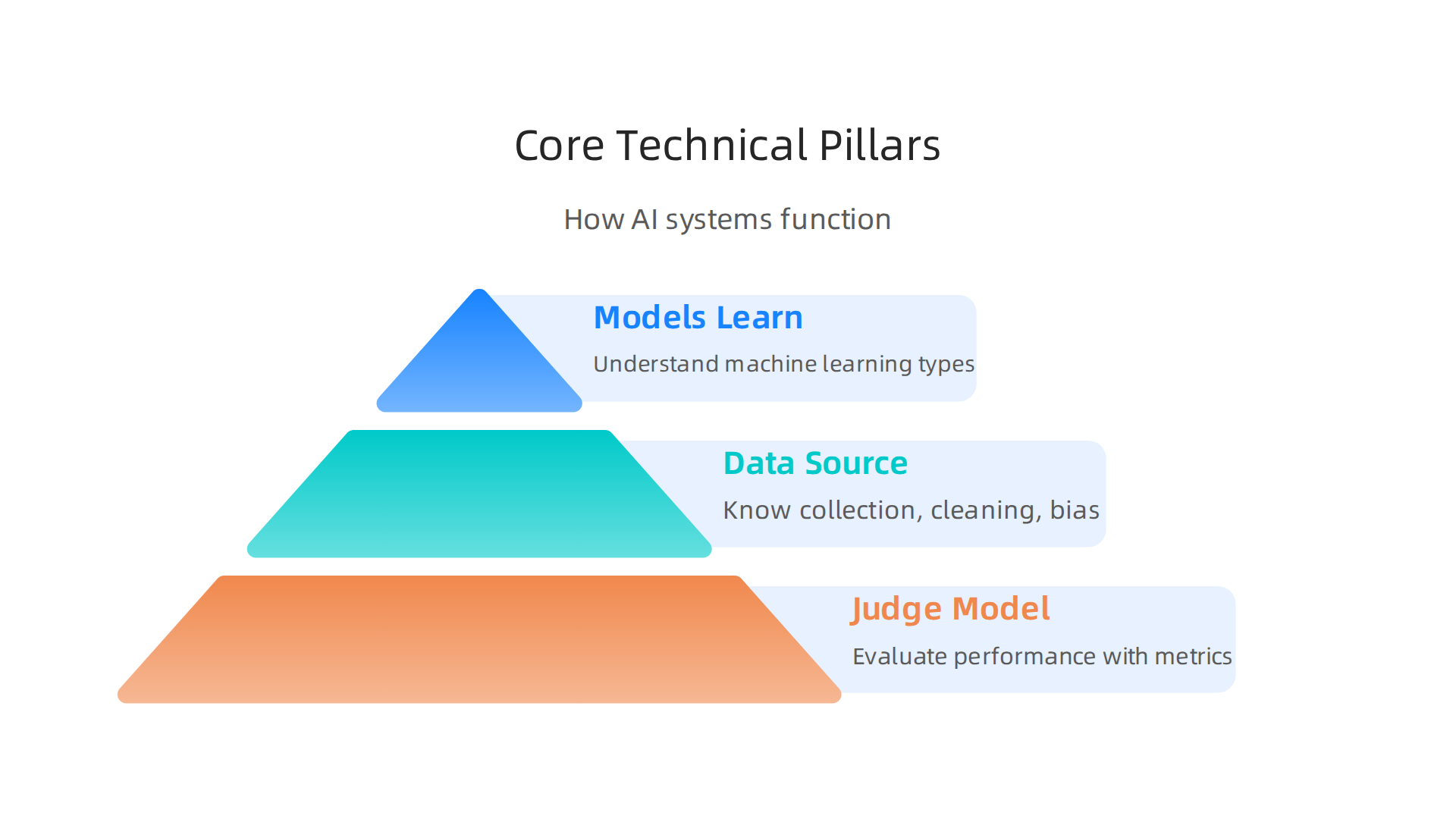
First, understand the main types of machine learning. Most business tools today use supervised learning, where models are trained on labeled data, like sorting pictures of dogs and cats after humans have labeled each one. Unsupervised learning finds patterns in unlabeled data, useful for spotting customer segments or anomalies. Reinforcement learning uses a reward system to train models through trial and error, which is how autonomous vehicles learn to drive. Knowing these distinctions helps you ask better questions about the products and tools your team adopts. For a deeper breakdown of these learning styles, check the explanation of machine learning from MIT Sloan.
Second, data literacy is non-negotiable. Every AI model is only as good as the data it trains on. That means you need to know how data is collected, how it is cleaned, and where bias can creep in. Garbage in, garbage out is still the biggest rule in 2026. If your organization lacks strong data foundations, you risk building decisions on shaky ground. Leaders who invest in solid data pipelines gain a real edge. The resource on AI for business leaders covers the complete data infrastructure stack, from collection to deployment.
Third, learn the basic metrics that separate hype from real performance. Precision, recall, and F1 score may sound technical, but they tell you whether a model is accurate, whether it misses important cases, and how it balances both. Without these measures, you cannot evaluate an AI investment properly. The future of AI depends on teams that can read these numbers and make smart choices.
To start building your own understanding of these core areas, consider following a structured learning path. Our guide on how to learn AI in 2026 with a proven six-month plan walks you through the exact steps from beginner to confident practitioner.
AI Literacy as a Competitive Advantage for Investors and Startups
Here is where AI literacy shifts from a nice-to-have skill to a serious strategic weapon. For investors and startup founders, understanding AI deeply is not optional anymore. It directly affects deal quality, fundraising success, and the ability to spot overhyped claims before they cost you money.
VC Firms That Invest in AI Literacy Train Their Partners to Win
Venture capital firms that build AI literacy among their partners consistently make better investment decisions.

Why? Because they can evaluate an AI startup’s technology stack, data quality, and model risks without relying entirely on outside experts. They also use AI tools to speed up due diligence. In fact, over 75% of VC deal reviews are now informed by AI and data analytics, according to a 2026 analysis of AI-powered due diligence in venture capital. Firms that train their teams on these tools gain faster, smarter insights and a real edge over competitors who skip the learning.
Startups with High AI Literacy Communicate Better
Founders who understand AI deeply can explain their product’s value, technical edge, and risks clearly to investors. That clarity builds trust and leads to better funding outcomes. Investors report higher success rates with startups that demonstrate strong technical knowledge during pitches, as shown in a guide on AI startup due diligence documents and metrics. When both sides share a baseline of AI literacy, conversations get straight to the point.
Spotting Hype Is a Core Literacy Skill
The biggest advantage of AI literacy might be knowing when to say no. Many generative AI claims in 2026 are overblown. Founders and investors who can distinguish genuine breakthroughs from marketing fluff avoid wasting capital on vaporware. If you want to build that skill, start by reading about the top AI companies to watch in 2026 and learn what separates real leaders from hype.
Your Next Step: Build Literacy Daily
AI literacy is not a one-time workshop. It requires constant learning as the field evolves fast. One simple way to stay sharp is to get clear, daily AI updates in your inbox. That is exactly why we read The Deep View Newsletter. It cuts through the noise and delivers the key trends you need to make smarter decisions. Subscribe to The AI Newsletter Worth Reading and start your daily literacy habit today.
Building an Organizational AI Literacy Framework
So you know AI literacy gives your company a real edge. The next question is how to build it across your team in a way that sticks.
The smartest organizations use a tiered framework. They map literacy levels to specific roles. You do not teach a data scientist the same things you teach a sales manager. A three-tier model works well here.
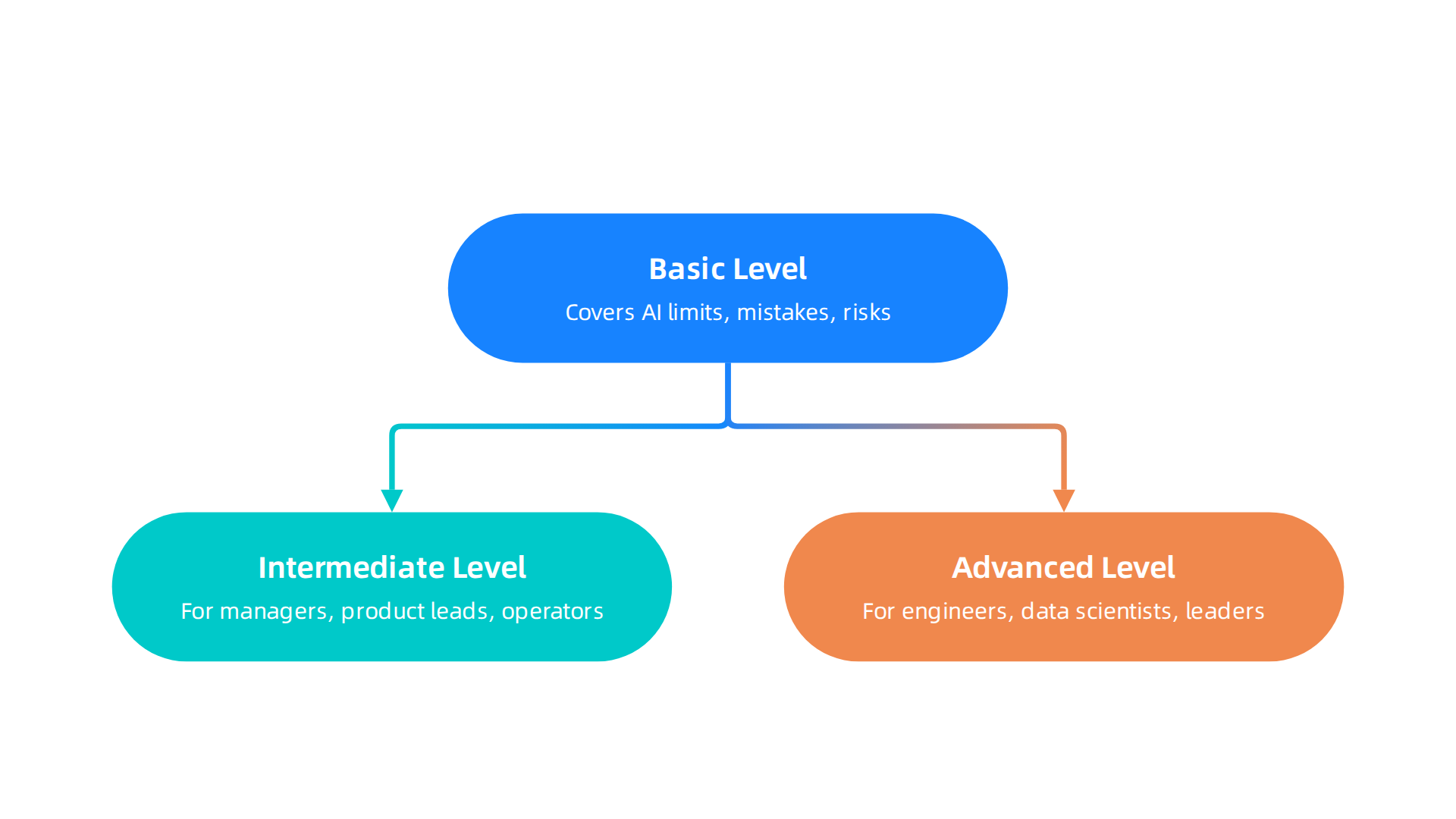
Basic level is for everyone in the company. It covers what AI can and cannot do, how models make mistakes, and basic ethical risks. Every employee should know why shadow AI is dangerous and how to spot it. This foundation protects your company from hidden risks.
Intermediate level is for managers, product leads, and operators who work with AI tools daily. They learn how to evaluate model outputs, read documentation, and test for bias. These skills let them make better decisions without needing to code.
Advanced level is for engineers, data scientists, and technical leaders. They dive into model architecture, training pipelines, and deployment risks. This group builds the company’s internal AI muscle.
To make the framework work, you need hands-on practice. Classroom slides are not enough. Give your teams sandbox environments where they can test models safely.

Build internal knowledge bases where people share what they learn. And set up continuous evaluation and certification so skills stay current as the field changes fast.
One common mistake is treating AI literacy as a one-time training event. It is not. The technology evolves constantly. Your framework needs regular updates to stay useful.
If you want a structured path to learn AI from scratch, check out this practical guide on how to learn AI in 2026 with a proven six-month plan. It gives you a clear roadmap you can adapt for your whole team.
Organizations that invest in this kind of layered approach do not just keep up. They lead. And they avoid the costly mistakes that come from not understanding what their AI is actually doing.
But what happens to teams that skip this kind of learning? The risks are serious and costly. When people lack basic AI literacy, they make decisions that can hurt their company in three big ways.
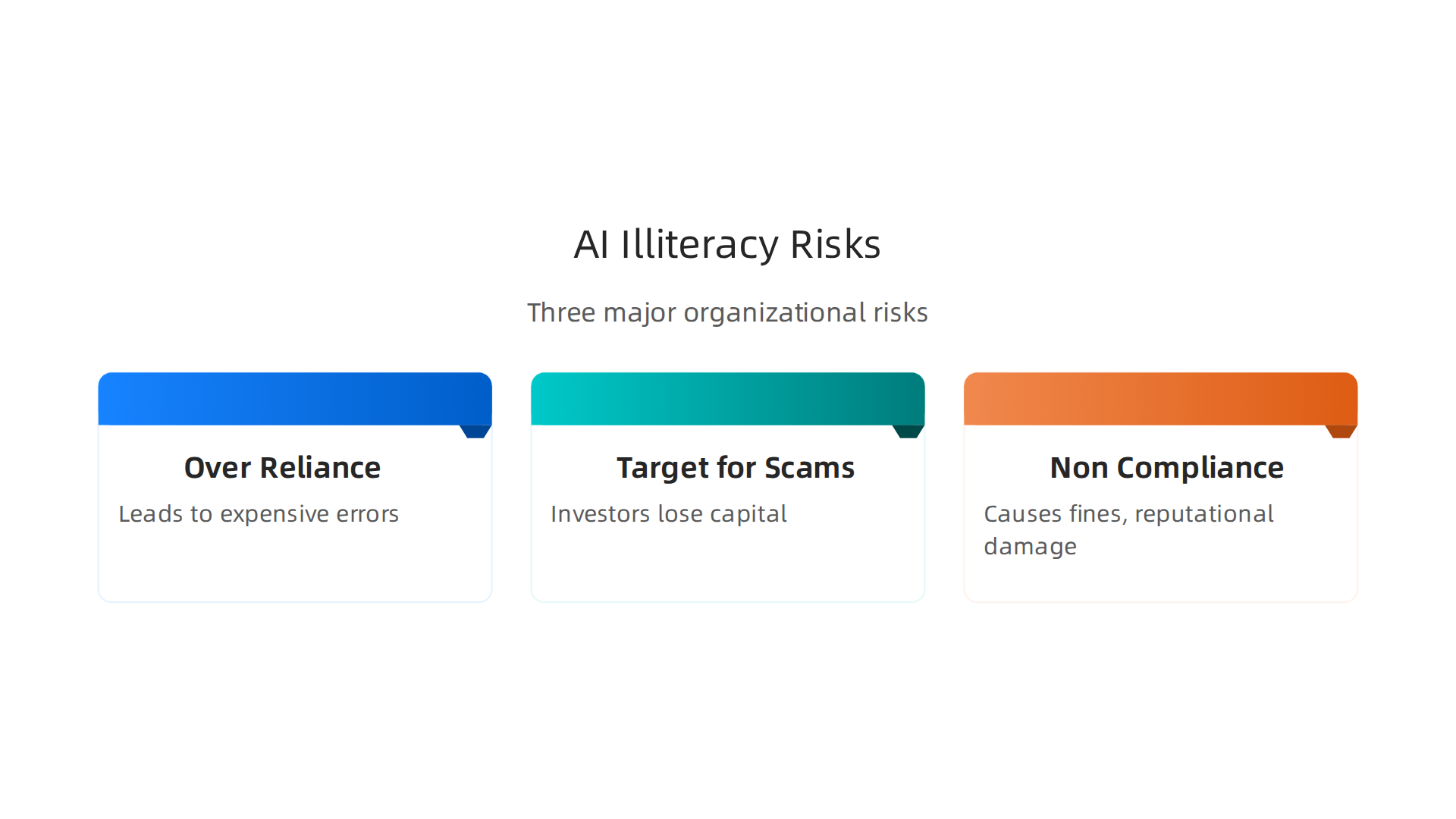
First, over-reliance on black-box algorithms leads to expensive errors. Teams trust AI outputs without questioning them. They do not know when a model is guessing, when it is biased, or when it is simply wrong. This gap between feeling comfortable with AI and actually understanding it is called the AI literacy gap. It causes people to miss critical failures until damage is done.
Second, investors without AI literacy are easy targets for scams and vaporware. A startup promises amazing results from a secret AI model. Without knowing how to ask the right questions, investors write checks for products that do not exist. The 2026 data shows that 93% of organizations see AI as a priority, yet 51% lack the skills to evaluate it properly. That mismatch creates a perfect playground for bad actors. If you want to avoid falling for hype, start by asking the right foundational questions. Our guide on free AI questions that build foundational knowledge gives you a simple framework to cut through the noise.
Third, regulatory non-compliance hits companies that do not understand AI limits. Laws like the EU AI Act and bias regulations demand transparency. Leaders who cannot explain what their AI does break those rules without meaning to. Fines and reputational damage follow.
Ignoring AI literacy does not just slow you down. It exposes you to real financial and legal threats. The smartest move is to build understanding across your team before these risks become your reality. One easy way to stay ahead is to subscribe to The AI Newsletter Worth Reading. It delivers clear daily updates so you never miss the key shifts in AI regulation and tools that affect your decisions.
Expert Perspectives: The Future of AI Literacy and Market Trends
As the risks of ignoring AI literacy grow clearer, top researchers and venture capitalists are already looking ahead. Their message: AI literacy is not a nice-to-have anymore. It is becoming a board-level priority.
AI literacy as a board-level KPI by 2027
Leading voices predict that within the next year, boards of directors will treat AI literacy as a key performance indicator. Just like financial literacy or cyber security awareness, understanding AI will be a baseline expectation for executives. This shift is driven by the reality that AI is now embedded in every part of business.
Venture capital firms already show us the way. More than half of VC firms now use AI in their deal workflows. The trend is clear in the data on AI adoption in VC. Boards that cannot assess their own AI risks and opportunities will soon be seen as unfit to govern.
Emerging trends: generative AI, interpretability, and agents
The next wave of AI literacy must cover more than basic chatbots. Experts highlight three fast-moving areas. First, generative AI tools that create text, images, and code. Second, interpretability: the ability to understand why a model gave a certain output. Third, agentic systems: AI that acts on its own to complete tasks. These raise new questions about trust, safety, and control that every decision-maker needs to grasp.
Interdisciplinary literacy is the new standard
Gone are the days when AI was only for engineers. The future demands a blend of technical know-how, ethical thinking, and business strategy. Leaders who combine these three lenses will spot opportunities others miss and avoid pitfalls like shadow AI or biased models.
If you want to get ahead of these trends, the smartest move is to start building your own AI skills now. A proven six month plan to learn AI in 2026 can help you go from beginner to confident evaluator.
The experts agree: the companies that invest in AI literacy today will be the ones leading their markets tomorrow. The question is whether you will be ready when the board asks for your AI score.
Actionable Steps to Boost Your AI Literacy Today
The good news is that getting ready does not require a huge time commitment. You can build strong AI literacy with just a few focused habits. Here are three practical steps you can start using right now.
1. Start with a Curated News Source
The fastest way to build daily awareness is to read one trusted newsletter instead of chasing every headline. Many busy professionals use The Deep View to get clear, unbiased AI updates in just a few minutes each day. It cuts through the noise so you learn what matters without feeling overwhelmed.
The AI Newsletter Worth Reading gives you a simple daily habit that keeps you informed.
2. Take a Structured Online Course
Reading news is great for awareness, but deep understanding comes from structured learning. You do not need a four-year degree. Short courses focused on AI for business are enough to build real competence.

Many top platforms offer free options. DataCamp’s best free AI courses in 2026 include a highly rated Introduction to AI for Work that covers exactly what decision-makers need. Courses like this teach you how AI creates value, how to evaluate outputs, and how to spot risks like bias or shadow AI.
3. Join Peer Communities and Attend Demo Days
Theory alone is not enough. You need to see real AI applications and talk to people who use them every day. Join online communities where founders, operators, and investors discuss AI tools and trends. Attend demo days or local meetups where startups show their latest products.
Seeing how others apply AI in their workflows helps you imagine what is possible in your own role. You will also learn what works and what does not from people who have tried it. To go deeper, start with a resource on how to build AI strong foundations for lasting success that walks you through the core concepts step by step.
These three steps are simple but powerful. Start with the newsletter. Add a course. Join a community. Within a few months, you will be the person in the room who understands the AI conversation.
Summary
This article explains why AI literacy is an essential, practical skill for organizations and professionals in 2026 and offers a step‑by‑step approach to close the gap between hype and capability. It defines modern AI literacy as a blend of technical understanding, ethical judgment, and applied skills, then presents the data showing widespread overconfidence and low hands‑on ability across roles. The guide breaks down the three core technical pillars—how models learn, where data comes from, and how to evaluate performance—and explains how investors, founders, and managers benefit from stronger literacy. It recommends a three‑tier training framework mapped to job roles, highlights common failures from weak literacy, and points to expert trends that will make AI understanding a board‑level KPI. Finally, it gives practical, low‑friction steps (curated news, short courses, peer demos) you can start today to build durable AI skills across your team.