
AI Powered Software Development in 2026 A Data Driven Guide
Overview
Introduction
Imagine trying to keep up with every new AI coding tool that launched this week. Feels impossible, right? That is because it nearly is. In 2026, ai powered software development has gone from experimental to mainstream faster than almost anyone predicted. According to the Stanford HAI 2026 AI Index Report, generative AI reached 53% of consumers in record time. And in the developer world, the numbers are even wilder: 84% of developers now use or plan to use AI coding tools, according to a Stack Overflow survey of over 49,000 developers. The same survey found that only 29% fully trust the output yet, which tells you we are still in the early days.
The market itself is ballooning. The global generative AI in the software development lifecycle hit $845 million in 2026 and is projected to reach $9.5 billion by 2035, per Fortune Business Insights. And teams are seeing real results: 55% faster task completion, 30% lower time to market, and up to 80% lower development costs for some projects, as reported by GitHub and Accenture.
Here is the thing. With so many tool announcements, funding rounds, and hype cycles happening every week, it is easy to feel overwhelmed. You might wonder which tools actually work, which trends matter, and where to focus your energy.

That is exactly why we wrote this article. We cut through the noise and give you a structured, evidence-based look at the ai powered software development landscape. You will learn about the main tool categories, market dynamics, and how to evaluate what is worth your time. And if you want to stay current on AI startup funding and tool news without the clutter, consider subscribing to The Deep View Newsletter for clear daily updates. For now, let us dive into what truly matters in AI development in 2026.
The Rise of AI-Driven Software Development
Ten years ago, if you wrote bad code, your linter might underline it in red. But that was it. You still had to figure out the fix yourself. Fast forward to 2026, and the game has flipped completely. Today, ai powered software development means you can type a comment describing what you want, and an AI writes the function for you. It feels like magic, but it is really the result of a rapid evolution from simple rule checkers to massive language models.
The journey started with basic syntax highlighters and static analysis tools. Then came autocomplete snippets. But the real shift happened when transformer models like GPT entered the scene. Now, tools like GitHub Copilot, Cursor, and Codeium use large language models such as GPT-4o and Claude 3.5 to do more than just suggest the next line. They generate entire functions, explain complex code in plain English, and even suggest refactors. Open source models have also stepped up, giving teams more control and lower costs.
The numbers back up the hype. A 2026 survey by The Pragmatic Engineer found that 95% of respondents reported using AI tools at least weekly, and 75% said they use AI for half or more of their work. Earlier this year, Digital Applied surveyed 2,847 developers and found that adoption has become standard practice across agencies and in-house teams alike. But here is the twist: only 29% of developers fully trust AI output, according to a Stack Overflow survey of over 49,000 developers. So we are using it a lot, but still checking everything.
What does that mean for productivity? Early studies show a 20% to 50% reduction in time for repetitive tasks. But the gains depend on context. Experienced developers who know how to craft good prompts see the biggest wins. Junior devs sometimes get tripped up by bad suggestions. The real value comes when you treat AI as a smart assistant, not a replacement.

If you want to keep up with which AI tools are getting funded and which are actually delivering results, staying informed is key. That is why we recommend subscribing to The Deep View Newsletter. It gives you a clear, daily snapshot of the AI landscape without the noise.
Key Categories of AI Tools and Platforms for Developers
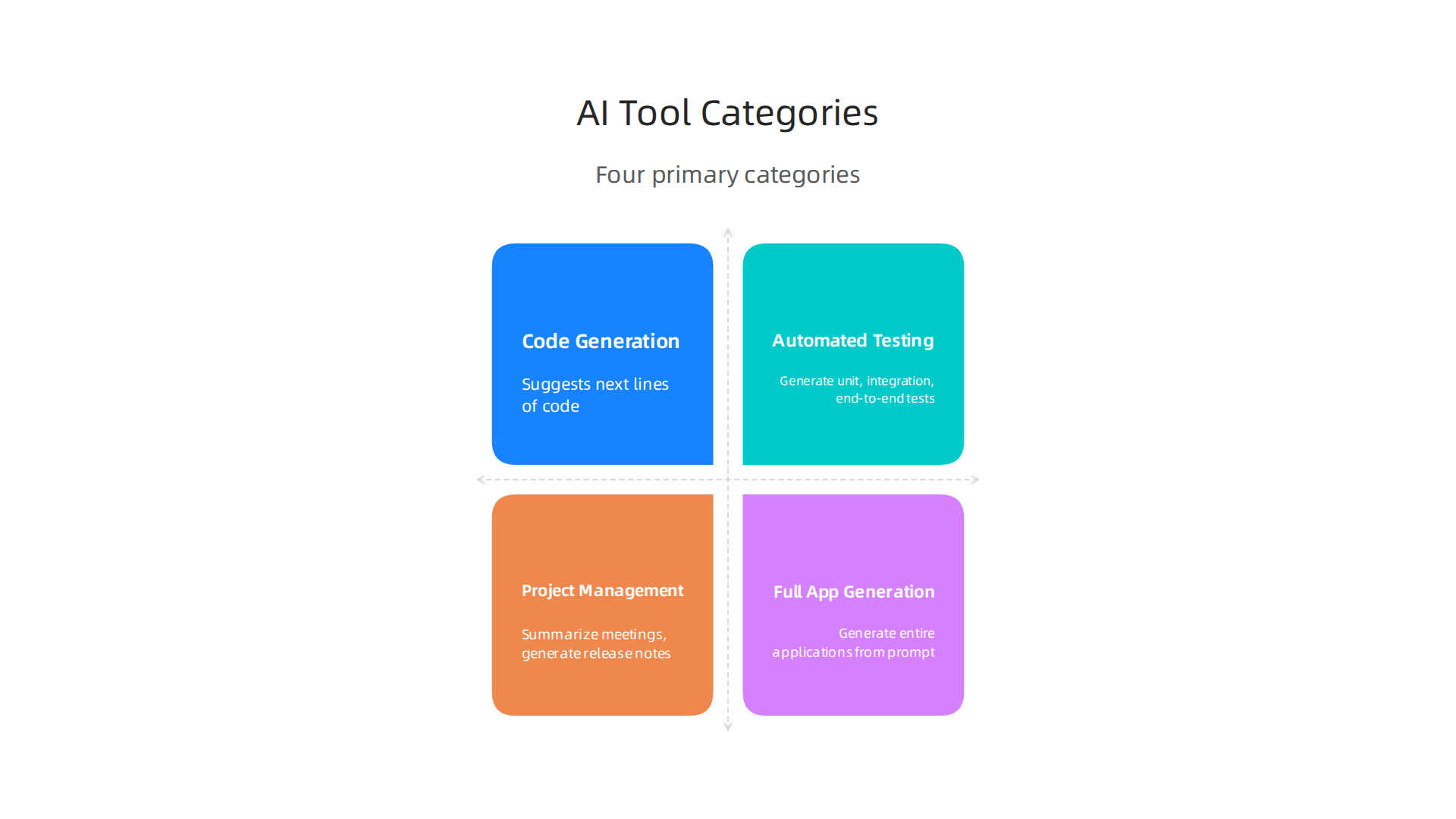
So where do you even start? The number of AI developer tools has exploded in 2026. It can feel overwhelming. To make it easier, it helps to group them into a few main categories. Most tools fall into one of these four buckets. Once you understand the categories, you can pick the right tool for the job.
But first, a quick look at how well these AI models actually perform. According to the latest SWE-bench Verified leaderboard from Vals AI, top models like GPT 5.5 and Claude Opus 4.7 are now scoring over 82% on real-world software engineering tasks.
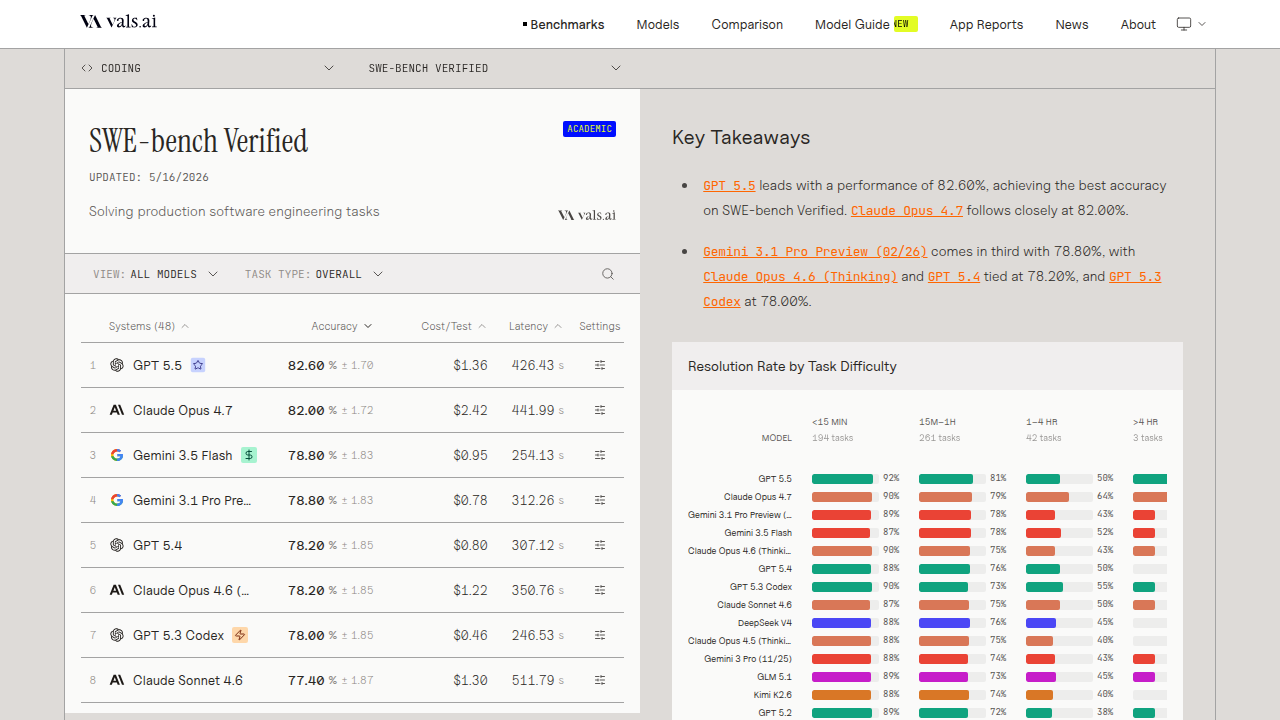
That is a huge jump from just a year ago. It means the code these tools generate is more reliable than ever. Let’s break down the categories.
Code Generation and Completions
This is the most popular category. Tools like GitHub Copilot, Amazon CodeWhisperer, and Tabnine act like a co-pilot for your keyboard. You start typing a function name or a comment, and the AI suggests the next lines of code. These tools have become standard in most IDEs. They help you write boilerplate faster, learn new APIs on the fly, and reduce keystrokes by a huge margin. The best AI for coding in 2026 is judged by how well it understands context. Many developers report a 20% to 50% boost in speed for routine coding tasks.
Automated Testing and Bug Detection
Writing tests is important. But let’s be honest, it can be tedious. That is where tools like Diffblue Cover, Testim, and Mabl come in. They use AI to automatically generate unit tests, integration tests, and even end-to-end tests. Instead of spending hours writing test cases, you describe what you want to test, and the AI creates them for you. A 2026 overview by Modall found that 85% of developers now use AI coding tools. This leads to better test coverage and fewer bugs slipping into production. It is a game changer for teams that want to move fast without breaking things.
Project Management and Documentation
Writing documentation and managing tickets is another area where AI shines. Tools like Notion AI, Linear, and Stepsize help teams summarize meetings, generate release notes, and write technical documentation. Have you ever dreaded writing a README file? Notion AI can draft it for you based on your code structure. Linear uses AI to prioritize tasks and suggest sprint goals. Stepsize helps you track technical debt automatically. These tools save time and keep your project organized. They make the whole development process smoother, not just the coding part.
Full Application Generation Platforms
Here is where things get really interesting. Platforms like Replit Agent, Vercel AI, and Bolt.new let you generate entire applications from a single prompt. You type "build me a task management app with a React frontend and a Node backend," and the AI scaffolds the whole thing. It handles the project structure, dependencies, and basic functionality. This is perfect for proving out ideas quickly or building internal tools. The AI dev tool power rankings from LogRocket show these platforms are the fastest growing category in 2026. Just remember, you still need a human to review the code before going to production.
The best tool for you depends on where your team feels the most friction. Are you spending too much time on boilerplate code? Try a code generation tool. Are bugs piling up? Look into automated testing platforms. The key is to match the tool to the problem.
The ai powered software development world moves fast. New tools and funding rounds happen every week. Keeping up with the latest investor trends and startup successes can help you choose the right stack. That is why staying informed matters.
Want to stay ahead? Subscribe Free to The Deep View Newsletter. It delivers daily AI insights straight to your inbox without the hype. Just the facts you need to make smarter decisions in ai powered software development.
Market Dynamics: Funding, Valuation, and Competitive Landscape
The categories we just covered don’t exist in a vacuum. Every AI tool you use is backed by massive investments, strategic bets, and heated competition. In 2026, ai powered software development is not just a technical shift. It is a financial powerhouse.
Money is pouring in at a record pace. AI startups raised $42.97 billion in 2024, and according to GrowthList, 2025 is on track to top that.
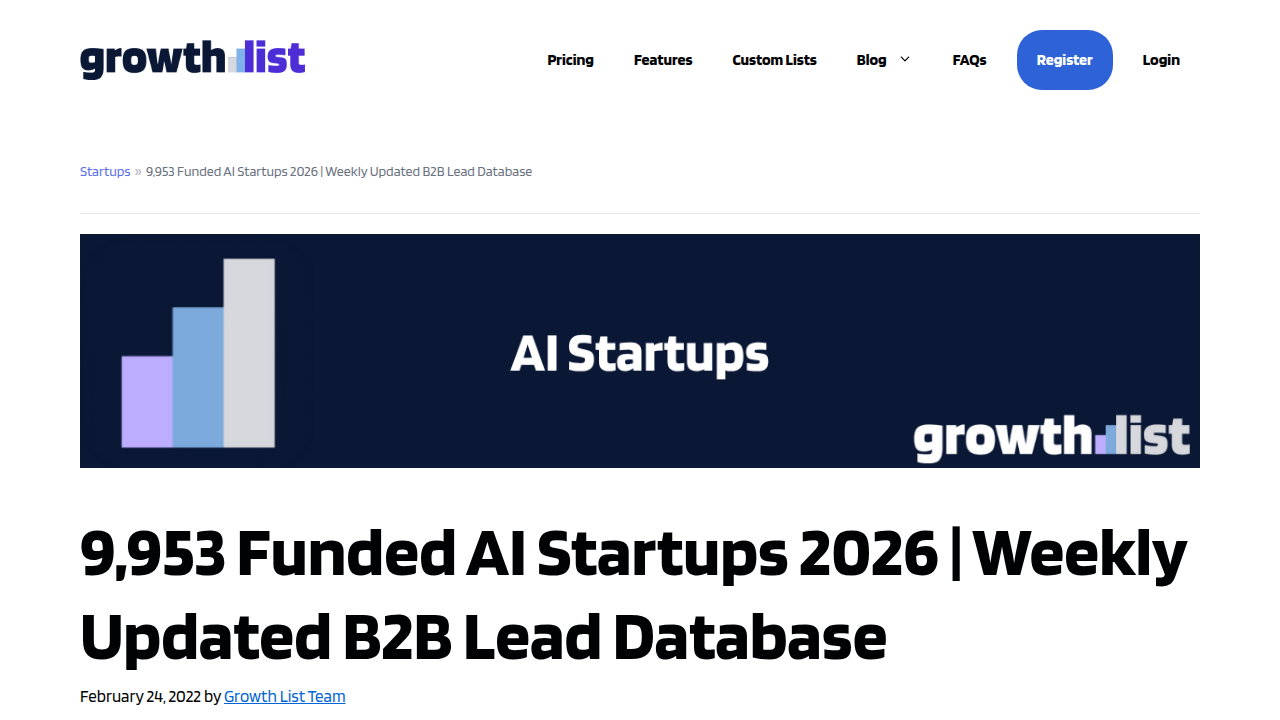
In fact, AI captured nearly 50% of all global startup funding in 2025, with $202.3 billion invested across the sector, as reported by Fundraise Insider. The first quarter of 2026 alone saw four mega-deals. Elon Musk’s xAI opened the year with a $20 billion Series E, noted by Crescendo AI. Other big names like Magic AI, Poolside, and Cognition also closed nine-figure rounds. These companies are building the next generation of coding agents, and VCs are racing to back them.
But here’s the thing. Investors are no longer betting on general-purpose coding assistants only. There is a clear shift toward vertical-specific tools. Instead of a one-size-fits-all copilot, startups are creating ai powered solutions tailored for healthcare, finance, and legal workflows. According to the Menlo Ventures report, enterprise spending on generative AI hit $37 billion in 2025, up from $11.5 billion the year before. Much of that growth came from specialized use cases. For example, an AI tool that understands medical coding rules is more valuable to a hospital than a generic assistant. This trend means developers who build for specific industries will find the most opportunities.
The competitive landscape is also shaped by the open-source vs proprietary battle. Models like Mistral, Code Llama, and community-driven alternatives are challenging incumbents like GPT and Claude. The AI dev tool power rankings from LogRocket show that open-source models are gaining ground in terms of performance and adoption. Y Combinator alone has funded over 1,470 AI startups as of 2026, many of them open-source first. This competition drives down costs and gives developers more choice. You no longer need to lock into one vendor.
For an ai overview of the market, one clear pattern emerges: the winners will be those who combine strong funding with a clear vertical focus or a compelling open-source strategy. The money is moving fast, but so are the players. Staying on top of who is getting funded and why can help you decide which tools to bet your career on.
Want to keep track of the biggest funding rounds and market shifts without drowning in noise? Subscribe Free to The Deep View Newsletter. It delivers daily AI intelligence straight to your inbox, cutting through the hype so you can focus on what matters most in ai powered software development.
Evaluating AI Development Platforms: Criteria and Comparisons
So you know the market is hot and the money is flowing. But how do you actually choose the right platform for ai powered software development in 2026? With so many options, picking the wrong tool can waste time and money. Let me walk you through the key criteria.
What to Look For in an AI Development Platform
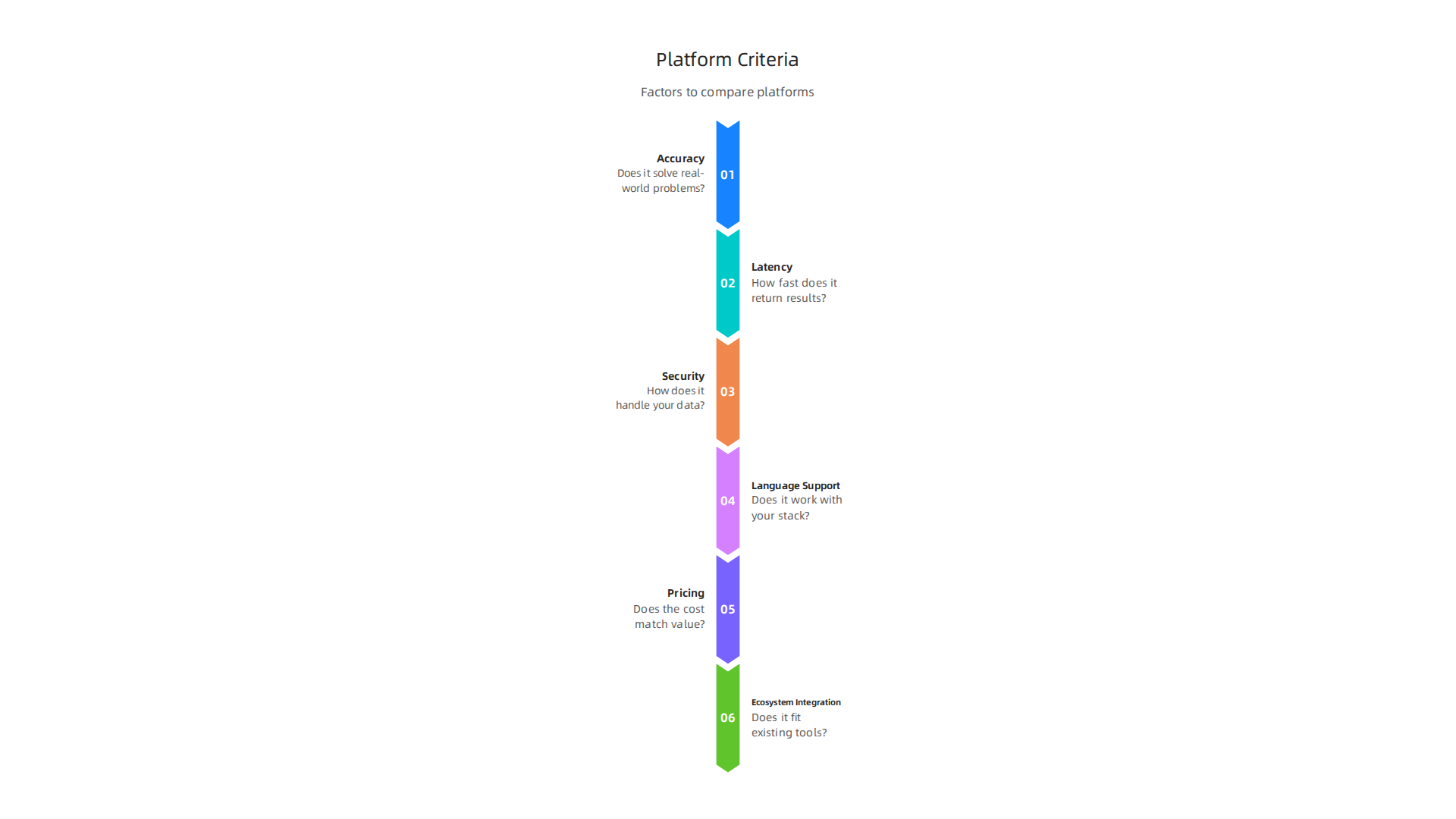
Here are the factors that matter most when comparing platforms:
| Criteria | What to Ask | Why It Matters |
|---|---|---|
| Accuracy | Does it solve real-world coding problems? | Benchmark scores like SWE-bench Verified show real performance. As of May 2026, top models like GPT 5.5 score 82.60% and Claude Opus 4.7 scores 82.00% on this test, according to Vals AI. |
| Latency | How fast does it return results? | Slow responses kill your flow. If you wait 10 seconds for each suggestion, you lose focus. |
| Security | How does it handle your data? | Studies show AI code introduces security issues in 45% of tasks, as the Cloud Security Alliance reports. You need tools that follow frameworks like the NIST AI Risk Management Framework. |
|
| Language Support | Does it work with your stack? | Not all tools handle Python, JavaScript, Rust, or Go equally well. Check the supported languages first. |
| Pricing | Does the cost match the value? | Some charge per seat, others per token. Do the math for your team size. |
| Ecosystem Integration | Does it fit your existing tools? | The best tools plug into your IDE, CI/CD pipeline, and project management system. The AI dev tool power rankings from LogRocket show that integration strength often separates the top tools from the rest. |
Cloud-Hosted vs Self-Hosted
This choice matters a lot for enterprise teams with compliance needs.
Cloud-hosted platforms are easy to set up. You sign up, paste your code, and go. But your code hits someone else’s servers. For sensitive projects, that is a dealbreaker.
Self-hosted solutions keep everything inside your own infrastructure. You control the data, the security, and the uptime. According to SentinelOne, enterprises handling regulated data increasingly prefer self-hosted options to meet compliance requirements.
The tradeoff is simple. Cloud is faster to start. Self-hosted gives you control. Pick based on what your data requires.
How to Run Your Own Pilot
Don’t trust marketing claims. Test the tools yourself.
Start with a small, representative chunk of your actual codebase. Give the ai powered tool a real task your team faced last month. See if it solves it correctly and securely.
Measure three things:
- Time saved compared to manual coding
- Number of bugs introduced
- Developer satisfaction scores
A 2026 report from The Pragmatic Engineer found that 56% of developers now do more than 70% of their work with AI tools. That is a huge shift. But your mileage will vary by tool.
Run the pilot for two weeks. Compare at least two platforms side by side. Only then can you see which one actually saves time without sacrificing quality.
For an ai overview of which tools perform best today, check the latest SWE-bench rankings at swebench.com. The leaderboard updates often, so bookmark it.
Once you identify the right platform for your needs, the next step is staying current with the fast-moving AI startup landscape. Subscribe Free to The Deep View Newsletter for daily AI intelligence that helps you track the tools, the funding, and the players shaping ai powered software development in 2026.
Overcoming Adoption Hurdles: Security, Trust, and Integration
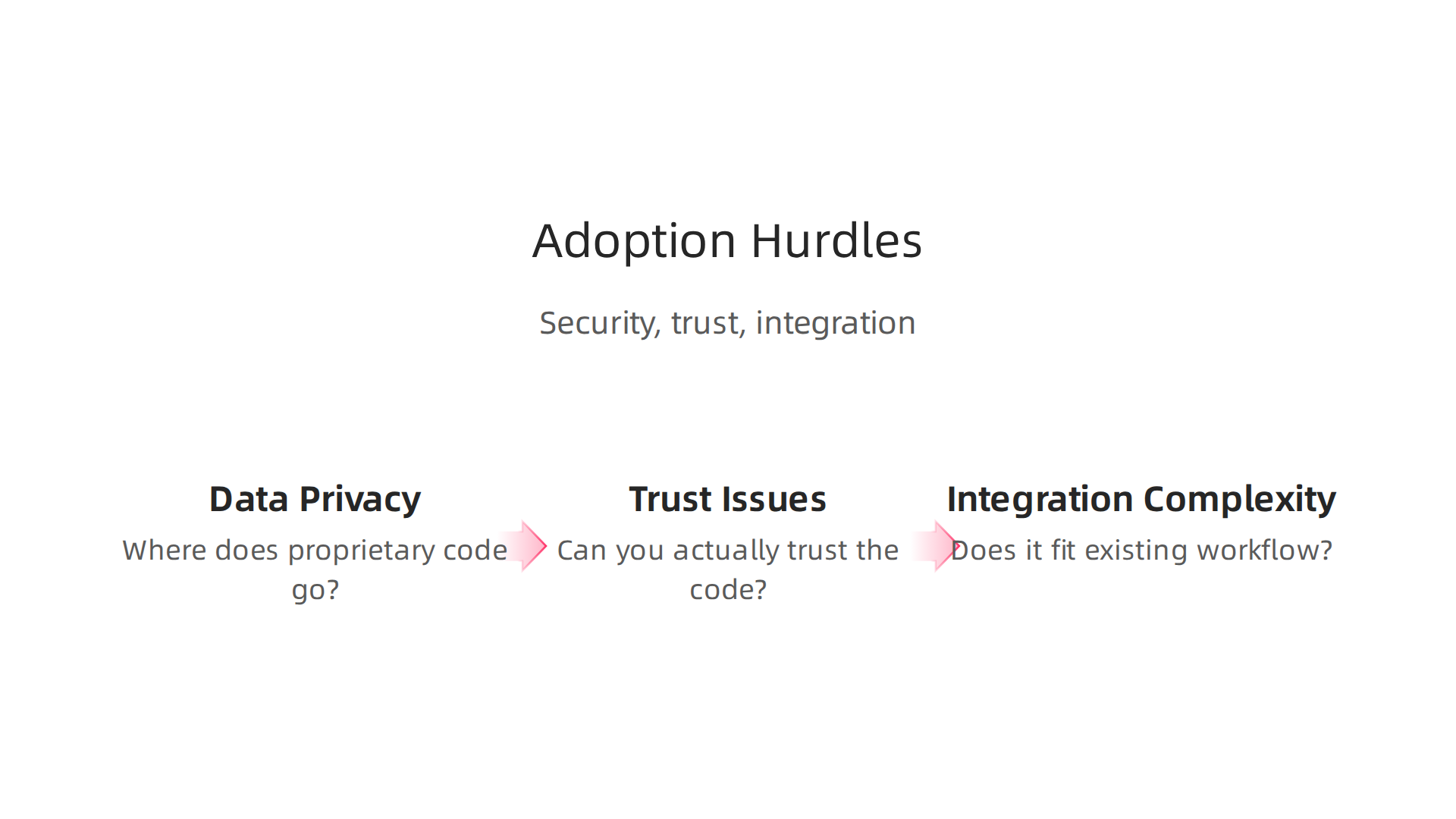
So you have picked a platform. You ran the pilot. The numbers looked good. But now comes the real test. Rolling out ai powered software development across an entire team brings up serious blockers that no benchmark score can predict. Let me walk you through the three biggest adoption hurdles and how to get past them.
Hurdle 1: Data Privacy and IP Ownership
The first wall teams hit is data privacy. When you paste proprietary code into a cloud-based AI tool, where does that code actually go? Does the provider use it to train future models? Who legally owns the output?
These are not small questions. The International AI Safety Report 2026 confirms that current AI systems still struggle with reliability, including fabricating information and producing flawed code. But the legal risks around IP ownership are just as pressing.
To protect your code, look for platforms that offer strict data retention policies or self-hosted deployment options. Many enterprise teams in 2026 are following frameworks like the NIST AI Risk Management Framework to set clear policies on what code is safe to share. The AI Security Standards guide from SentinelOne offers practical steps for implementing these protections across your team.
Hurdle 2: Trust and the Hallucination Problem
Even if your data is safe, can you actually trust the code? AI models are famous for "hallucinations" things that look correct but are completely wrong.
This is not a hypothetical risk. Independent research from the Cloud Security Alliance shows that AI-generated code introduces security vulnerabilities in 45% of development tasks. That is nearly half of all AI-assisted work.
This does not mean you should avoid ai powered tools. It means you need a human-in-the-loop. Every piece of generated code needs the same review process you would apply to any senior developer’s pull request. Automated testing, peer reviews, and dedicated security scanning are non-negotiable. The best AI cybersecurity tools listed by Checkmarx can help automate that verification layer so you catch issues before they reach production.
Hurdle 3: Integration Complexity
The third hurdle is often the one that kills adoption. Your team already has a workflow. You have a CI/CD pipeline. You have established code review norms. An AI tool that forces you to change everything will fail, no matter how good its benchmark scores are.
The best platforms in 2026 are the ones that slide right into your existing GitHub, GitLab, or Jenkins pipelines. They act as an assistant, not a replacement.
When you evaluate tools, ask specific questions about their API and plugin support. How easy is it to add AI checks to your pull request process? Does the tool work with your existing evidently ai monitoring or other data verification tools? Getting a clear ai overview of a platform’s integration capabilities is just as important as checking its accuracy score.
Turn Hurdles into Stepping Stones
Security, trust, and integration are the real gatekeepers for ai powered software development in 2026. Teams that address these upfront move faster in the long run.
Want to stay ahead of these exact challenges? Subscribe Free to The Deep View Newsletter. We deliver daily AI intelligence straight to your inbox, helping you track which tools and startups are solving these adoption hurdles right now.
The Future of AI in Software Engineering
We have covered the hard parts: security, trust, and integration. You survived the hurdles. Now let me show you where all of this is heading. The future of ai powered software development in 2026 and beyond is not about better autocomplete. It is about autonomous agents that can plan and execute multi-step development tasks on their own.
Imagine telling an AI agent, "Build a login page with OAuth support and unit tests." In 2026, the best tools can already break that down into sub-tasks, write the code, test it, and even fix bugs. Investors are betting billions on this shift. The latest AI startup funding news shows that in the first week of 2026 alone, Elon Musk’s xAI closed a $20 billion round, and agents are a core part of their roadmap. According to a recent analysis from Menlo Ventures, enterprise companies spent $37 billion on generative AI in 2025, up from $11.5 billion the year before. That is a 3.2x jump.
So what does that mean for your day-to-day work?
The Rise of AI-Driven DevOps
The biggest shift you will see is in operations. Self-healing infrastructure is becoming real. Systems that automatically detect failures, roll back bad deployments, and even optimize server costs without human input. AI powered monitoring tools can now analyze logs and suggest fixes before your users ever notice a problem. For a full ai overview of this space, check out the Pragmatic Engineer’s six predictions from early 2026. They highlight how automated code review and DevOps tasks are becoming standard.
Your Job is Changing
Here is the honest truth. Your role as a developer is shifting from writing every line of code to designing systems and reviewing AI output.

The skills that matter most now are architectural thinking, prompt engineering, and quality assurance with tools like evidently ai to monitor performance. A guide from WorkForce Institute outlines exactly how to pivot your career for this new reality.

The engineers who thrive will be the ones who treat AI as a brilliant junior developer. You still hold the design vision. You still sign off on quality. But the typing is getting automated.
Want to stay ahead of these exact changes? Subscribe Free to The Deep View Newsletter. We track which new agents, tools, and funding rounds are shaping this future so you do not have to.
Summary
This article cuts through the noise around AI-powered software development in 2026, explaining what the ecosystem looks like, why it matters, and how teams should respond. It defines the main tool categories—code generation, automated testing, project management/documentation, and full application generation—then surveys market dynamics, funding trends, and the open-source versus proprietary debate. You’ll get practical evaluation criteria (accuracy, latency, security, language support, pricing, integrations), guidance on cloud versus self-hosted choices, and a step-by-step pilot plan with metrics to measure impact. The piece also covers adoption hurdles—data privacy, hallucinations, and integration complexity—and offers ways to mitigate them through policy, human review, and security tooling. Finally, it outlines the near-term future, where autonomous agents and AI-driven DevOps shift developer roles toward design, review, and prompt engineering.