
Land Remote HR Jobs at Startups in 2026 Using Funding Trends
Overview
Introduction: Why Remote HR is the Next Big Career Move in Startups
Think about the last time you heard someone say, "I want to work in HR." Most people picture paperwork, policies, and a desk in a corporate office. But in 2026, that picture has changed completely. Remote HR jobs are growing fast, especially in the startup world. And the reason might surprise you.
Startups are racing to build strong teams while keeping costs low. That means they need smart HR professionals who can handle everything from hiring to culture building, all from a home office. In fact, funding for HR software startups hit nearly $2 billion in 2025, according to Crunchbase data. That’s fueling new tools and new jobs.
Here’s the thing: if you understand AI startup funding trends, you get a real edge. You know which companies are growing, which tools are hot, and where the opportunities are. For example, the Ashby 2026 Talent Trends Report shows that over 1,200 venture-backed startups are now using AI in hiring. That’s changing what HR professionals need to know.
This guide is here to help you find and thrive in remote HR jobs at innovative startups.

We’ll cover the strategies that work in 2026, from building your skills to landing your first role. Whether you’re new to HR or looking to shift into the startup space, you’ll find practical steps here.
If you want to stay ahead of the curve on AI trends that shape the job market, check out similar insights in our article about remote jobs worldwide for AI professionals in 2026. For those starting out, our guide on how to land remote entry-level IT jobs in 2026 without experience offers useful tips.
And if you want daily updates on the AI startup world, The Deep View Newsletter delivers clear, actionable insights right to your inbox.
Let’s dive in.
Why Remote HR Jobs Are Booming in the Startup Ecosystem
You might still think of HR as the person who handles payroll and resolves office disputes. But in 2026, that role looks completely different, especially at startups. More startups are building remote-first teams from day one. That means they need HR professionals who can manage hiring, culture, and compliance across cities and even countries.

And they need them to do it all from home.
Here’s what’s driving the boom.
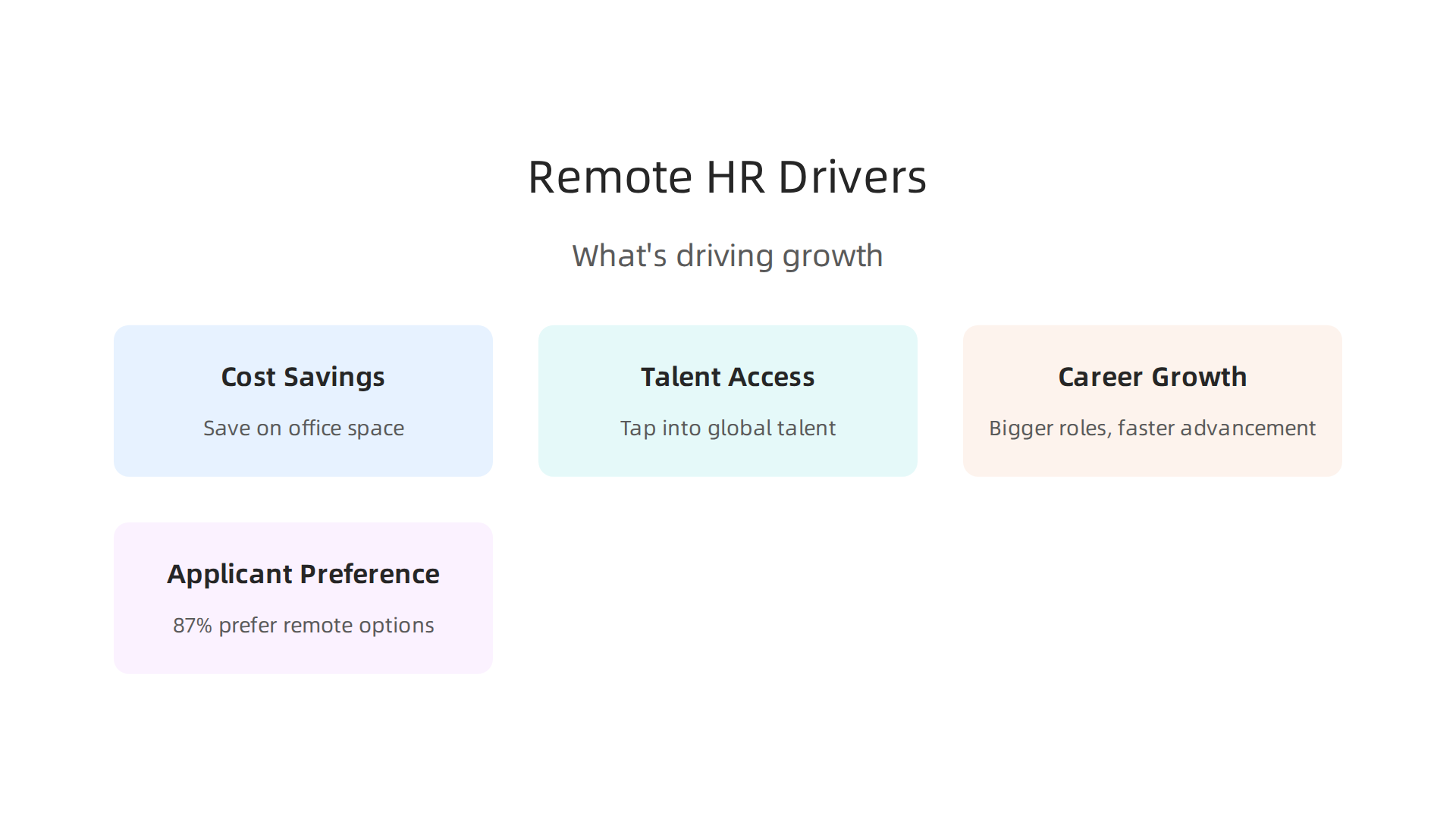
First, startups love remote models because they save money on office space and tap into talent anywhere in the world. According to KORE1’s remote work statistics for 2026, 27% of companies are now fully remote, and hybrid setups have cut turnover by roughly one third. Startups, in particular, are leading this shift. They’re more likely than large corporations to offer fully remote positions, including HR roles.
Second, remote HR jobs at startups come with bigger responsibilities and faster career growth. When you’re the only HR person at a 50-person startup, you’re not just doing one thing. You handle hiring, onboarding, performance reviews, benefits, culture, and sometimes even go to market strategy support by helping hire the right sales and marketing talent. That wide range of tasks in a startup gives you experience you’d need years to get at a traditional company. You learn fast, and your title can jump quickly from HR coordinator to head of people.
The demand is real. A Robert Half report on remote work trends for 2026 notes that while overall remote job postings have dipped slightly from 2025, the desire from workers hasn’t faded. In fact, Yomly’s 2026 remote work statistics show that 87% of applicants prefer jobs with remote options. Startups listen to what talent wants. They’re competing to attract the best people, and offering remote flexibility is a huge advantage.
This boom also opens doors for people entering HR for the first time. Many startups are willing to train someone who shows potential, especially if they understand the startup world. If you’re looking for entry level tech jobs or HR roles, this is an excellent time to jump in. You don’t need a decade of experience. You need curiosity, good communication skills, and a willingness to learn.
Of course, managing remote teams comes with challenges. You have to build trust without seeing people face to face. You need systems for tracking work and keeping everyone connected. The Scale.jobs report on 2026 remote work performance tracking says that 80% of companies now monitor remote workers in some way. As an HR professional, you’ll help set those policies fairly and transparently.
If you want to stay ahead of these trends and learn how startups are using AI and remote work to grow, I recommend subscribing to The Deep View Newsletter. It delivers daily insights on AI startup funding and the tools shaping the future of work, right to your inbox.
And if you’re curious about other remote opportunities beyond HR, check out our guide on remote jobs worldwide for AI professionals in 2026. It covers the skills and strategies that help you land a role in this fast growing space.
Essential Skills and Certifications for Remote HR Professionals in 2026
So you’re excited about the boom in remote HR jobs. But what do you actually need to land one? The good news is you don’t need a perfect resume. You do need the right mix of skills and credentials. Let’s break down what matters most in 2026.
Technical Skills That Set You Apart
Gone are the days when HR meant just handling paperwork. Remote HR jobs now require real technical know-how.
Startups expect you to manage HRIS platforms like BambooHR, Gusto, or Rippling without hand holding. These systems handle payroll, benefits, and employee data. If you can show you’re comfortable with them, you’ll stand out fast.
Data analytics is another big one. Startups love numbers. They want to see turnover rates, time to hire, and employee engagement scores. You don’t need to be a data scientist, but you should know how to pull reports and spot trends. According to the AIHR guide on HR job requirements for 2026, many employers now list data analysis as a core expectation even for entry level jobs.
You also need to understand remote collaboration tools. Slack, Zoom, Notion, and Trello are the basics. More advanced tools like Lattice for performance management or Culture Amp for engagement surveys are also common. The DailyRemote list of fastest growing remote jobs in 2026 confirms that recruiters specifically look for experience with tools like LinkedIn Recruiter, Lever, and Greenhouse.
Here’s another angle. In a startup, you’ll often help shape the go to market strategy by hiring the first sales and marketing team members. That means you need to understand what kind of people those departments need. You’re not just filling seats. You’re building the engine of the company.
Certifications That Boost Your Profile
Certifications aren’t always required, but they give you a serious edge. The Remote HR Jobs guide for 2026 points out that credentials like SHRM-CP, SHRM-SCP, PHR, and SPHR can strengthen your application significantly. These show you know employment law, compliance, and best practices.
For remote specific credibility, consider adding a remote work certification. Platforms like Coursera offer HR courses and certificates for 2026 that cover remote team management and virtual onboarding. These courses teach you how to handle the unique challenges of leading people you rarely see in person.
If you’re aiming for entry level tech jobs or your first HR role, start with the aPHR (Associate Professional in Human Resources). It’s designed for beginners and doesn’t require experience.

It signals to startups that you’re serious about the field.
Soft Skills That Matter More Than Ever
Here’s the thing. Technical skills get your foot in the door. Soft skills make you indispensable. Remote HR jobs demand excellent communication. You have to explain policies clearly in writing. You need to lead virtual meetings that don’t put people to sleep. And you have to build trust without body language cues.
Empathy is huge. Remote workers often feel isolated. As an HR person, you’re the one who checks in, notices when someone seems off, and creates programs that keep people connected. The Virtual Vocations guide to remote HR jobs emphasizes that emotional intelligence and active listening are top skills employers look for.
Self discipline is non negotiable. When you work from home, nobody watches your screen. You have to manage your own time, meet deadlines, and stay organized. Startups move fast. If you can’t keep up without someone pushing you, remote work will be tough.
Putting It All Together
The best candidates for remote HR jobs combine all three areas. They know the tools, hold a relevant certification, and bring strong people skills. If you’re missing one piece, start there. Take a Coursera course on HR analytics. Sign up for the SHRM CP exam. Practice leading virtual meetings with friends.
And if you want to stay ahead of how AI and automation are changing HR work, I highly recommend subscribing to The Deep View Newsletter. It delivers daily insights on the tools and trends shaping the future of work, including how AI is transforming recruitment and people operations.
For more on breaking into remote roles, check out our guide on landing remote entry level IT jobs in 2026 without experience. The strategies for building skills and networking apply to HR too.
How to Land a Remote HR Job at a High-Growth Startup
You have the skills and certifications. Now you need a strategy to actually get the offer. Landing a remote HR job at a high-growth startup takes a different approach than applying at a big company. Startups move fast. They care less about your resume format and more about whether you can help them build. Here is exactly how to position yourself.
Network Where Startups Live
Startup founders rarely post jobs on traditional boards first. They hire through their network. So you need to be where they are.
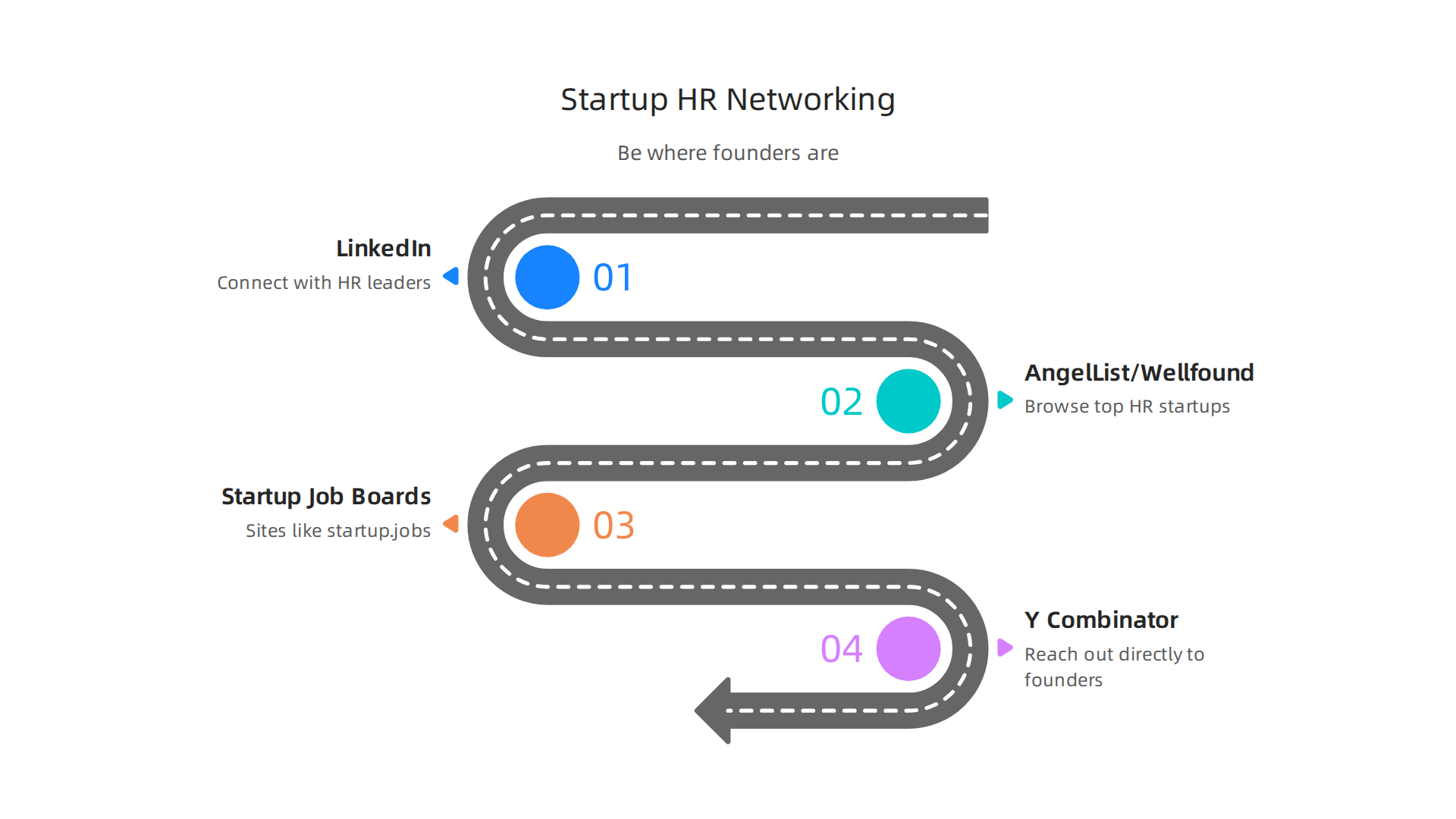
LinkedIn is still the number one place. But don’t just send applications. Connect with HR leaders at growing companies. Comment thoughtfully on their posts. Share insights about remote hiring. The Virtual Vocations guide to remote HR jobs recommends engaging with content from companies you admire. This gets your name noticed before you ever hit apply.
AngelList and Wellfound are built for startups. On Wellfound you can browse the top Human Resources startups in 2026 like Lattice, Gusto, and Culture Amp. Many of these companies hire remote HR people directly through the platform. Set up job alerts and apply with your AngelList profile.
Startup job boards also work. Sites like startup.jobs list hundreds of remote HR roles at funded startups. You can filter by remote, location, and role type. Underdog.io is another strong option. Their guide to platforms for finding remote companies in 2026 explains how to connect with high-growth startups that actively hire distributed teams.
And don’t forget Y Combinator. Their startup directory lists 68 HR startups funded by YC. Many are early stage and need their first HR hire. Reach out directly to founders.
Tailor Your Resume for Startup Speed
A big company resume will not work here. Startups want to see that you understand their world. Highlight any experience you have with distributed teams. Did you manage remote interns? Hire across time zones? Onboard people virtually? Put that front and center.
Show you understand startup culture. That means flexibility, wearing multiple hats, and moving fast. If you have tasks in a startup experience like helping with recruiting for the sales team or building an onboarding process from scratch, list it. According to AIHR’s guide on HR job requirements for 2026, data analysis and proficiency with HR tech are now core expectations. Make sure those are visible.
Use numbers when possible. Instead of "handled recruiting," write "hired 15 remote employees in 3 months using Lever and LinkedIn Recruiter." That shows you can execute.
Target Well-Funded Startups with Smart Research
Here is a strategy most people miss. Use funding news to find which startups have money to spend on HR. A well-funded startup is more likely to hire a dedicated people person early.
That is where tracking AI startup funding comes in. Many of the fastest growing companies in 2026 are AI-driven businesses. They need HR professionals who understand remote work and can scale culture quickly. By following platforms like AI Startup Funding News Today, you can spot companies that just raised a Series A or B. They are usually hiring fast.
For a deeper dive on how funding trends affect hiring, check out our article on AI startup funding in 2026. It shows you exactly how to identify startups with fresh capital.
Put It All Together
Your goal is to become someone a founder wants to meet.

Network in the right places. Show you understand startup life. And use funding intelligence to aim for companies that are ready to grow.
If you want daily updates on which AI startups are raising money and what that means for hiring, I recommend subscribing to The Deep View Newsletter. It delivers the kind of intelligence that helps you target the most promising companies before they even post a job.
Navigating Startup Culture and Strategic Growth as an HR Leader
Landing the job is only the beginning. Once you step into a startup, your role shifts fast. You are no longer just processing paperwork or handling benefits. At a high-growth company, you become a core part of how the business scales.
Understand Your Strategic Role Early
Many new HR professionals expect to do the same tasks in a startup that they would at a big company. That is not how it works here. Startups need you to think like a business partner from day one. You help decide when to hire, how to keep culture strong, and what systems to put in place.
According to HappyHR’s guide on HR priorities for startup growth, building a compelling employer brand and attracting exceptional talent are top priorities. That means you have to know the company’s goals inside and out. If the business plans to launch a new product next quarter, you need to hire the right people before that launch happens.
This is where understanding go to market strategy matters. When a startup plans to enter a new market, HR has to anticipate talent needs. Do they need salespeople who know that industry? Support staff who speak the language? You help answer those questions before they become urgent.
Build Trust in Remote Teams
Here is the hard truth about remote work. Trust does not happen by accident. When teams are scattered across time zones, you have to build it on purpose.
One of the biggest priorities for HR leaders in 2026 is creating transparency across distributed teams.
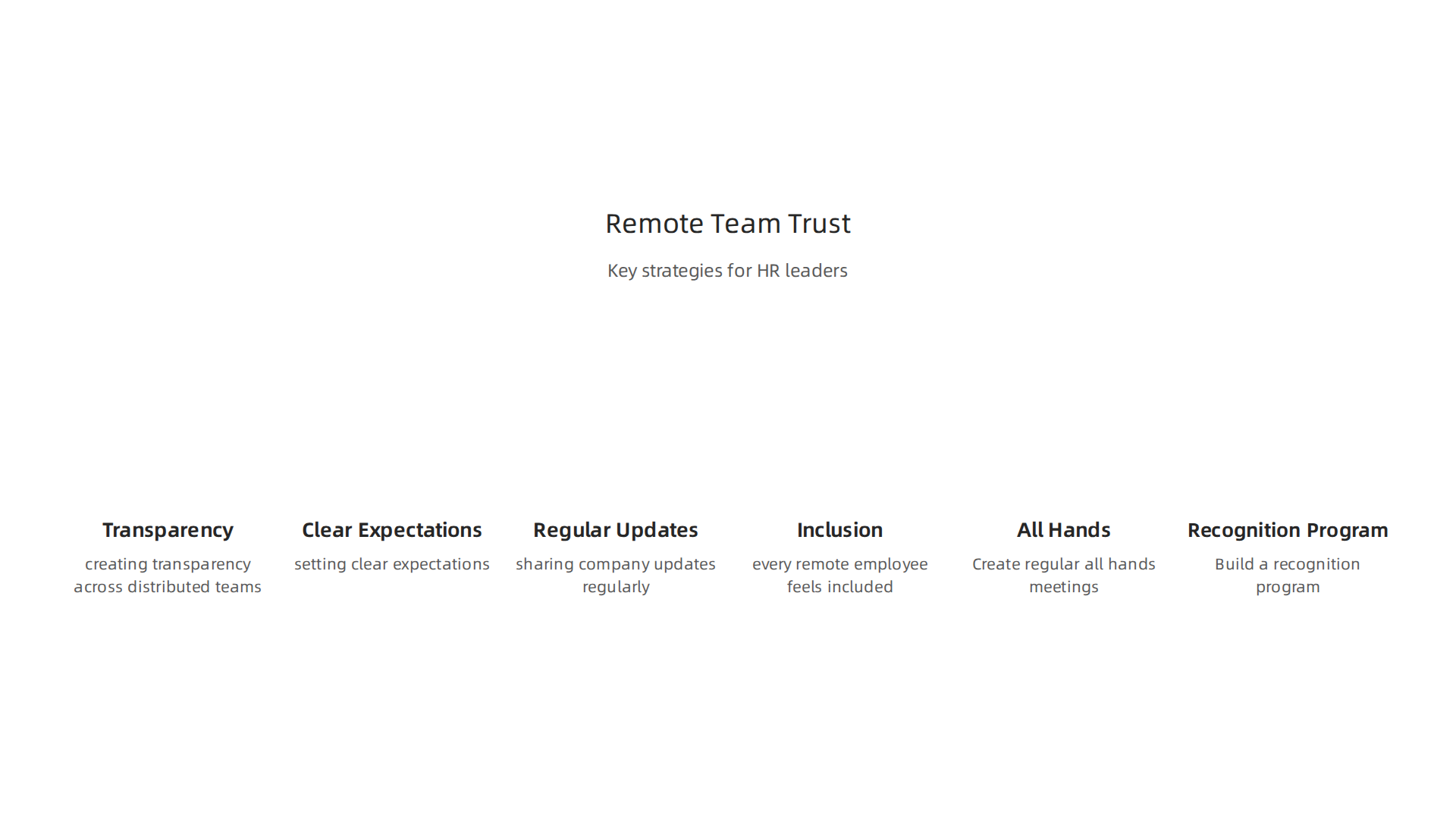
The Leapsome article on strategic HR initiatives for 2026 highlights that aligning people strategies with business targets is critical. That means setting clear expectations, sharing company updates regularly, and making sure every remote employee feels included.
If you are coming from an entry level tech jobs background, you might not have experience building culture from scratch. But that is exactly what startups need. You can start simple. Create regular all hands meetings. Use tools like Loom for async updates. Build a recognition program that works across time zones. As your team grows, these small habits become the foundation of your culture.
Korn Ferry’s HR trends report for 2026 explains that the future of HR looks very different than it did just a year ago. Trust and transparency are no longer nice to have. They are essential for keeping talent in a competitive market.
Anticipate Talent Needs Through Growth Patterns
The best HR leaders in startups do not just react. They predict.
One way to do this is by studying how successful startups grow. When a company raises a Series A, for example, hiring usually accelerates fast. You need to be ready. That means having job descriptions ready, knowing your recruiting channels, and understanding what skills the business will need next.
For more on how funding trends shape hiring, check out our article on remote jobs worldwide for AI professionals in 2026. It shows how fast growing companies use funding to scale their teams globally.
Another approach is to build relationships with department heads early. Talk to the engineering lead about their hiring plans for the next six months. Ask the sales director what roles they need to hit their targets. When you know what is coming, you can plan instead of panic.
The Quantum Workplace strategic HR plan for 2026 recommends building a plan that empowers managers to build thriving teams. That starts with you understanding the business goals and translating them into people strategies.
Put Your Strategic Hat On
You did the hard work to get the job. Now comes the rewarding part. You get to shape how a company grows, how people feel about their work, and how the culture evolves. That is not just an HR role. That is a leadership role.
If you want daily insights into which startups are raising money and what that means for hiring trends, I recommend subscribing to The Deep View Newsletter. It gives you the kind of intelligence that helps you stay ahead of talent needs and make strategic moves before your competitors do.
Staying Ahead: Using AI Startup Funding Trends to Boost Your HR Career
You now have the strategic mindset. You know how to build trust in remote teams and anticipate talent needs. But here is a secret that top HR leaders use to stay ahead. They watch the money.
Tracking which startups raise capital gives you a huge career advantage. It helps you identify financially stable companies before they post jobs. It tells you which sectors are growing. And it shows you where your skills will be in highest demand.
Why Funding Trends Matter for Your Career in HR
Here is the thing. A startup that just raised a big round is hiring. They have cash in the bank. They need to scale fast. If you are looking for remote hr jobs, this is gold.
According to Crunchbase data on HR software startup funding, HR software startups raised nearly $1.9 billion globally in 2025. That money fuels hiring sprees. When a company closes a Series A or Series B, they typically start recruiting within weeks.
You want to be ready for that wave. Read our deep dive on AI startup funding in 2026 to understand which companies are getting funded and what that means for hiring.
The Ashby state of startup hiring report for 2026 shows that venture-backed startups are adopting AI tools and remote hiring at record rates. That creates a specific demand for HR professionals who understand both technology and distributed teams.
Specialize in Sectors the Money is Flowing Into
Not all startups are the same. In 2026, the biggest funding rounds are going to specific sectors. AI, cleantech, healthtech, and HR tech itself are attracting massive investment.
Here is why that matters for you. When you specialize in a high growth sector, your career moves faster. You become the expert that recruiters call first. You understand the go to market strategy for that industry. You know the talent pools. You speak the language.
For example, if you focus on AI startups, you will know how to hire machine learning engineers. You will understand the tasks in a startup that are unique to AI companies, like data labeling or model evaluation. That kind of deep knowledge makes you invaluable.
The Korn Ferry HR trends report for 2026 explains that aligning your skills with technology trends is one of the smartest moves you can make. If you are coming from entry level tech jobs, this is your chance to build expertise in a fast growing field.
Check out our guide to remote jobs worldwide for AI professionals in 2026 to see which roles are in demand and what skills you need to land them.
A Smarter Way to Track Opportunities
Tracking startup funding sounds time consuming. It can be. There are dozens of blogs, databases, and newsletters out there. Sorting through them all takes hours each week.
But here is a better way. Subscribe to a curated source that does the work for you. One newsletter that focuses specifically on AI funding trends and startup growth signals. That is where The Deep View Newsletter comes in. It delivers clear daily updates so you never miss a major funding round or hiring surge.
When you know which startups are raising money and why, you can target your applications. You can reach out to founders before they post jobs. You can position yourself as the HR leader who understands their business.
That is the edge that separates a good HR career from a great one. And it starts with paying attention to where the money is going.
Summary
This guide explains why remote HR roles at startups are among the fastest‑growing and most career-accelerating opportunities in 2026, and shows how to find and succeed in them. It covers the market drivers—remote-first hiring, AI adoption, and venture funding—and details the mix of technical, analytical, and soft skills startups expect. You’ll learn which tools and certifications matter, how to tailor your resume and network in startup channels, and why tracking funding rounds gives you a hiring edge. The article also outlines how to shift into a strategic people-leader role once hired, including building culture, anticipating talent needs, and aligning HR with go‑to‑market plans. Practical steps and platform recommendations make it actionable for both newcomers and experienced HR pros aiming to land remote roles at high-growth companies.