

AI Reshapes Fintech Startup Funding 2026
Overview
Introduction: The New Frontier of Fintech Funding
If you have been watching the money flow in tech lately, you have probably noticed something. Fintech is not just alive and well in 2026. It is evolving fast. After a couple of quieter years, global investment in fintech startups is climbing again. In the first half of 2025 alone, total fintech investment hit $24 billion across nearly 2,600 deals. And the momentum has carried into 2026, with top venture capital firms backing 52 fintech startups for a combined $1.4 billion in Q1 alone.
The reason for this surge is not a mystery. Artificial intelligence is changing what fintech products can do and how efficiently they operate. Whether you are exploring ai startup ideas or tracking generative ai companies, the overlap between AI and financial services is where much of the action is happening. Investors are no longer throwing money at hype. They want clear revenue models, strong unit economics, and real compliance with regulations.
Here is the challenge though. With so much news coming out every day, it is easy to get lost. Funding announcements, pre seed funding rounds, and moves from venture capital firms pile up fast. Separating the signal from the noise takes work.
That is where this article comes in. We have pulled together a data-backed roadmap of the 2026 fintech funding landscape. You will learn where the money is going, which sectors are heating up, and how to integrate AI strategies that actually work. For a deeper look at how to spot real investment moves, check out our guide on how to decode CEO announcements for real AI startup funding insights.
By the end, you will have a clearer picture of the new frontier and a practical way forward.

And if you want to keep these insights coming daily, consider subscribing to The AI Newsletter Worth Reading for clear AI updates straight to your inbox.

The State of Fintech Startup Funding in 2026
The numbers tell a clear story. Fintech startup funding is officially back after a cautious couple of years. In 2025, venture capital funding for fintech startups rose 35% to about $53 billion, according to the Forbes Fintech 50 report. That was the first year of growth in four years. And 2026 is building on that momentum. Through May of this year, the total funding raised by fintech startups globally has already passed $7.3 billion, spread across hundreds of deals.
What is driving this comeback? For starters, investors are putting their money into companies with clear business models. The days of backing hype without revenue are fading. Now, venture capital firms want to see strong unit economics and real compliance. And artificial intelligence is powering much of the new value in these companies. If you are curious about which AI leaders are emerging, you might want to start spotting tomorrow’s market leaders in both AI and fintech.
Where the Money Is Going
Payments and lending still lead the pack. These are the backbone of fintech, and they continue to attract the largest checks. But two other sectors are heating up fast: insurtech and regtech.
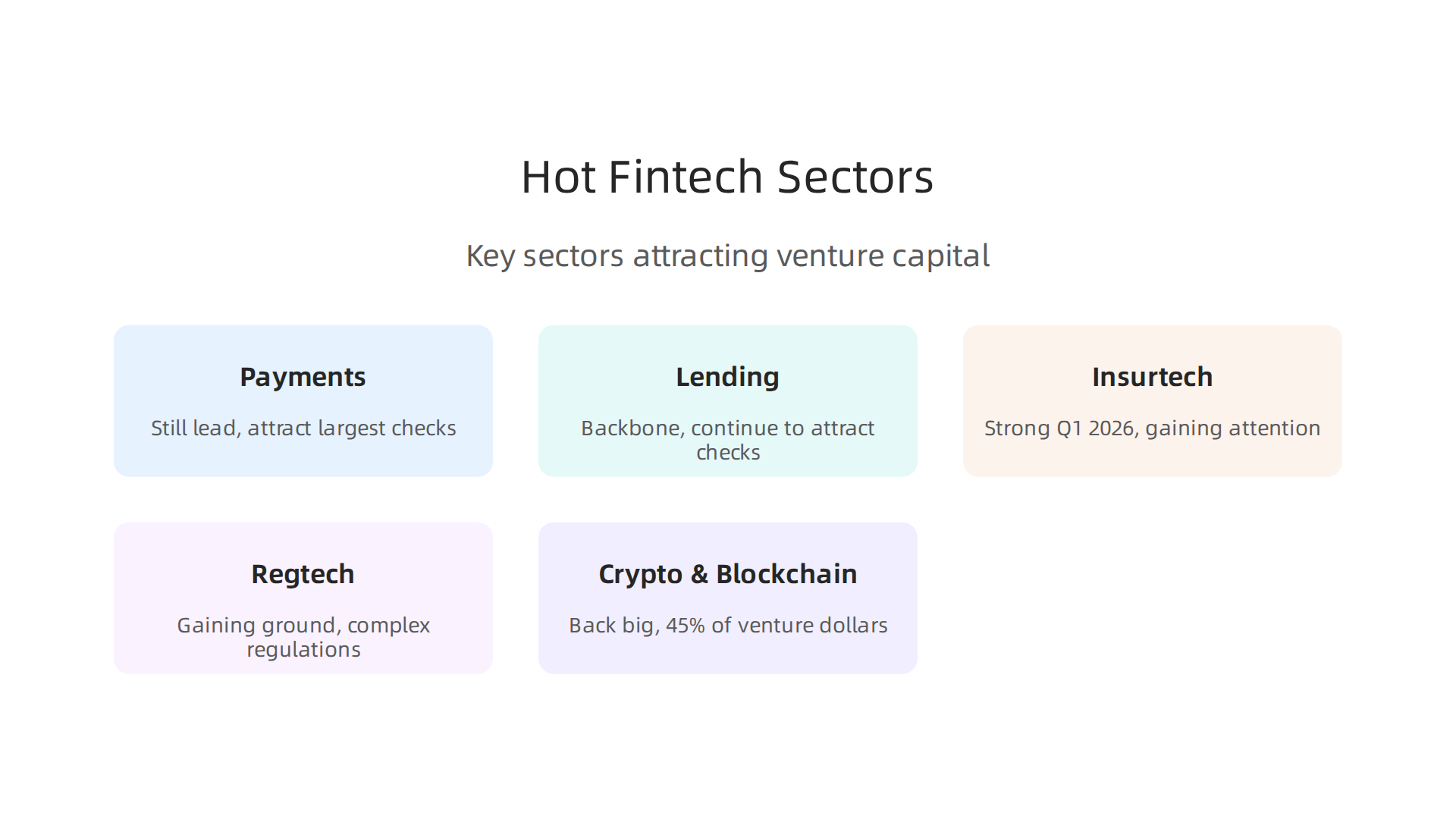
Insurtech had a strong first quarter of 2026. Top venture firms backed 9 insurtech projects worth a combined $436 million, according to the Startup Report on venture fund deals from March 2026. That is a sign that insurance technology is finally getting the attention it deserves. Regtech, or regulatory technology, is also gaining ground as financial regulations get more complex. Meanwhile, crypto and blockchain are back in a big way, making up 45% of all fintech venture dollars in Q1 2026, per J.P. Morgan’s fintech industry trends report.
For founders looking at pre seed funding or early-stage rounds, the best opportunities right now are in AI-powered payments infrastructure, embedded finance, and lending automation. The market wants tools that make money move faster and safer.
Geographic Shifts Are Real
The United States still leads in total dollars raised. But other regions are catching up fast. The Asia Pacific region, especially India and Southeast Asia, saw a big jump in 2025. Indian fintech startups raised $1.6 billion across 68 deals in the first half of 2025, up 56% from the year before. The Middle East is also becoming a hot spot. Companies in the United Arab Emirates, like Global Settlement Network, are pulling in pre-seed rounds for blockchain and B2B fintech solutions.
According to the KPMG global analysis of fintech funding, the Americas drew $56.6 billion in 2025, but the EMEA region accounted for $29.2 billion and the ASPAC region for $9.3 billion. That is a big chunk of change outside the US. For venture capital firms looking for the next big thing, paying attention to these regions is no longer optional. It is essential.
What This Means for You
If you are building a fintech startup or evaluating investment opportunities, the data gives you a clear signal.

The market is growing again, but it is picky. AI-driven solutions that solve real problems in payments, lending, insurance, and compliance are getting funded. And the geographic landscape is widening, giving you more options for where to find talent and users.
To keep up with these trends without spending hours digging through news, you can get clear daily AI updates straight to your inbox. Consider subscribing to The AI Newsletter Worth Reading for concise daily briefings on AI and fintech funding moves.
Key AI Integration Strategies for Fintech Startups
The funding data makes one thing crystal clear: fintech startups that want to win in 2026 must integrate AI deeply into their core. Investors are no longer impressed by buzzwords. They want to see real technology driving real results. Here are the three key strategies that define the most successful players this year.
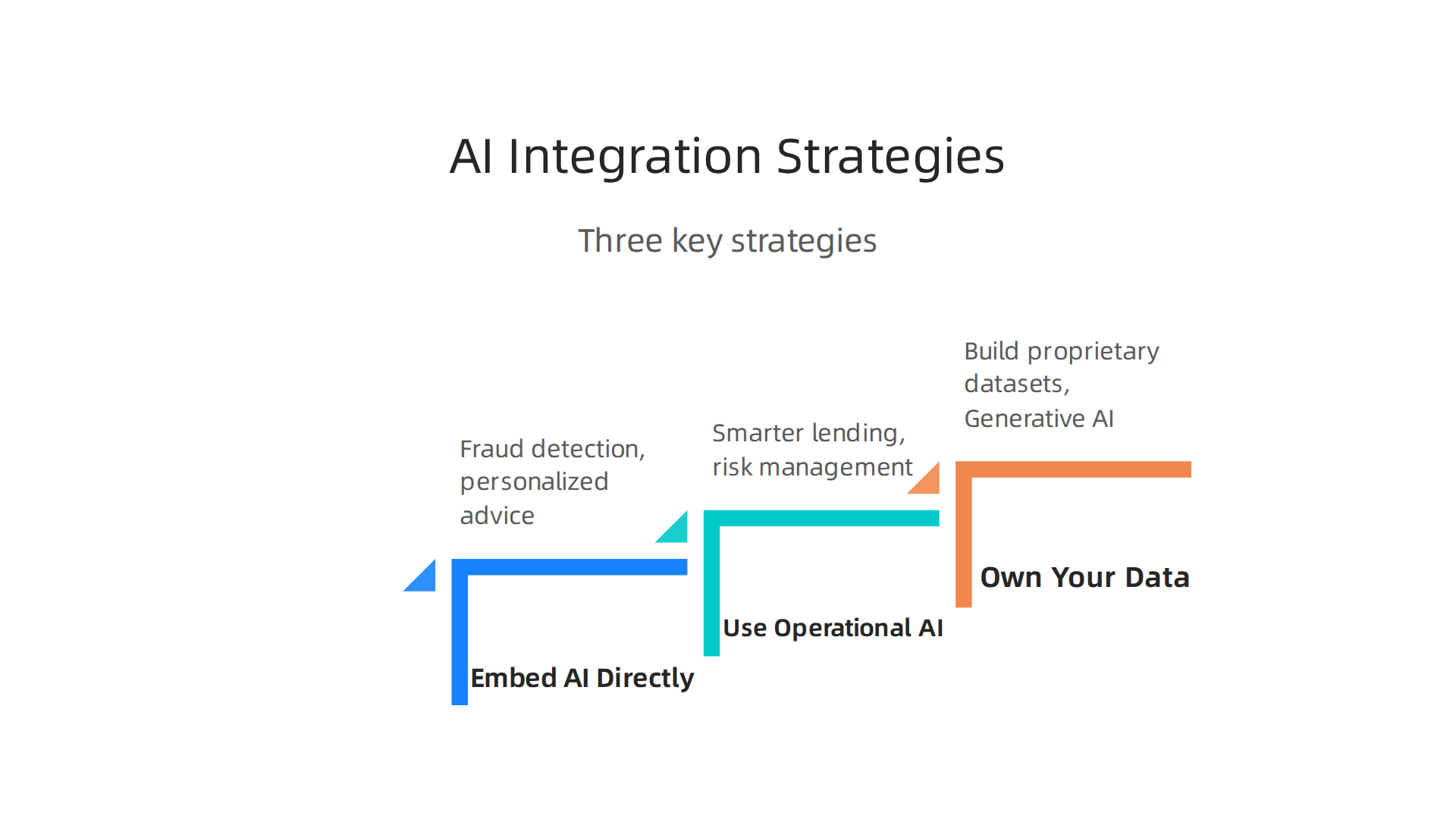
Embed AI Directly into Your Core Product
One of the fastest ways to show value is by embedding AI directly into what you sell. For most fintech startups, this starts with fraud detection. AI models can analyze millions of transactions in real time to spot unusual activity. According to the AI in Fintech adoption report for 2026, 81% of financial institutions now use AI, and agentic AI systems that act on their own are the fastest-growing category. The other side of the coin is personalized financial advice. Instead of giving every user the same dashboard, AI enables smart recommendations and customized product offerings. If you want to see how top companies are pulling this off, check out this overview of generative AI solutions for business in financial services.
Use Operational AI for Smarter Lending and Risk Management
Beyond the customer-facing product, the biggest efficiency gains live inside your operations. AI-powered credit scoring and underwriting are transforming how fintech startups assess risk. By using alternative data like transaction history or business performance, AI can make fairer and faster lending decisions. This directly addresses what venture capital firms are looking for: strong unit economics and real compliance. The IBM overview of AI in fintech use cases confirms that credit risk assessment and virtual assistants are driving the most adoption right now. A strong operational AI strategy can sharply reduce manual errors and cut costs. This makes your startup more fundable, whether you are raising your pre seed funding or a later round. For more on how to align your ops with what funds expect, learning to build AI strong foundations is a smart first step.
Own Your Data Strategy and Embrace Generative AI
All of this AI needs fuel, and that fuel is data. The most successful fintech startups in 2026 are the ones that build proprietary datasets from day one. Public data gives you a commodity product. Your own transaction data, user behavior data, and feedback data give you a real advantage. Generative AI adds another layer by powering customer interactions that feel human instead of robotic. But for regulated products, generative AI must be grounded in verified company data. A phased rollout, starting with an internal sandbox, is the safest path. The generative AI in fintech best practices guide recommends starting with internal utilities before moving to customer-facing tools. If you are brainstorming ai startup ideas in fintech, start by asking: What data do I have that no one else has? And how can generative AI make my customer’s experience ten times better? Understanding the three elements of AI data algorithms and compute can give you a framework for building this out.
To win funding and users in 2026, you need more than a good idea. You need a clear plan for embedding AI into your product, running your operations on machine learning, and owning a unique data strategy. These three pillars will define the next wave of winning fintech startups.
How AI Is Reshaping Fintech Business Models
The old way of building a fintech company was simple: be a faster, cheaper middleman between banks and customers. That model is fading fast. In 2026, fintech startups are moving from traditional intermediaries to platform-based, AI-first models that cut costs and boost speed. The shift is not just about adding a chatbot. It is about redesigning the entire business around artificial intelligence.

Take the example of lending. In the past, a fintech would collect a loan application, run a credit check, and send it to a funding partner. Today, an AI-first platform processes real-time data from the borrower’s business operations, makes a decision in seconds, and disburses funds through embedded banking infrastructure. The middleman role disappears. The platform becomes the product. This approach delivers major cost savings because AI automates repetitive tasks and removes human bias from decision-making. The AI in Fintech use cases and benefits page highlights that cost efficiency and error reduction are two of the biggest advantages fintech companies gain from AI integration.
Generative AI is taking this further by enabling hyper-personalization and entirely new revenue streams. Instead of offering a one-size-fits-all savings account, AI-powered platforms now deliver personalized financial advice, dynamic investment portfolios, and custom loan products for each user. For example, an AI agent can analyze a user’s spending patterns and proactively recommend an investment strategy. This creates a new income source for the fintech: subscription fees for robo-advisory or commission on trades. Agentic AI systems that act independently are the fastest-growing category in fintech, with 52% of financial services firms actively adopting them. The rise of Agentic AI in finance article explains how these autonomous systems manage portfolios and adjust risk in real time.
Another major change is the role of AI in enabling embedded finance and open banking. When a non-financial platform like a ride-sharing app wants to offer instant loans or insurance, it needs a way to assess risk and deliver the product seamlessly. AI makes this possible by analyzing data from the platform, making lending decisions on the fly, and integrating with open banking APIs to move money. This model reduces the need for traditional bank partnerships and lets fintech startups reach users inside the apps they already use. It also requires a strong data strategy from day one. If you are exploring your own ai startup ideas, studying how top AI companies in 2026 are building their platforms can give you a blueprint for success.
The business model shift also changes how fintech startups attract funding. Venture capital firms now prioritize startups that show a clear pathway from platform-based AI to revenue. If your model depends on being a middleman, you will struggle. If you own the AI that powers the experience, you become a target for investment.
So, what does this mean for you as a founder or operator? You need to rethink your revenue structure, your partnerships, and your product design around AI. The old fintech playbook is obsolete. The new one is written in code, data, and machine learning models.
To keep up with the fast pace of change, staying informed on daily AI developments is critical. The The AI Newsletter Worth Reading delivers clear, actionable updates straight to your inbox so you never miss a shift in the landscape.
Navigating Regulatory and Compliance Challenges in AI-Fintech
Building an AI-first fintech platform is exciting. But it comes with a big challenge: keeping up with fast-changing rules. In 2026, regulators around the world are paying close attention to how artificial intelligence is used in finance. If you ignore these rules, your startup could face huge fines or even get shut down. So let us look at what you need to know.
The EU AI Act Is Now in Full Force
The biggest piece of regulation is the European Union’s AI Act. It started applying in stages, and the full set of rules for high-risk AI systems kicked in on 2 August 2026.
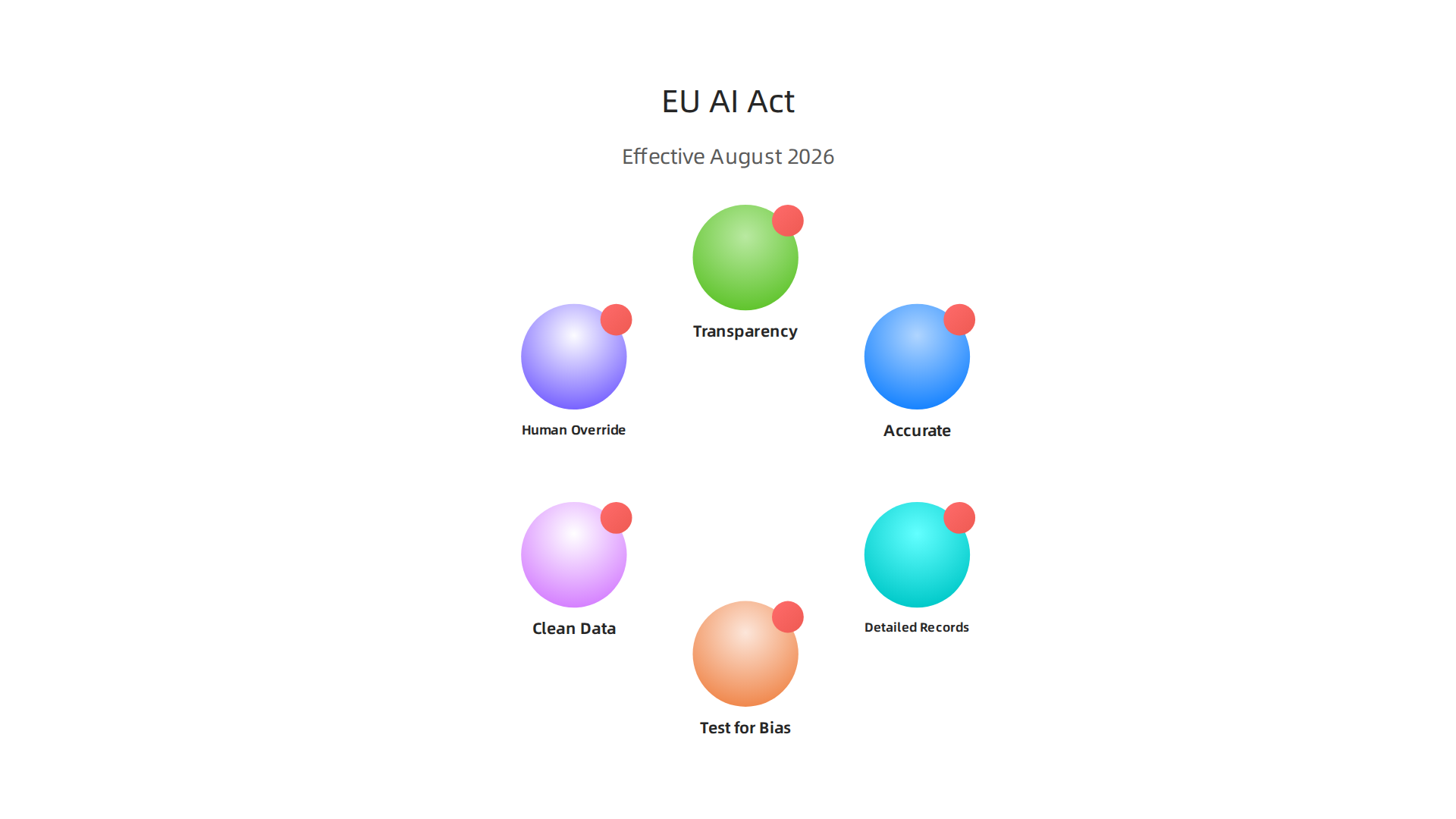
That means if your fintech startup uses AI for things like credit scoring, fraud detection, or risk assessment, you are in a high-risk category.
As the EU AI Act regulatory framework explains, high-risk systems must pass a strict check before they can be sold or used. You need to show that your AI is accurate, fair, and secure. You also have to keep detailed records of how your model works and what data it uses.
What High-Risk Means for Credit and Fraud Tools
If your startup makes AI-powered lending decisions or flags suspicious transactions, you have extra responsibilities. The key points for financial services businesses article notes that credit scoring and financial risk assessment are specifically listed as high-risk under the AI Act. That means you must test your model for bias, make sure your training data is clean, and allow humans to override the system when needed.
The same rules apply to fraud detection and anti-money laundering tools. Even though some fraud systems are not in the highest risk group, you still need transparency. Your users must know when they are talking to an AI, not a person. And under the how the EU AI Act affects mobile banking apps guidelines, banks must run audits on their decision algorithms across four areas: credit scoring, fraud detection, offer personalisation, and customer service.
The Cost of Getting It Wrong
Penalties are serious. Fines can go up to 35 million euros or 7 percent of your global annual turnover, whichever is higher. That is enough to sink a young startup. Beyond the money, regulators can force you to pull your AI system from the market entirely. So compliance is not optional, it is survival.
Build Compliance Into Your Product From Day One
Here is the good news. You can design your startup to meet these rules from the start instead of fixing problems later. Start by classifying every AI tool you plan to build. Know which ones are high-risk. Build in human oversight checkpoints for decisions that affect people’s money or rights. Keep clear logs of how your model makes decisions and what data it uses. And train your team on AI literacy so everyone understands the rules.
One simple way to stay ahead is to study how successful companies handle this. The build compliance into your AI product design guide offers practical steps for creating AI systems that meet regulatory standards without slowing down your innovation.
What Venture Capital Firms Look For
Investors are watching too. Venture capital firms increasingly check for compliance readiness before they write a check. If your startup has a clear plan for handling the EU AI Act and similar US state-level AI bills, you stand out. If you are still in the pre seed funding stage, showing that you understand the regulatory landscape early on can make the difference between getting funded or getting passed over.
The same goes for generative ai companies building financial tools. Any system that generates content like personalized investment advice or automated reports must clearly label that the content comes from AI. The rules are strict, but they are also clear. You just need to follow them from the beginning.
A Final Word on Staying Informed
Regulations are not going away. In fact, they will only get more detailed as AI evolves. The best thing you can do as a founder or operator is make compliance a core part of your product development cycle. Treat it like a feature, not a burden. That approach saves you money, protects your users, and builds trust with regulators and investors alike.
Investor Sentiment and Due Diligence in AI-Powered Fintech
So you have built your AI fintech platform and thought about compliance. Now comes the next big test: convincing investors to back you.

In 2026, venture capital firms are writing checks again for fintech startups, but they are much pickier than they were in the boom years. The days of funding any idea with an AI tag are over. Investors want proof that your company can actually win.
What Investors Are Looking For
The first thing every investor checks is your AI moat. That is a fancy way of asking: what stops another startup from copying you tomorrow? The best answers are proprietary data that nobody else has, a team with deep expertise, and models that investors can actually understand. Black box algorithms that even your engineers cannot explain will scare investors away.
According to the top VC firms backing fintech startups guide from Qubit Capital, leading investors now reward proof over promise. They want live revenue, not a roadmap. Conviction follows traction, and capital follows conviction.
That is especially true for founders at the pre seed funding stage. You might not have revenue yet, but you need a clear story about your data advantage and why your team is the right one to execute.
Due Diligence Goes Deep
In 2026, due diligence is not just about financial statements. Investors run technical audits on your AI systems. They look at fairness, accuracy, and scalability. They ask hard questions about bias in your training data and whether your model works just as well for all customer groups.
They also look at how you handle regulatory compliance. If you skipped the compliance section of this article, go back and read it. A startup that has not planned for the EU AI Act or similar rules will not get funded. A fintech startup that shows it has already built compliance into its product design stands out immediately.
Some venture capital firms now have in-house AI experts who review your code and data pipelines before making a decision. That means you need to have clean, documented systems from day one.
Valuation Trends Favor AI-Native Fintech
Here is some good news. AI-native fintech startups are commanding higher valuations than traditional fintech companies. Reports show these startups can get 20 to 30 percent higher multiples. Why? Because investors believe AI-native companies can scale faster, automate more, and build stronger moats over time.
The J.P. Morgan 2026 fintech industry trends report shows that crypto and B2B payments are driving much of the recent funding. But AI-native lending, risk assessment, and fraud detection tools are also attracting big attention.
That said, the total number of deals is shrinking. Q1 2026 fintech startup funding data from Crunchbase shows that global funding hit $12 billion across just 751 deals. More money is going into fewer companies. So you need to be one of the few that investors pick.
How to Position Your Startup
If you are a founder building ai startup ideas in fintech, start by building your AI moat early. Collect unique data. Hire a team that knows both finance and machine learning. Make your model explainable. And show investors that you understand the regulatory landscape.
One powerful way to identify where the market is heading is by studying which companies are leading today. Check out our guide on spotting tomorrow’s market leaders for practical signals that help you choose the right path.
A Final Thought
Investor sentiment in 2026 is cautious but real. The money is there for fintech startups that have strong foundations, clear moats, and a plan for compliance. If you can show those three things, you will stand out in a crowded field. And if you want to stay ahead of every funding trend and regulatory shift, you need a reliable source of daily intelligence.
The AI Newsletter Worth Reading delivers clear daily AI updates straight to your inbox. It cuts through the noise so you never miss what matters for your startup.
Actionable Steps for Fintech Founders to Secure AI-Ready Funding
You understand what investors want in 2026. Now comes the hard part. Delivering it. If you are a founder building ai startup ideas in fintech, you need a clear plan. Here are the three most important things to get right.
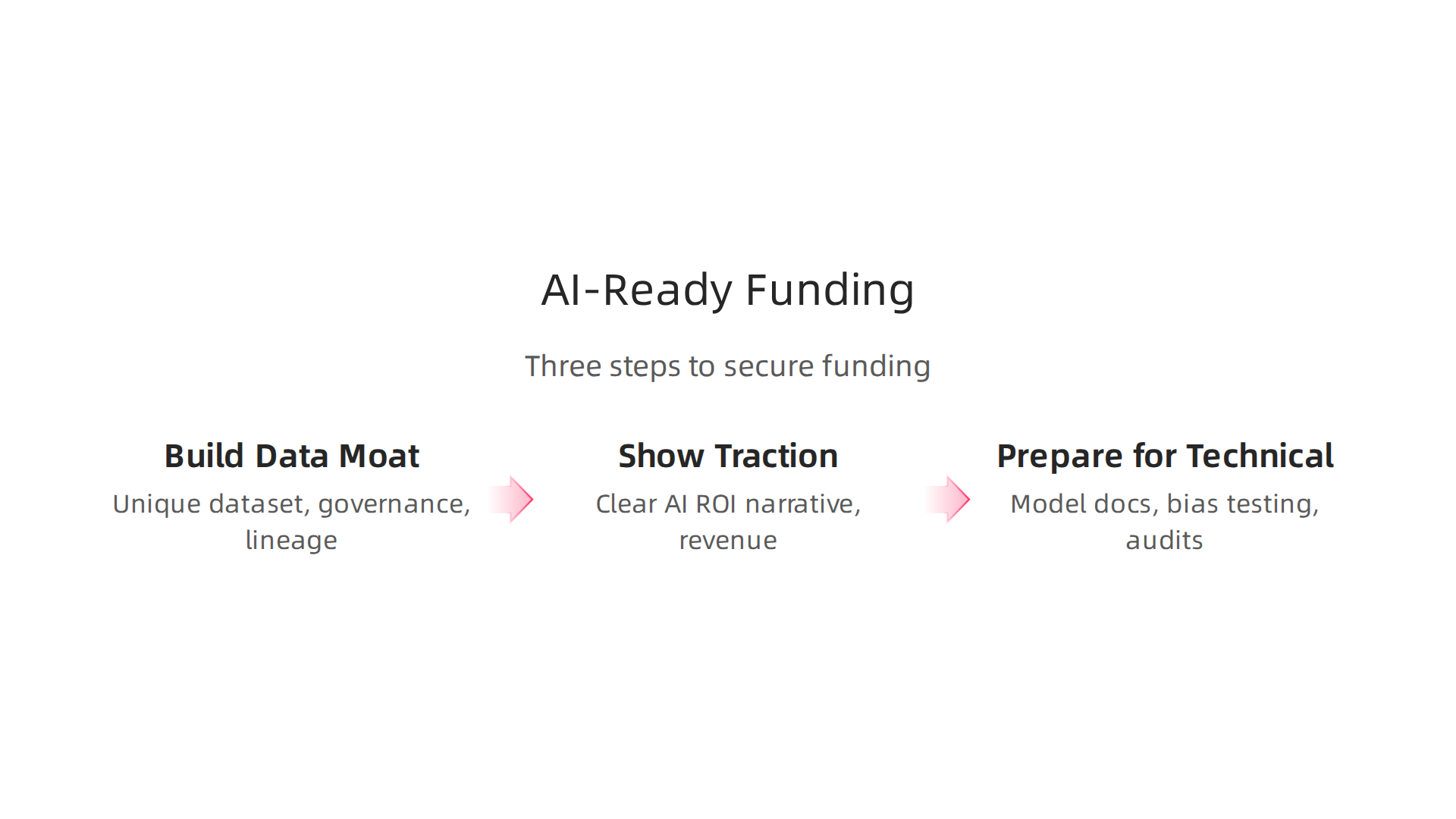
Step 1: Build a Defensible Data Moat
Investors will ask one question more than any other. Why can’t another team copy you in six months? The best answer is a unique dataset that nobody else can access. That could be transaction data from your pilot customers, lending data from an exclusive partnership, or user behavior data that only your product generates.
But owning data is not enough. You also need data governance. That means knowing exactly where every piece of data came from, how it was cleaned, and how it flows through your model. The AI regulations and governance guide from Sombra explains that full data lineage tracking is now a basic expectation for any startup seeking funding.
If you want to see which generative ai companies are building real data moats today, check out our breakdown of what Limitless AI and Turing AI actually build and why it matters.
Step 2: Show Traction with a Clear AI ROI Narrative
Investors do not care about how clever your algorithm is. They care about what it does for the business. You need to show them numbers that matter.
For a lending app, that could be a 20 percent lower default rate compared to traditional models. For a fraud detection tool, it could be cutting false positives in half while catching more real fraud. For a personal finance app, it could be improving customer retention by 15 percent through better recommendations.
The top VC firms backing fintech startups guide from Qubit Capital confirms that leading investors now reward proof over promise. They want live revenue, not a roadmap. So before you walk into any pitch meeting, prepare a one-page summary that shows exactly how your AI saves money or makes money.
Step 3: Prepare for Technical Due Diligence
In 2026, investors do not just look at your pitch deck. They look at your code. Many top venture capital firms now have in-house AI experts who review your model documentation, bias testing results, and data pipelines before making a decision.
That means you need three things ready before you start fundraising:
- Model documentation: A clear explanation of how your model works, what data it was trained on, and how you validate its outputs
- Bias testing results: Proof that your model performs fairly across all customer groups
- Third-party audit reports: If possible, have an outside firm review your system before investors ask
The 2026 AI startup funding guide from AI Funding explains that understanding inference cost per query, model accuracy against human baselines, and user retention stats are exactly the metrics investors look for.
One More Thing
Staying ahead of every funding trend, regulatory shift, and competitive move is a full time job. That is why thousands of founders and investors rely on The AI Newsletter Worth Reading. It delivers clear daily AI updates straight to your inbox so you never miss what matters for your fintech startups. Cut through the noise and stay focused on what actually helps you raise capital and build a durable company.
Summary
This article maps the 2026 fintech funding landscape and explains why investors are back—but pickier—about fintech startups. It shows where capital is flowing (payments, lending, insurtech, regtech, and a revived crypto/ blockchain segment), which regions are heating up, and why AI is the decisive factor for winning funding. The piece lays out three practical AI strategies—embed AI into your product, operationalize AI for lending and risk, and own your data—and explains how those choices change business models, revenue paths, and investor expectations. It also covers regulatory realities like the EU AI Act, the penalties for noncompliance, and how to design compliance into product development. Finally, the article offers actionable fundraising steps: build a data moat, demonstrate clear AI ROI, and prepare documentation for technical due diligence so founders can raise capital in a cautious, competitive market.