
Attract Angel Investors for Startups 2026 Funding and Deal Strategies
Overview
Starting a new business is exciting, but finding money to get it off the ground can be tough.

In 2026, many entrepreneurs are looking for help, and that’s where angel investors for startups come in. These are often wealthy people who put their own money into very young companies, usually when the company is just starting. Think of them as the first helpful boost for a promising idea.
Angel investors are different from big investment firms called Venture Capitalists (VCs) or institutional seed funds. While VCs manage money from many different people and usually invest larger amounts later on, angels use their personal funds. They often get involved early, giving smaller amounts of angel investor funding. Beyond just money, angels often share their experience and connections, which can be super valuable for a growing business. In fact, reports show that angel investment activity is still strong, with the median startup funding round rising significantly between 2025 and 2026, according to The State of Angel Investing (2025–2026).
For both founders looking for money and people interested in investing in startups, the world of small business venture capital can feel overwhelming. There’s just so much information out there, and it’s spread across many different places. It’s hard to tell what’s important and what’s just noise. This can make it tricky to find the right investor or the best startup to put money into. Turning all that raw information into clear actions is a big challenge.
To help you cut through all that noise, this guide will give you clear steps. You will learn easy ways to find angel investors, important things to know about making deals, and what to keep in mind about rules in different places. You’ll get practical advice to help you succeed, whether you are asking for money or planning to give it.
Are you looking for simple, daily updates on the fast-changing world of AI and technology? Get clear daily AI updates from The AI Newsletter Worth Reading.
When you look for money, knowing who you’re talking to makes a big difference. The world of angel investors for startups isn’t just one type of person. It’s a mix of different kinds of investors, each with their own ways of working and what they hope to get back. Understanding this "ecosystem" helps founders know where to focus their efforts.
Let’s look at the different kinds of angels you might meet:
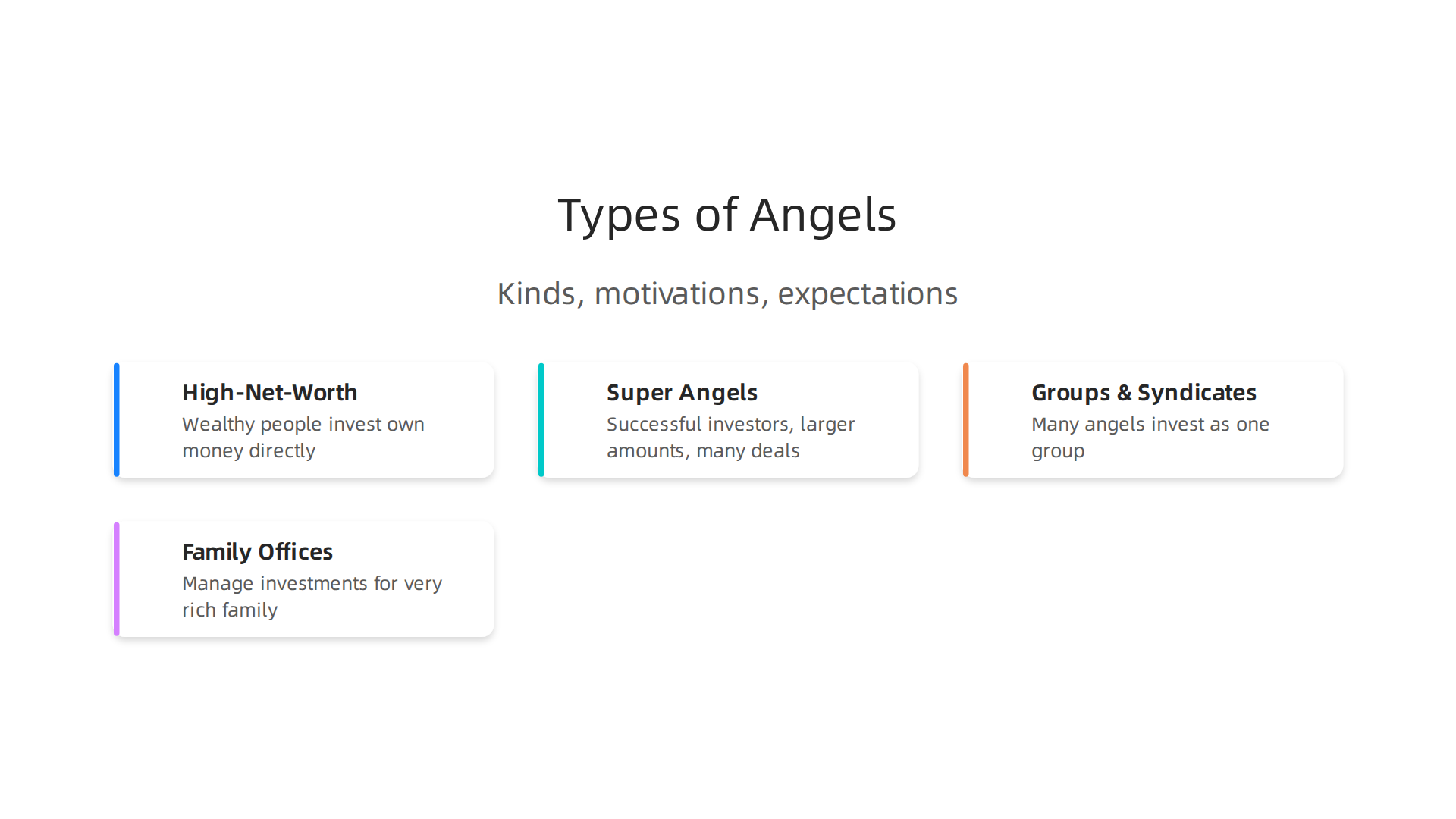
- High-Net-Worth Individuals (HNWIs): These are wealthy people who invest their own money directly into companies. They might be retired business owners or successful professionals. They often invest alone and might be very hands-on or simply offer money.
- Super Angels: These are angel investors who have been very successful. They often invest larger amounts and do many deals. They might even act like a small venture capital firm, bringing lots of experience and connections to the table.
- Angel Groups and Syndicates: This is where many individual angels come together to invest as one. A "lead" investor finds the deal, does the checking, and then invites others to join. This allows them to put larger amounts of angel investor funding into a startup. In 2026, about 40% of all angel money in the U.S. flows through these groups and syndicates, showing how popular this way of investing in startups has become. This trend helps streamline the process for founders, too, as they deal with one group instead of many individual investors.
- Family Offices: These are private companies that manage the investments and wealth for a very rich family. They can invest in startups directly, often looking for long-term growth and new technologies.
The big reason angel investors put their money into new businesses isn’t just about getting rich. Of course, they want a good return, but they often have other reasons too. Many want to help new ideas grow, support other entrepreneurs, or stay connected to the startup world. They usually expect a high return because early-stage businesses are risky. This is different from bigger institutional seed funds, which often have stricter rules about the types of returns they need to show their own investors.
Founders working with angel investors can expect different levels of involvement. Some angels will be mentors, offering advice and opening doors to their networks. Others might ask for a spot on your company’s board, especially if they have a lot of helpful experience. The goal is often more than just money; it’s smart money that comes with guidance.

For example, reports show that angel groups have been putting more capital into fewer, more carefully chosen companies, signaling they’re looking for strong potential and want to be involved in shaping success, according to the ACA Publishes 2026 Angel Funders Report. This careful approach helps both founders and investors succeed in the exciting world of small business venture capital.
Now that you know the different kinds of angel investors, it’s helpful to look at the bigger picture. What are the current trends in angel investor funding?

And what signals should founders and investors watch out for in 2026? Knowing these things can help you make smarter choices.
Funding Trends and Valuation Signals for Angels in 2026
The world of startup funding is always changing. In 2026, we see some clear patterns for angel investors and the companies they support.
Key Funding Trends
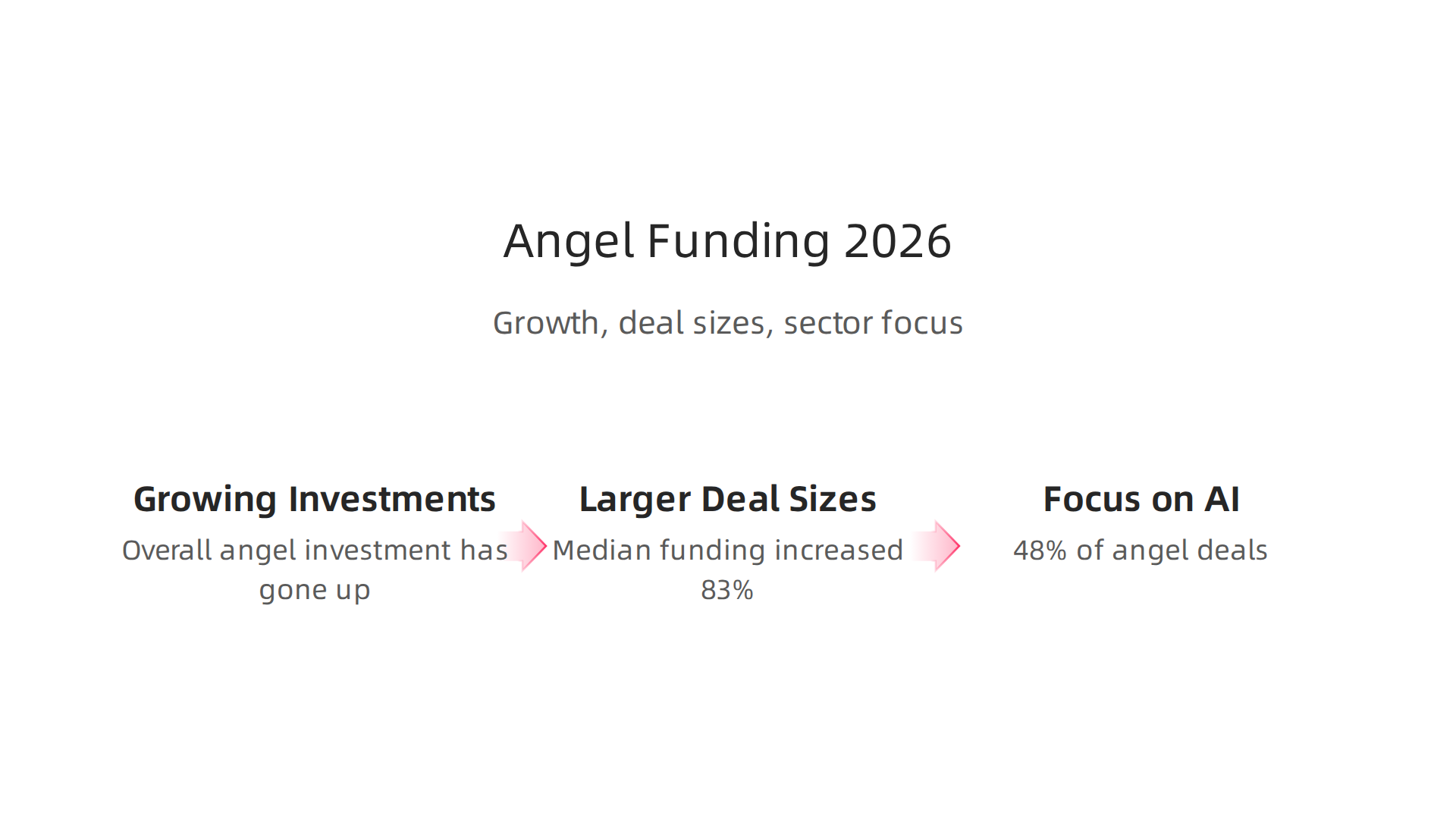
Angel investors are putting more money into fewer, more carefully chosen companies. This means they are being very picky about where their money goes, looking for strong potential. A report on angel groups found they deployed more capital per investment, showing they want to be more involved in shaping success.
- Growing Investments: Overall angel investment has gone up. For example, angel investment increased by 12% from 2024 to 2025 in reports from the ACA ACA Publishes 2026 Angel Funders Report.
- Larger Deal Sizes: The amount of money in each funding round is also getting bigger. The median startup funding round increased by 83% from January 2025 to July 2026, reaching $5.5 million according to a state of angel investing report [The State of Angel Investing (2025–2026) – AngelBacked]. This shows that while there might be fewer deals, the ones happening are larger.
- Focus on AI: A big part of where angel investor funding is going is into Artificial Intelligence (AI) and deep technology. In 2026, about 48% of all angel deals are in AI and deeptech startups. This makes AI the top sector for these investments Angel Investor Statistics 2026: Startup Capital Insights Now. This trend highlights the exciting opportunities in AI. You can learn more about how to find promising opportunities in this space by exploring the AI market landscape 2026 global investment and future trends.
Understanding Startup Valuations
For founders, knowing how much your startup is worth is key. This is called valuation. In 2026, valuations have changed, especially for AI companies.
- AI Premium: Startups that focus on AI often get higher valuations. At the seed stage, AI startups have a valuation that is about 42% higher than companies not focused on AI Seed-Stage AI Startups Are Flashing Record Revenue …. This means angel investors see more value in these companies from the start.
Founders should look at recent deals in their industry and for similar types of businesses to figure out what their company might be worth. This helps them ask for a fair amount of angel investor funding.
What Affects Angel Activity?
Several big things can change how much angel investors are willing to invest and where they put their money.
- Exit Markets: This refers to how often startups get bought by bigger companies or go public. When there are many successful exits, it makes angels more likely to invest, as they see a clear way to get their money back and make a profit.
- Government Rules and Tax Breaks: Governments can help or hurt angel investing with their rules. In 2026, many places offer tax benefits for angel investors. For example, some investors can get tax breaks when investing in small businesses, as explained in guides like the 2026 High Net Worth Angel Investing Taxation Guide. Also, states like New York are looking at new tax credits for angels NY Angel Investor Tax Credit 2026 Bill, and states like Kentucky offer up to a 40% tax credit Angel Investment Tax Credit in Kentucky. Staying updated on these rules is important for both sides of investing in startups.
- AI Changes: The fast growth of AI itself can change angel activity. New breakthroughs in AI can open up new areas for investment, drawing more capital.
To stay on top of these fast-moving changes, founders and investors need reliable information.
Get clear daily AI updates from The AI Newsletter Worth Reading.
To invest wisely, angel investors for startups need to look closely at each business. This careful checking is how they decide if a startup is a good place to put their money. Both founders seeking angel investor funding and those investing in startups need to understand this process.
3) How angel investors evaluate startups: criteria, diligence, and red flags
When angel investors look at a startup, they have a checklist in their minds. They are trying to find strong companies that can grow big. Here are the main things they care about:
- The Team: Who is running the show? Investors want to see a strong team with the right skills and experience. They also look for how committed the founders are, asking if they are working on the startup full-time. The team should have different skills that work well together, like one person good at tech and another good at business. If founders give different answers to important questions, it can be a red flag for angels Angel Investor Due Diligence Checklist for Tech Startups.
- Traction: This means showing proof that your idea actually works. Have you made sales? Do you have happy customers? Even small wins can show that your business is gaining momentum. This helps investors see that your idea is not just a dream, but something real.
- Market Size (TAM): Angels want to know if enough people will buy your product or service. They look for a big enough market for the startup to grow a lot. For a startup to give a big return, the market should be at least $1 billion in size Due Diligence Checklist: Angel Edition.
- Defensibility: What makes your startup special? Why can’t someone else easily copy your idea? This could be unique technology, a strong brand, or special agreements. For example, if you have a special AI technology, that could make your startup hard to copy. This helps ensure your small business venture capital investment is protected.
The Due Diligence Process
Once an angel investor is interested, they start a deeper check called "due diligence." This is like checking all the facts before buying something important. It’s a key part of investing in startups. Due diligence means looking closely at the startup’s team quality, market chances, sales numbers, product strengths, money health, and legal papers before making an investment Angel Investor Due Diligence Checklist (2026).
During this time, angels will:
- Check everything: They will look at your financial records to make sure your numbers match what you told them. They’ll also check legal documents.
- Talk to people: They might call people you’ve worked with before, like former bosses or co-workers, to learn more about you and your team Startup Due Diligence Checklist for Angel Investors (2026).
- Review cap table: This is a list of who owns what parts of the company. Investors want to make sure the founders are properly set up with vesting, which means they earn their ownership over time. This makes sure founders stay committed to the company’s success Due diligence for angel investors: the full checklist.
Founders often wonder how to find private investors for small business AI startups in 2026 and this due diligence process is part of it.
Common Red Flags That Deter Angels
Angels are always on the lookout for problems that might make an investment risky. Here are some red flags:
- Inconsistent Information: If the numbers in your pitch don’t match your financial records, that’s a big problem How to Prepare for Investor Due Diligence.
- Bad Team Dynamics: If the founders are fighting, or if many important people leave the company early, it can make investors nervous.
- Unrealistic Expectations: If a founder thinks their market is huge without good reasons, or sets prices too high, angels might walk away. Also, hiring too many people before the product is truly ready can be a sign of trouble Mastering Angel Investing Due Diligence.
- Hidden Problems: Not telling investors about lawsuits or debts you owe can end a deal quickly.
Founders should be honest and open during this process. If there are problems, it’s better to explain them upfront and show how you plan to fix them. This builds trust, which is very important for attracting angel investors for startups. To learn more about how to get ready for these conversations, consider exploring how to maximize AI startup funding explore every capital solution.
After a startup passes the careful checks of due diligence, the next step is to agree on the terms of the investment. This part is called "structuring the seed deal." It’s where founders and angel investors for startups decide how the money will be put into the company and what the investors will get in return. Getting this right is very important for the future of the startup.
Common Investment Tools
In 2026, most early funding for startups uses special types of agreements instead of selling company shares right away. These are usually quicker and simpler.
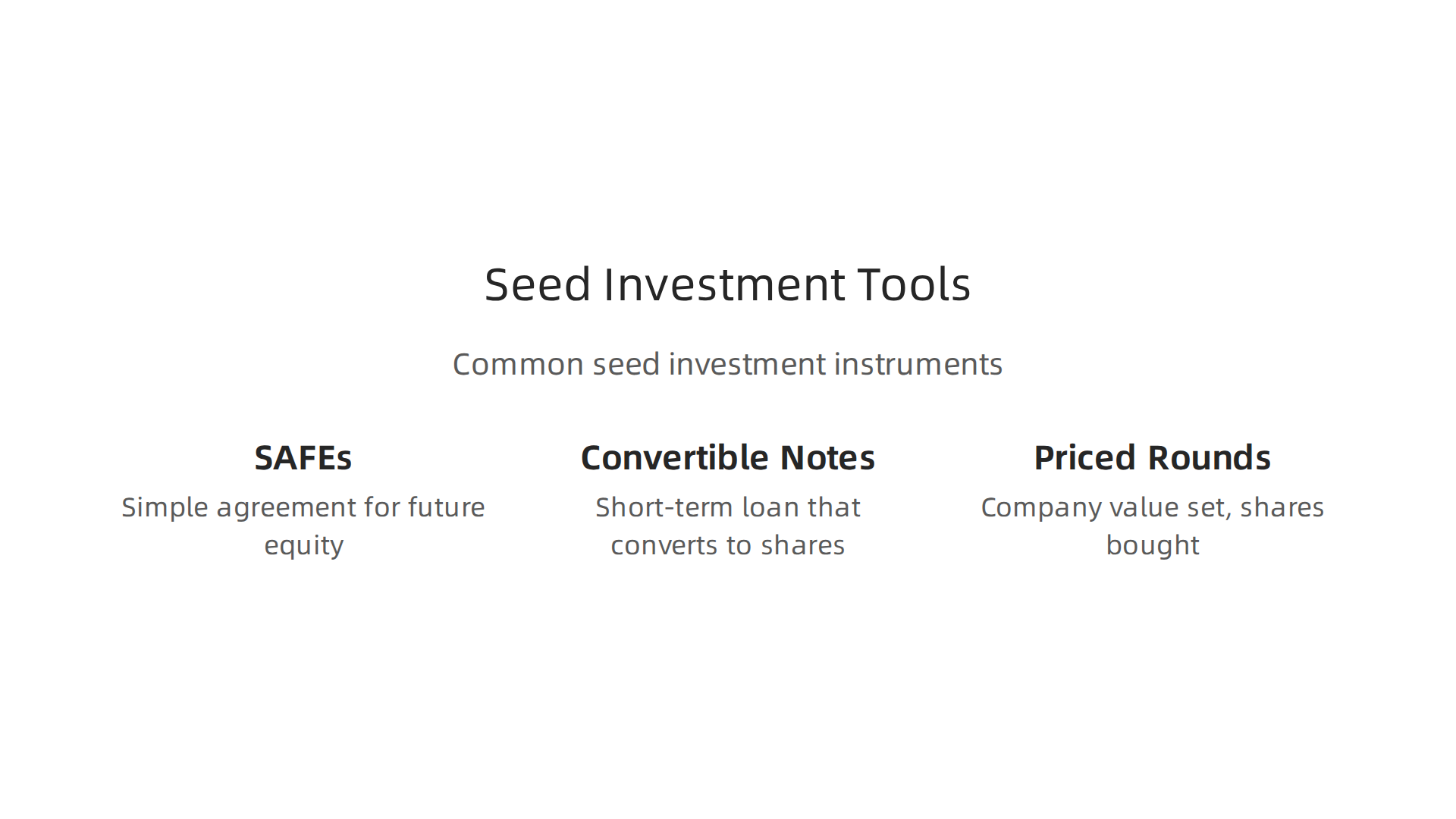
- SAFEs (Simple Agreement for Future Equity): This is the most common way to get early
angel investor funding. A SAFE is not a loan and doesn’t have an interest rate or a maturity date. Instead, it gives investors the right to get company shares later, usually when the startup raises a bigger round of funding. About 64% of seed deals use SAFEs, and over 90% of early-stage funding rounds under $4 million use SAFEs or convertible notes Convertible Notes for Startups: Caps, SAFEs & 2026 Guide. In fact, most SAFEs today include a valuation cap, making them very popular The Entrepreneurs Report: Private Company Financing Trends. - Convertible Notes: These are like a short-term loan that can turn into company shares later. They usually have an interest rate and a maturity date, meaning the loan has to be paid back or converted by a certain time. While still used, their share in seed deals is smaller, making up about 7% of early-stage instruments in 2026 What Carta’s Q1 2026 Pre-Seed Report Tells Founders.
- Priced Rounds: This is a more traditional way of investing where the company’s value is set right away, and investors buy shares at a specific price. This is often used in later funding rounds when the startup is more established and has a clear value.
Key Negotiation Points
When investing in startups, angel investors and founders talk about several important terms:
- Valuation Caps: A valuation cap sets a maximum price for when the investor’s SAFE or convertible note converts into shares. This protects the early investor. For instance, in 2026, a typical pre-seed SAFE for non-AI startups might have a cap between $6 million and $10 million. AI/ML companies, however, often see higher caps, ranging from $12 million to $25 million at the pre-seed stage What Is the Valuation Cap Standard for SAFE Notes in 2026?.
- Discounts: Sometimes, investors get a discount on the share price when their investment converts. This means they get shares cheaper than new investors in the next funding round. This discount can be around 15% to 20% SAFE vs Convertible Notes for Spinouts – CASRAI.
- Pro Rata Rights: These rights let early investors put in more money in future funding rounds to keep their ownership percentage the same. This is important for those who want to continue
investing in startupsas they grow. - Board/Observer Seats: Bigger
small business venture capitalinvestors might ask for a seat on the company’s board or a spot as an observer. This lets them have a say or watch how the company is run. - Liquidation Preferences: This term means that in case the company is sold or closes down, investors get their money back before founders or other shareholders.
Founder-Friendly Practices
For founders, it’s a balancing act to get the money they need without giving away too much of their company too soon. It’s important to understand how these deals affect your ownership in the long run. Negotiating fair terms helps keep founders motivated and shows future investors that the company is managed well. If you are looking to secure capital and grow your business, it helps to understand how to mastering AI startup funding to identify and secure capital in 2026.
Staying up to date with the latest trends in startup funding and investment terms can give you an edge.
Get clear daily AI updates from The AI Newsletter Worth Reading.
When you are ready to get angel investor funding for your startup, finding the right people to invest is super important. It’s like finding the perfect partner for your journey. This step is about figuring out where these angel investors for startups hang out and how to get their attention in a good way.
Sourcing Angel Investors: Platforms, Networks, and Outreach That Actually Work
Finding small business venture capital or angel investors takes a plan. You can’t just send emails to everyone. You need to know where to look and how to reach out.
Here are some places to find helpful investors:
- Online Platforms and Syndicates: In 2026, many
angel investors for startupsgather on special websites. These platforms let many investors put smaller amounts of money together into one big investment. Popular ones include AngelList, SeedInvest, and Republic, which offer different features for investors and founders alike. OurCrowd is known for international deals, especially in Israel and Europe 15 Best Angel Investing Platforms: 2026 Guide. - Angel Networks: These are groups of
angel investors for startupswho work together. They often meet up or have online portals where startups can present their ideas. These networks can be a great way to find investors who are already interested in a certain type of business. - Accelerators and Incubators: These programs help new companies grow quickly. They often come with some
angel investor fundingand connect you with a network of experienced mentors and investors. Even if you don’t join a program, knowing which investors work with them can point you in the right direction. - Alumni Networks: If you went to a university or worked at a big company, your alumni network can be a hidden gem. Former classmates or colleagues who are now successful
investing in startupsmight be looking to help new businesses. - Targeted Outbound: This means reaching out directly to specific investors you think would be a good fit. This takes more work, but it can be very effective if done right.
How to Evaluate and Prioritize Prospects
Once you find potential angel investors for startups, you need to decide who to focus on. Not every investor is right for every startup.
Think about these things:
- Lead Propensity: How likely is this investor to actually put money into your company? Look at their past investments. Do they invest in companies like yours?
- Check Size: How much money do they usually invest? If you need a lot of money and they only invest small amounts, it might not be a good use of your time. For example, AngelList syndicates typically see investments from $25,000 to $100,000 Best Angel Investor Platforms 2026: Ranked by Deal Flow.
- Domain Fit: Does the investor understand your business? Do they have experience in your industry? An investor who knows your market can offer more than just money; they can give good advice.
- Connection Strength: A warm introduction from someone they trust is always best. A warm intro can lead to a reply rate of 40% to 70%, much higher than cold emails 2026 Investor Outreach Benchmark Report – Angels Partners.
Templates and Cadence Guidance for Outreach That Increases Reply and Diligence Interest
When you reach out, how you do it matters a lot. You want to be clear, short, and show why you’re a good fit.
-
Crafting Your Message:
- Email 1 (Initial Fit-Check): Keep it short. Introduce yourself, your startup, and why you think you’re a good match for them. Highlight a key achievement or market insight.
- Email 2 (Polite Bump): Send this 4 to 6 days later if you don’t hear back. Just a quick reminder, maybe with one new interesting point about your progress.
- Email 3 (Proof Point): If still no reply after another week, send a third email with a fresh piece of good news or a key number.
- Email 4 (Traction Update): Around week three, share a significant update on your growth or customer success.
- Email 5 (Close-the-Loop): If you still haven’t heard back after about a month, send a final email that assumes they’re busy and wishes them well. This keeps the door open politely for the future Investor Outreach in 2026: Templates, Cadence & ….
-
Timing Your Follow-Ups:
- Send your first follow-up within 2 to 5 business days after your first message.
- After that, space your messages out, typically 1 to 2 weeks apart.
- Aim for 3 to 5 follow-ups over about a month.
Knowing how to find and talk to angel investors for startups is a key skill for any founder. It’s not just about getting money; it’s about building relationships that can help your company grow for years. For founders aiming to secure capital, understanding how to mastering AI startup funding to identify and secure capital in 2026 is vital. Staying informed about the latest trends in the fast-moving AI world can give you a real advantage. Get clear daily AI updates from The AI Newsletter Worth Reading.
After building those important connections with angel investors for startups, the next big step is talking about the deal itself. This means looking at the rules and money details. It’s super important to know what you are agreeing to so you can protect your company for the long run.
Negotiating Terms and a Quick Legal Checklist for Founders
When you get an offer for angel investor funding, it’s exciting! But don’t sign anything right away. This is where you talk about the specific terms. Most early deals in 2026, especially those under $4 million, use simple documents like SAFEs (Simple Agreement for Future Equity) or convertible notes instead of complex stock deals right away. About 90% of early-stage funding uses these kinds of agreements today State of Seed Funding 2026 — Sizes, Valuations & Odds.
Here are key things to check and talk about:
- Valuation Cap: This is a top price for your company that investors agree on now. If your company grows a lot, the investor still gets their shares at a lower price, which is good for them. In 2026, the median SAFE valuation cap is often between $6 million and $10 million for pre-seed startups What Is the Valuation Cap Standard for SAFE Notes in 2026?. You need to make sure this cap is fair for your company’s growth potential.
- Discounts: Sometimes, investors get a discount on future stock prices. This means they pay less per share than new investors later on.
- Information Rights: Investors might ask for regular updates on your business. You should agree on what kind of information you’ll share and how often.
- Board Composition: For
small business venture capitalfromangel investors for startups, you might talk about who gets to be on your company’s board of directors. You want to make sure your board has the right mix of people who can help your company grow.
Legal Items to Confirm Before Signing
Before you shake hands and sign, you need to make sure your company’s paperwork is neat and tidy. This will stop problems later.
- IP Assignments: This means making sure your company fully owns all the ideas, inventions, and brand names your team has created. Every founder and employee should sign papers that give their work to the company.
- Employee Equity: Clearly list how much of the company each founder and employee owns, or has the chance to own. This is called your "cap table" and needs to be very accurate. An important step is to audit your cap table and founder/advisor equity and fix any mistakes now.
- Outstanding Obligations: Check for any old promises or debts your company has. These could be loans, past agreements, or even small contracts. You need to know what they are and how they might affect new
angel investor funding.
When to Hire Specialized Legal Help
It’s a smart move to bring in a lawyer who knows a lot about investing in startups and startup deals. They can help you understand all the legal words and make sure the deal is fair for everyone. They will help you think through questions like:
- Are these terms normal for a company like mine in 2026?
- What happens if my company doesn’t do well?
- How much control will I keep over my company?
Having a good legal advisor by your side means you can negotiate better and avoid tricky problems that might pop up after the money comes in. For deeper insights into navigating the world of capital, you might find it helpful to explore more about PE and VC firms your strategic guide to AI funding success.
After understanding the legal steps, it’s also super important to know that the rules for angel investor funding can change a lot depending on where you are. This means both the startup and the angel investors for startups need to look closely at the region or country involved. Different places have different tax rules, ways companies are set up, and even who can invest.
Tax Breaks for Angel Investors
One of the biggest reasons to look at regional rules is for tax incentives. Many governments want to help small business venture capital grow, so they offer special tax breaks to people who invest in new companies. For example, in the US, angel investors who hold Qualified Small Business Stock (QSBS) for more than five years can avoid paying federal tax on a lot of their gains in 2026 2026 High Net Worth Angel Investing Taxation Guide – Uncle Kam.
Other places also have their own ways to help. New York State, for example, is looking at a bill that would give a 25% tax credit to angel investors who put money into early-stage New York businesses NY Angel Investor Tax Credit 2026 Bill. New Jersey offers even higher credits, up to 35% of an investment in some tech companies, with an extra bonus for investing in minority-owned businesses Regulatory Changes and Angel Investing: What’s Coming in 2025 …. Even places like Japan and Taiwan offer tax benefits for investing in certain startups エンジェル投資に対する措置 (METI/経済産業省) and 2026天使投資人租稅優惠:投資新創50萬、持股3年與所得減除指南 | Indexia. These incentives make your startup more appealing to investors and can help them save money, which is a win-win.
Investing Across Borders
Sometimes, an angel investor might be in one country, and the startup they want to invest in is in another. This is called cross-border investing in startups. It can make things a bit more complicated. You might have to deal with different laws, currencies, and even different ways of doing business. This can lead to higher legal costs and longer times to get a deal done.
To make things smoother, both the investor and the startup should get advice from lawyers or experts who know the laws in both places. This helps make sure everyone understands the deal and avoids problems later. Always find resources that give specific advice for the regions you are dealing with. Staying updated on these ever-changing rules is key. For a helpful way to stay on top of the latest information, consider subscribing to The AI Newsletter Worth Reading for clear daily updates. If you are looking for guidance on finding investors, you might also find this useful: how to find private investors for small business AI startups in 2026.
Summary
This guide explains how angel investors fuel early-stage startups in 2026 and gives founders practical steps to find, evaluate, and close seed-stage funding. It defines different angel types (HNWIs, super angels, syndicates, family offices), shows current funding trends (larger rounds, AI focus), and breaks down what angels evaluate—team, traction, market size, and defensibility. You’ll learn the common investment instruments used today (SAFEs, convertible notes, priced rounds), key negotiation points (valuation caps, discounts, pro rata rights), and how to prepare for investor due diligence. The article also covers outreach strategies, where to source investors, and a simple outreach cadence with templates to increase reply rates. Finally, it outlines essential legal items and regional tax incentives founders and investors should check before signing. After reading, founders will know how to prioritize prospects, negotiate founder-friendly terms, and avoid common red flags during fundraising.