
Mastering AI Startup Funding to Identify and Secure Capital in 2026
Overview
The world of Artificial Intelligence (AI) is booming, and money is pouring into it at an amazing speed. In fact, in just the first three months of 2026, private AI funding around the globe shot up by 216% compared to the end of 2025. This means more than $226 billion was invested in that one quarter alone, already more than all of 2025’s total funding [CB-Insights_Artificial-Intelligence-Report-Q1-2026.pdf]. This huge growth makes the AI market very exciting for both people starting new AI companies and those looking to invest.
But here’s the thing: with so much money and so many new ideas, it can be really hard to find the best opportunities.

Imagine trying to find a specific type of united capital funding in a giant, noisy market. For founders, it’s tough to know which investors are right for their specific AI ideas. For investors, it’s hard to tell which startups are truly groundbreaking and which are just following a trend. Decision-makers often feel swamped by too much information and finding reliable funding sources is like trying to put together a puzzle with pieces from many different boxes. It’s a big challenge to identify the right align capital partners, learn about new funds like mj capital funding, or explore options from groups like clover capital without wasting a lot of time.
This guide is here to help you cut through that noise. We will map out clear paths to finding money, give you simple ways to check if an opportunity is good, and show you how to keep track of the best options. Whether you are searching for specific united capital funding for your new AI project or looking to invest wisely in the next big AI company, we will give you useful steps and insights. Our goal is to make sure you can easily spot high-value opportunities and make smart decisions in the fast-paced AI world.
To stay on top of all the rapid changes in AI and never miss out on key funding insights, consider a helpful resource.
The AI Newsletter Worth Reading offers clear daily AI updates. You can also explore how to maximize AI startup funding by looking into every capital solution.
Market overview: Where capital for AI is concentrating in 2026
So, where exactly is all this money going? In 2026, the global AI market is seeing certain areas get much more funding than others. Think of it like a magnet pulling united capital funding to specific spots.
The United States continues to lead the way. It remains a powerful center for new AI ideas and funding. For example, in 2024, private investment in AI in the U.S. was far greater than in places like China or the U.K., showing it’s a major hub for AI development and funding The 2025 AI Index Report | Stanford HAI. This strong leadership is due to a mix of talented people, many research labs, and a welcoming environment for new businesses. Other regions, like Asia/Pacific, are also seeing significant venture capital funding for AI companies, even if the total number of deals might sometimes vary IDC: AI Venture Funding in Asia/Pacific Reaches USD 15.4 Billion Despite Deal Slowdown. If you want a deeper dive into the overall AI market, check out our guide on the AI Market Landscape 2026 Global Investment and Future Trends.
Within the AI world itself, some types of AI are getting a lot of attention. Generative AI, which creates new content like text or images, is a huge magnet for money. In 2025, companies working on generative AI received a large part of all private investment, showing a big jump from the year before Economy – hai.stanford.edu. This focus on generative AI shows a strong belief in its power to change many industries, from marketing to product design. Beyond generative AI, money is also flowing into core AI areas such as infrastructure, research, and how AI is managed. These fundamental areas attracted tens of billions in private investment in 2024 because they are the building blocks for all other AI applications AI Investment By Country Statistics 2026. Knowing where this capital is concentrating helps both founders decide where to focus their efforts and investors pinpoint where the biggest returns might be.
Understanding these hot spots is vital, but how do you really know which specific companies or projects are worth your time? For founders and investors looking to align capital partners or explore options from groups like mj capital funding or clover capital, it is smart to watch key indicators.
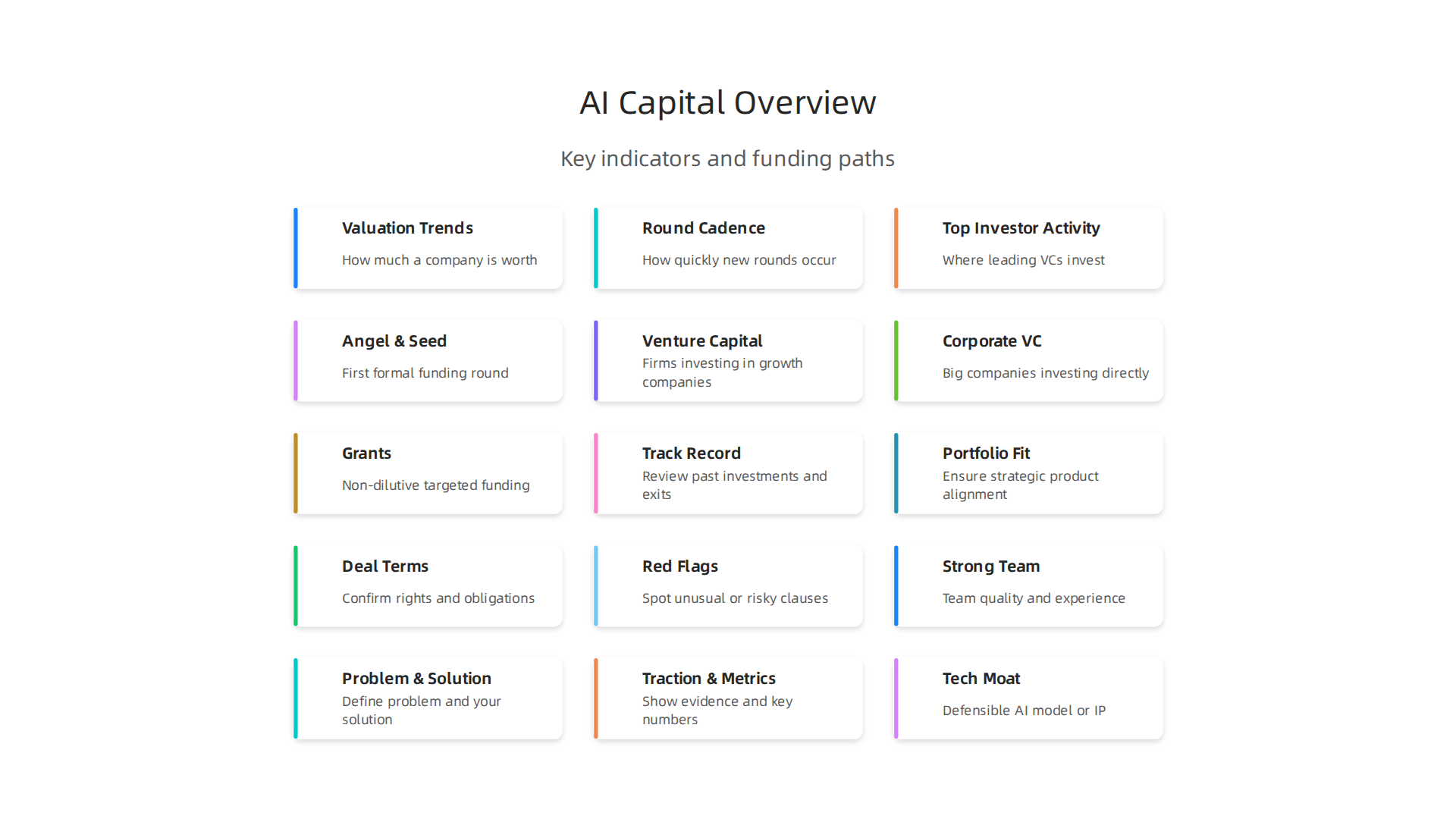
These tell you where the market is really heating up and can help you make smarter choices about united capital funding:
- Valuation Trends: This is how much a company is believed to be worth. If valuations are soaring, it often means investors are very excited about that part of the AI market.
- Round Cadence: This refers to how quickly companies are raising new rounds of funding. Fast, regular funding rounds suggest strong investor confidence and rapid growth.
- Top Investor Activity: Pay attention to where leading venture capital firms and big names are putting their money. Their actions often point to the next big trends and where
united capital fundingmight be heading next.
By carefully watching these signs, you can better understand the flow of united capital funding and make informed decisions in the fast-moving AI investment landscape. This helps you to either find the right investors for your startup or pick the best companies to put your money into. To learn more about finding promising investments, explore how to spot high potential AI companies to invest for 2026 growth.
Understanding these hot spots is key, but knowing which funding path is best for your own idea is even more important. When looking to align capital partners or explore options from groups like mj capital funding or clover capital, it helps to know the different ways you can get united capital funding. There are several common types of funding, each suitable for different stages of a business.
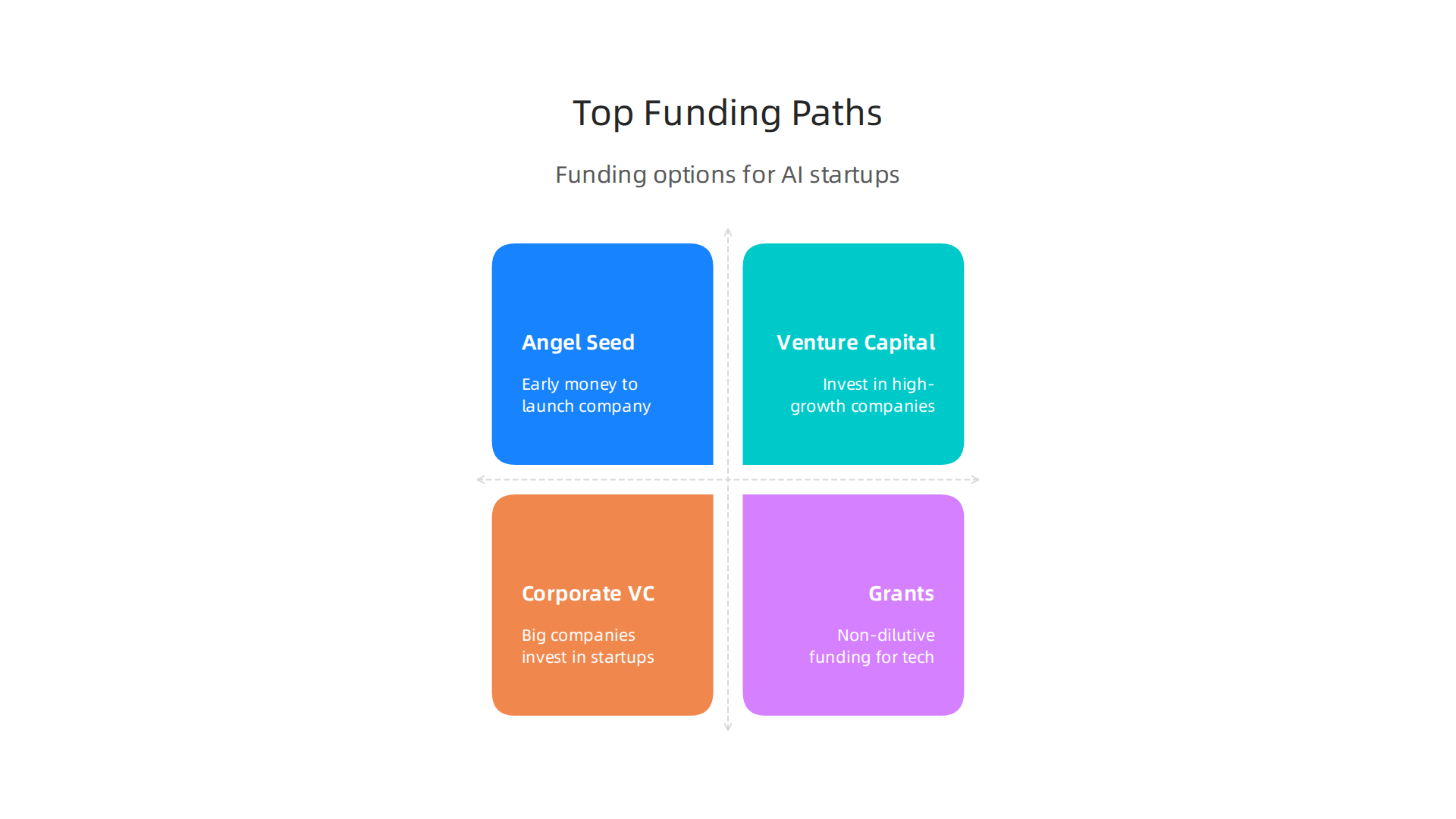
Early Stage Funding: Angels and Seed Capital
When you’re just starting out with an AI idea, you might look for "angel investors" or "seed capital". Angel investors are usually wealthy individuals who invest their own money into new businesses, often in exchange for a small part of the company. Seed funding is the very first official money a company raises, used to get the business off the ground. It can come from friends, family, or angel investors, with typical amounts ranging from $50,000 to $250,000 in early 2026 Early Stage Private Equity. These early investors are important because they take on high risks when a company is still very new and unproven Early-Stage Investors. To learn more about this, check out how to find private investors for small business AI startups in 2026.
Venture Capital (VC) Funding
As your AI startup grows and shows promise, you’ll likely seek venture capital. VC firms manage money from big investors to put into companies with high growth potential. These firms are like guides, helping early-stage companies grow quickly. They often invest larger amounts than angel investors, helping companies through different "rounds" of funding like Series A, B, and C. In 2026, the VC market is seeing a "barbell" effect, with lots of money going to very late-stage AI companies and also to disciplined early-stage bets, leaving the middle a bit empty Venture Capital Trends 2026: The Bifurcated VC Market. Venture capitalists are active partners, often helping with management and strategy because they have "skin in the game" with their investments. If you want to understand more about this, explore the Venture Capital Meaning Demystified for AI Founders and Investors.
Corporate Venture Capital and Strategic Partnerships
Sometimes, big companies invest directly in smaller AI startups. This is called Corporate Venture Capital (CVC). It’s not just about money; these investments often come with strategic benefits like access to the larger company’s customers, technology, or expertise. These partnerships can be very helpful for startups looking to quickly grow or reach new markets. Beyond CVC, general strategic partnerships with other companies can also provide resources, joint development opportunities, or distribution channels, all of which can reduce the need for pure cash funding.
Grants and Specialized Capital Sources
For some AI projects, especially those with a focus on research, public good, or specific technologies, grants can be an excellent source of non-dilutive united capital funding. This means you get money without giving up any ownership of your company. Government agencies, foundations, or special programs often offer grants. Additionally, there are specialized funds that focus on particular industries or types of AI, which can be a great fit if your company aligns with their mission.
Choosing the right funding path means looking at your company’s stage, how unique your intellectual property (IP) is, and how you plan to sell your product or service. Matching your needs with the right type of united capital funding partner is a crucial step for success.
For more detailed daily updates on AI and technology intelligence, make sure to get clear daily AI updates from The AI Newsletter Worth Reading.
Choosing the right funding path means looking at your company’s stage, how unique your intellectual property (IP) is, and how you plan to sell your product or service. Matching your needs with the right type of united capital funding partner is a crucial step for success.
How to evaluate a named opportunity like ‘United Capital Funding’
Once you know the different kinds of funding out there, the next big step is to carefully check any specific investor or funding group that shows interest in your AI startup. This is true whether you’re looking at a big name like United Capital Funding or other partners like mj capital funding or clover capital. You need to make sure they are the right fit for you. Think of it like picking a team; you want teammates who can truly help you win.

Here’s a checklist to help you validate any investor or funding program:
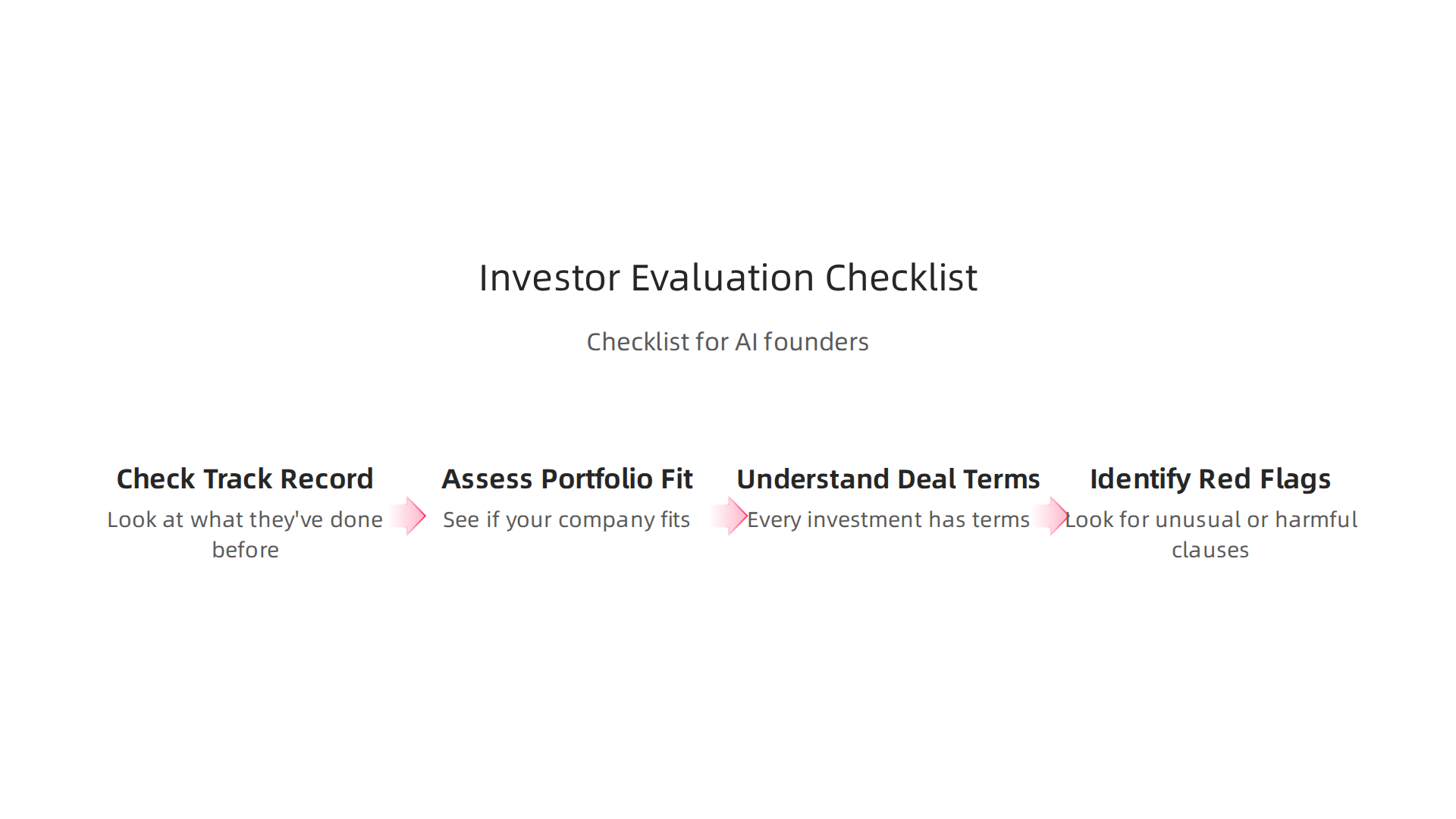
1. Check their track record
Look at what they’ve done before.
- Past Investments: Have they invested in companies like yours? Did those companies do well? If an investor has a history of early success, it can often lead to future success in their investments, as seen in venture capital data Evidence from Venture Capital.
- Fund Performance: It’s important to understand how their previous funds have performed. Sometimes, early good results can be misleading and used to attract more money for new funds, but these may not perform well over time, especially very large funds We Have Met the Enemy And He is Us.
- Support for Startups: Do they offer more than just money? Good investors often provide helpful advice, connections, and support to their portfolio companies. This kind of non-financial help is a key part of how venture capital funds grow companies The Lifecycle of Venture Capital Funds.
2. See if your company fits their portfolio
- Industry Focus: Does the investor usually put money into AI companies or businesses in your specific area?
- Stage of Investment: Do they typically invest in companies at your stage (seed, early, growth)? A good fit here means they understand your needs.
- Value-Add: How will they help your company grow? It’s like asking, "What special skills do they bring to the table?" They might offer advice on scaling, hiring, or market entry.
3. Understand their typical terms
- Deal Terms: Every investment comes with terms and conditions. These are found in a "term sheet." You need to understand who gets paid what (economic terms), who makes decisions (control terms), and how investors might get their money back later (exit rights) VC Term Sheet Explained: Key Provisions Every Founder.
- Negotiation Patterns: Be ready to talk about these terms. Never sign a term you don’t fully understand The Term Sheet Decoded: What Every Founder Needs to Understand Before Signing in 2026. Knowing which clauses are common and which ones might be less fair is important.
Red Flags and Due Diligence
When you align capital partners, you must also look for warning signs.
- Unusual Clauses: Some terms can be risky for founders, like "participating preferences" where investors get paid back twice, or "protective provisions" that give small investors too much control Founder equity at risk: 5 clauses to watch out for in term. Watch out for these.
- Lack of Transparency: If an investor is unclear about their past results or avoids certain questions, that’s a warning sign.
- Due Diligence is Two-Way: Just as investors check you out, you should check them out. This process, known as due diligence, helps investors understand your company’s product, market, finances, and team Startup Due Diligence: Checklists, Tools & AI Guide. You should also conduct your own due diligence on them. This includes having a detailed data room ready with financial models, cap tables, and product information Investor Due Diligence Checklist AI Template 2026.
To learn more about finding the right financial backing for your company, check out our guide on how to select the best AI capital partners for startup funding in 2026.
Once you have carefully looked at different funding partners, like United Capital Funding, mj capital funding, or clover capital, and decided which ones might be a good fit, your next job is to show them why your AI startup is worth their money. This means putting together a strong application or pitch. Think of it as telling your company’s story in a way that truly makes investors excited.

Here’s what investors usually want to see in a winning pitch:
What Investors Expect from AI Startups
When you align capital partners, they’ll focus on a few key things:
- The Team: Investors bet on people first. They want to see a smart, skilled team that can make the idea happen. Highlight your team’s experience, especially in AI or your specific industry.
- The Problem and Solution: Clearly explain a real problem your AI solves. Then, show how your AI product is the best answer. It helps to quantify the problem, meaning, show how much it costs in time or money now, and how much your solution saves. This is a core part of an AI Startup Pitch Deck Template.
- Traction and Numbers: Show proof that your idea works. This means sharing real numbers about how many users you have, how much money you’re making, or how fast you’re growing. Investors look for specific data, like growth rates, customer lifetime value (LTV), and how much it costs to get a new customer (CAC). A good pitch includes actual unit economics, not just guesses for the future Pitch Deck Statistics & Success Rates 2026.
- Your AI Model/Tech Moat: What makes your AI special? Is it built on unique data, a smart algorithm, or a new way of doing things that others can’t easily copy? This is your "tech moat" or "data moat." Show that your results are solid and can be repeated. Also, show you understand your costs, like how much it costs your AI to answer one question, which is important for scaling How to Pitch an AI Startup to Investors in 2026.
Tailoring Your Pitch to Specific Partners
You can’t use the same pitch for everyone. Different investors have different interests.
- Research Each Partner: Before you even send your pitch, learn about the specific investor or funding group. What types of companies do they usually invest in? Do they focus on early-stage startups or bigger ones? Knowing their past helps you tailor your story.
- Highlight What Matters to Them: If a partner like
United Capital Fundingis known for investing in certain kinds of AI, make sure you emphasize how your company fits that mold. If they care about profits, show your path to making money. If they care about growth, focus on your growth numbers. - Keep it Clear and Short: Your main pitch deck should be about 10 to 12 slides. Longer decks can lose an investor’s attention. Make sure each slide has a clear message, and avoid putting too much information on one slide How to Build a Pitch Deck That Gets a Second Meeting in 2026. Always state exactly how much money you need and what you will use it for to reach new goals. This "ask" is crucial to your Pitch Deck Guide: The Four Questions Investors Score.
Getting Ready for Due Diligence
Even before they ask, have your detailed materials ready. This includes a full financial model with clear assumptions, your company’s ownership breakdown (called a cap table), and product details showing how much thought went into your AI. Investors will check these details closely, so being prepared shows you are serious and organized. This full collection of documents is often called a "data room." Having a well-organized Seed-Stage Pitch Deck & Data Room Checklist (2026) can make a big difference.
For more helpful insights on the AI funding world, stay informed.
The AI Newsletter Worth Reading
After showing your AI startup’s value and getting your documents ready, the next big step is negotiation. This is where you and your chosen funding partners, perhaps a group like United Capital Funding, mj capital funding, or clover capital, talk about the details of their investment. This is often written down in a "term sheet," which is a special paper that lays out the main rules of the deal.
Think of the term sheet as a basic agreement. It’s not the final contract, but it shares the important points that both sides have agreed on. Understanding these points is key to protecting your company and your role as a founder. Actually, it is super important to never sign a term you cannot explain well yourself The Term Sheet Decoded: What Every Founder Needs to Understand Before Signing in 2026.
Important Things to Look For in a Term Sheet
When you align capital partners, you’ll see a few types of terms: ones about money, ones about who makes decisions, and ones about what happens if the company is sold VC Term Sheet Explained: Key Provisions Every Founder …. Let’s look at the most important ones for founders:
- Valuation: This is how much your company is worth before the new money comes in. A higher valuation means your existing shares are worth more, and you give up less of your company for the same amount of money. This is usually the first thing everyone talks about.
- Liquidation Preferences: This term decides who gets paid first if your company is sold or goes out of business.
- Non-Participating: The investor gets their money back first OR they can choose to get their share of the company’s sale. They don’t get both. This is usually better for founders.
- Participating: The investor gets their money back first AND then they also get their share of what’s left over. This means they get paid twice, which is often not great for founders because it leaves less money for everyone else Founder equity at risk: 5 clauses to watch out for in term ….
- Control Provisions: These terms talk about who has a say in how the company is run.
- Board Seats: Investors will usually ask for a spot on your company’s board of directors. This gives them a direct voice in big decisions.
- Veto Rights (Protective Provisions): Some investors might want the power to stop certain big company decisions, like selling the company, taking on more debt, or hiring key people, even if they don’t have a majority of the shares. These "protective provisions" can sometimes make it harder for founders to lead their company Founder equity at risk: 5 clauses to watch out for in term ….
When to Push Back or Accept
It’s a dance. You want to be fair, but you also want to protect your vision.
- Standard Terms: Some terms are pretty common and accepting them shows you’re easy to work with. For example, investors often want a certain amount of company stock set aside for future employees (called an option pool). You want this pool to be just right for your hiring needs, not too big, which can lower your company’s value before you even start Term Sheet Negotiation 101: The 12 Clauses That Actually ….
- Push Back on Key Issues: For clauses like participating liquidation preferences or broad veto rights, it’s wise to negotiate. These can greatly impact how much you and your team get paid in the future. Knowing which clauses are "off-market" or unusual can help you decide when to stand firm Deal Review Sprint (3 days). Many founders have found themselves in a "Rich vs. King" situation, where they have to choose between a higher valuation (being "Rich") or more control over their company (being "King") A ‘Rich-vs.-King’ Approach to Term Sheet Negotiations. Sometimes, the right choice depends on your long-term goals.
Negotiation is a skill, and it’s always good to have advisors, like lawyers who know about startup funding, help you. They can ensure you understand every part of the term sheet and help you align capital partners in a way that truly benefits your AI startup’s future. To learn more about how different investment firms operate, check out our guide on decoding leading AI investment firms.
Finding the right funding partners for your AI startup is like looking for a needle in a haystack if you don’t have a plan. After you’ve worked through the details of a term sheet, the next big step is to consistently find and connect with investors. This means having a smart way to track funding news, set up alerts, and understand what different capital partners are looking for in 2026. You want to make sure you can always spot chances to align capital partners who believe in your vision.
Tactical Workflow: Tracking, Alerting, and Sourcing ‘United Capital Funding’ Opportunities
To successfully find and secure funding, you need a clear process. This "tactical workflow" helps you keep an eye on the busy world of AI investment. Many big AI companies got their start because their founders were great at knowing where the money was. With global private AI investment reaching new highs in 2026, especially for generative AI companies, there’s a lot of activity to track, as private investment in AI hit $344.7 billion in 2025 alone, a huge jump from the year before Economy – hai.stanford.edu.
Here are some practical ways to keep up:
- RSS Feeds and Industry News: Think of RSS feeds as a special news channel just for you. You can set them up to get updates from investor blogs, tech news sites, and even specific funding firms like
United Capital Funding,mj capital funding, orclover capital. This way, you hear about new investments or changes in their focus right away. - Smart Alerts: Tools like Google Alerts can tell you when your company’s name, your competitors, or key AI terms appear online. You can also use specialized platforms that send you alerts about new funding rounds or startups gaining traction. These tools act like your personal assistants, constantly scanning the web for important signals. Many modern venture capital firms use advanced tools for deal sourcing and pipeline management to stay ahead, showing just how important these systems are Best Deal Flow Tools for VC Firms (2026).
- Investor Filing Scans: Larger investment firms sometimes have public records of their investments. Keeping an eye on these filings, even if it’s just for bigger funds, can give you clues about who is investing in what kind of AI technology. While this can be complex, understanding it helps you know what types of firms are active.
- Network Signals: Your network is gold. This means talking to other founders, advisors, and even people who work for venture capital firms. They might hear about new opportunities or funds that are actively looking to invest. Attending industry events or joining online communities can help you pick up these important "signals."
Prioritizing Alerts and Taking Action
Getting lots of alerts is good, but you need to know which ones truly matter.
- Filter for Fit: Not every funding opportunity is right for your AI startup. Look for alerts that match your company’s stage (seed, Series A, etc.), your industry, and the amount of money you need. If you’re a young AI startup, you might not be ready for a huge investment from a fund that only backs big, established companies.
- Research the Source: When you see a new funding announcement, check out the investor. Do they have a history of investing in AI? Do they have a good reputation? Knowing this helps you decide if it’s worth reaching out.
- Turn Signals into Outreach: Once you find a promising lead, it’s time to act. This means reaching out to the investor in a thoughtful way. Don’t just send a generic email. Mention why you think your company would be a good fit for their portfolio, based on your research. Showing you’ve done your homework can really make a difference. Tools designed for venture capital can help manage this process, from tracking relationships to keeping tabs on your deal pipeline Best AI Platforms for Private Capital 2026.
- Competitive Intelligence: Tracking what other AI startups are getting funded also gives you valuable insights. It helps you understand market trends, see who your competitors are, and even refine your own strategy.
By setting up these systems, you’ll be much more likely to find and connect with the right funding partners. Having a clear and active approach to deal sourcing means you’re always ready to make a move when a good opportunity comes along. To dive deeper into finding the right investors for your unique startup, consider reading our guide on how to find strategic AI startup funding partners in 2026.
Staying informed about the fast-moving AI investment world is a must for any founder.
Get clear daily AI updates from The AI Newsletter Worth Reading.
Summary
This guide maps the fast-moving AI funding landscape in 2026 and gives founders and investors practical steps to find, evaluate, and secure capital. It explains where money is flowing—geographic hotspots and high-interest AI areas like generative models—then breaks down the main funding types from angel and seed to VC, corporate venture, and grants so you can pick the right path. The article provides a clear checklist to validate named investors (track record, portfolio fit, terms), explains what investors expect in pitches and data rooms, and outlines the crucial term-sheet provisions founders must understand. It also highlights common red flags, a tactical workflow for sourcing leads and alerts, and concrete outreach and negotiation tactics. After reading, you’ll know how to prioritize targets, prepare the materials investors want, spot risky terms, and set up monitoring systems so you don’t miss the next funding opportunity.