
Pre-Market News Strategies for Profitable AI Stock Trading
Overview
Getting an edge in the stock market often means knowing things before everyone else. For folks who invest in or trade AI companies, knowing about pre-market news is super important. It’s like getting a sneak peek at what might happen when the main market opens.
Why pre-market news matters for AI-focused investors and traders
Pre-market news is all the important company information, reports, and big announcements that come out before the regular stock market opens for the day. Think of it as a head start. While the regular market typically runs from 9:30 AM to 4:00 PM Eastern Time in the US, pre-market trading can begin as early as 4:00 AM. This early period lets traders react to news much faster.
In 2026, the world of trading is very fast, with special computer programs and AI helping to process news almost instantly. These tools can even pick up on how news makes people feel about a stock, which can trigger quick buy or sell decisions ar5iv – arXiv. This means that by the time the main market opens, a lot of big moves might have already started. If you’re using platforms like Fidelity for stock trading, understanding these early hours can be key. You can also learn more about how trading hours work in our guide on Master AI Stock Trading Hours for Premarket, After-Hours, and Global Markets.
Special Importance for AI Companies
The AI sector is buzzing with new ideas, big investments, and rapid changes. This makes pre-market news especially valuable for AI-focused investors and traders. Here’s why:
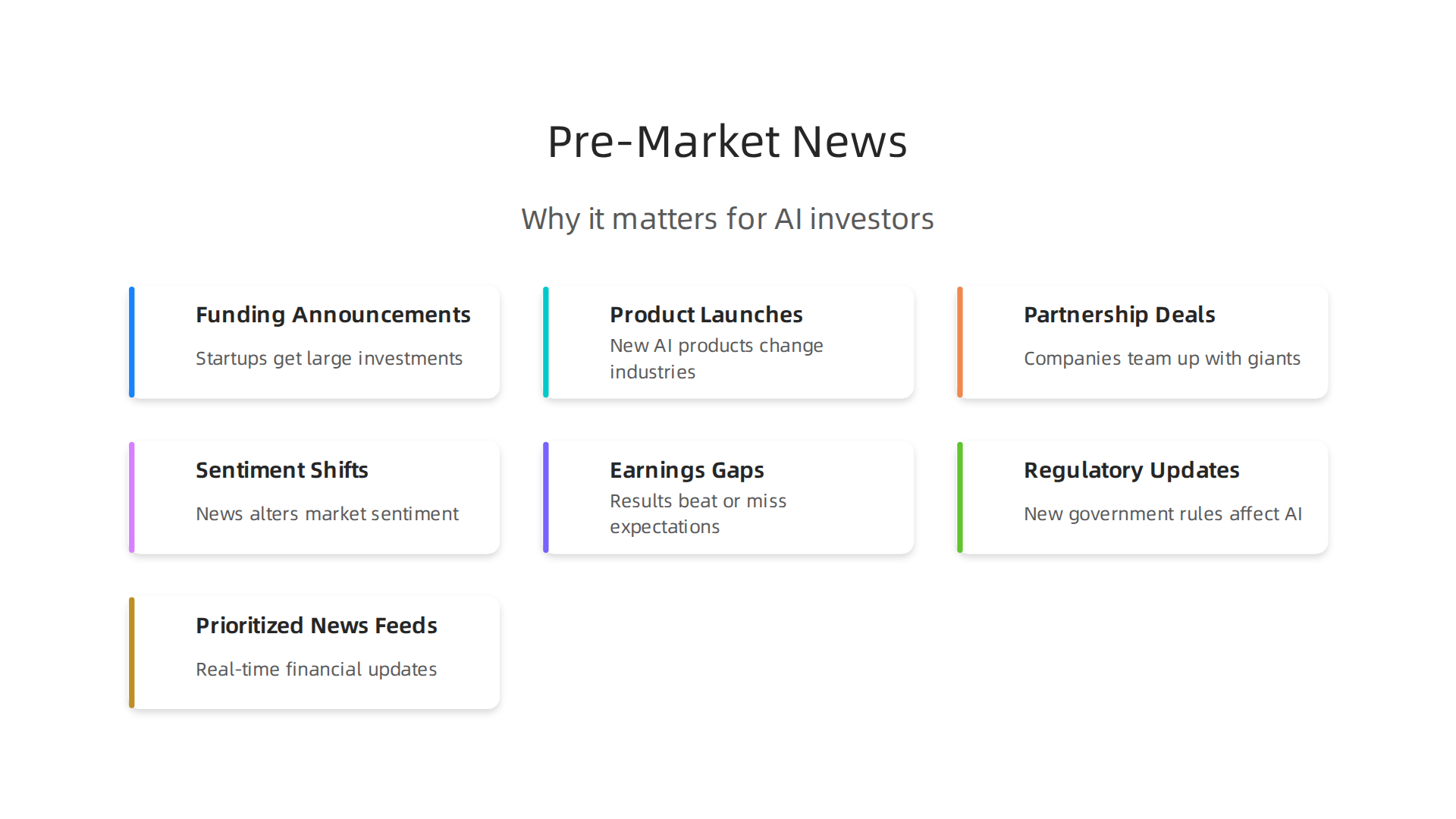
- Funding Announcements: AI startups often get huge amounts of money from investors. When these funding rounds are announced, it can cause a big stir, sometimes even before the market opens. Knowing this early can point to a company’s future growth.
- Product Launches: New AI products or services can change industries. An early announcement of a new AI breakthrough can quickly make a company’s stock more desirable.
- Partnership Deals: When AI companies team up with bigger tech giants, it can be a sign of major success. These deals are often announced outside of regular hours to get maximum attention.
- Sentiment Shifts: News, even if it’s just talk or rumors, can change how people feel about a company or the whole AI market. AI-powered trading tools can even use these feelings to make trading choices News-Aware Direct Reinforcement Trading for Financial …. For example, if there’s news about a major stock market sell off in the tech sector, AI stocks might feel it first.
AI itself is now a big part of how trading works, with smart systems helping to make trades around important news Artificial Intelligence in Day Trading: An Intraday Trading Framework with Economic Indicators and Large Language Model Analysis. This makes the speed of pre-market news even more critical. In today’s market, ultra-fast news feeds and AI are changing how trading happens White Paper 2026: The Future of Economic News ….
Making Sense of the News
With so much information flying around, it’s easy to get lost in the noise. Not all pre-market news is equally important. This article will help you understand:
- Actionable items vs. Noise: How to tell which news truly matters for your AI investments and which you can ignore.
- A smart workflow: A step-by-step way to check and use pre-market information.
- Key metrics: What numbers and signals to look for to guide your decisions.
- Risk controls: How to protect your investments when the market is moving fast, especially if you’re looking at specific stocks like MSTR pre market.
Staying informed about the dynamic AI market can be challenging, but there’s a simple way to keep up.
Get clear daily AI updates from The AI Newsletter Worth Reading.
It’s true that not all pre-market news carries the same weight. Some announcements can make a stock jump or fall significantly, while others are just noise. For investors focused on AI, knowing the difference is key.

Let’s look at the types of pre-market news that really matter.
What Kind of Pre-Market News Really Moves Stocks?
Not every bit of information released before the market opens will cause a major stir. Here are the types of news that reliably lead to big changes:
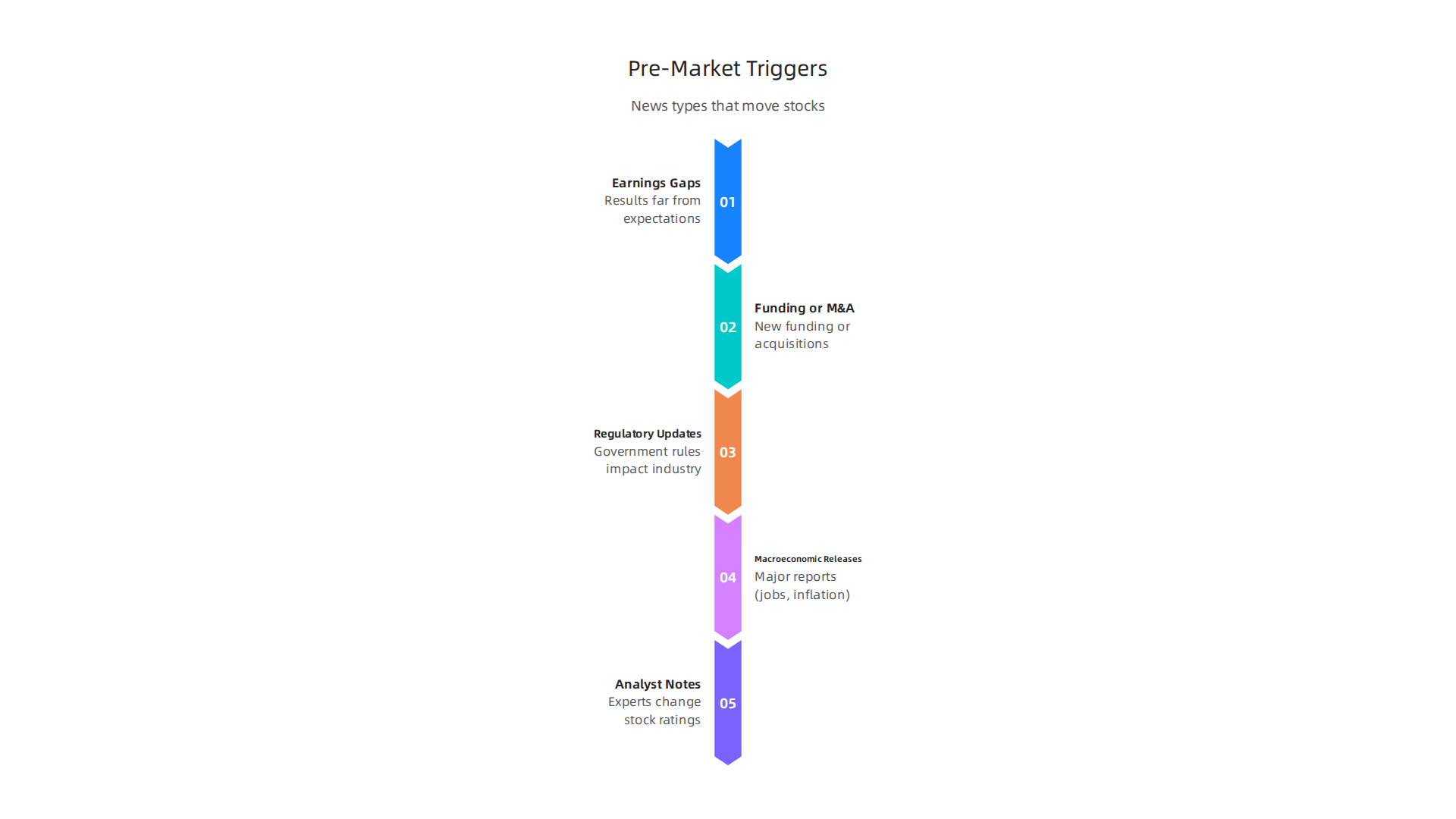
- Earnings Gaps: When a company shares its earnings report before the market opens, investors react quickly. If the results are much better or worse than expected, the stock price can "gap" up or down when trading begins. This is called an overnight price gap, and studies show these gaps can lead to notable price movements during the day Opening Gaps Helps To Surge Returns in Swing and Intraday Trading.
- Funding or Merger & Acquisition (M&A) Announcements: For AI companies, news about getting a lot of new money from investors (funding rounds) or being bought by a larger company (M&A) can cause huge excitement. These deals show that a company is growing fast or is seen as very valuable.
- Regulatory Updates: New rules or changes from the government can have a big impact on entire industries. For example, if new laws come out about how AI can be used, it could affect many AI companies. These changes can make investors rethink a company’s future.
- Macroeconomic Releases: These are big economic reports about things like how many people have jobs or how much prices are changing (inflation). Such news can affect the entire stock market, not just one company. If there’s a surprise in these reports, it can lead to a general upward or downward trend for many stocks.
- Influential Analyst Notes: When well-known stock experts or financial firms change their opinion on a stock, it can get a lot of attention. For example, if a big bank says a company like MSTR pre market is now a "strong buy," it can make more people want to buy that stock.
Understanding Signal Strength
Some news has a stronger signal than others.
- Strong Signals: Earnings surprises, major funding deals, and big M&A news often lead to lasting price changes during the day. They point to real shifts in a company’s value or future. High trading volume during the pre-market hours can also confirm that a big move is authentic and likely to continue into the regular session Pre-Market Most Active.
- Weaker Signals: Rumors, small analyst updates, or general market chatter usually cause only quick, small price changes that don’t last. It’s important to tell these apart so you don’t overreact.
For AI companies especially, keep an eye out for news about new model releases or big partnerships with giant tech companies. These are unique triggers for the AI sector and can really change how investors see a company’s future. Learning how to invest smartly in this fast-paced world can greatly improve your chances of success. You can find more helpful advice in our guide on Smart Strategies to Invest in AI Stocks.
Knowing what kind of pre-market news is important is only half the battle. The next step is learning how to find this information quickly and figure out what truly matters for your investments. With so much news coming out, it’s easy to get lost. So, let’s look at how you can gather, filter, and prioritize pre-market news efficiently in 2026.
How to Gather Pre-Market News
To get a jump on the market, you need a smart plan for finding news.
- Prioritized News Feeds: Many financial platforms offer news feeds that update in real time. You can often set these up to show you news about specific companies or sectors, like AI. Sources like CNBC often have specific segments for The Pre-Market Rundown, which can be very helpful. Tools can also help you monitor these feeds automatically How to Trade Pre-Market.
- Curated Newsletters: Some newsletters do the heavy lifting for you, gathering the most important stories before the market opens. They can save you a lot of time by giving you a summary of what’s happening. These are especially useful for getting a clear overview without drowning in details.
- Exchange Pre-Market Feeds: Stock exchanges themselves often release announcements directly. These are official sources of information about listed companies.
- Company Press Rooms: For detailed information, go straight to the source. Public companies have "investor relations" or "newsroom" sections on their websites where they post earnings reports, merger announcements, and other key updates.
Putting together a watch list the night before is a smart move. This lets you focus your news search right away in the morning Pre Market Trading: How It Works & Strategies – TradingSim.
Filtering and Prioritizing Pre-Market News
Once you have your news sources, you need a way to sort through everything.
- Relevance Scoring: Not all news affects all stocks. You need to check if the news is about a company you are interested in, like an AI startup or a major player like MSTR pre market.
- Entity Matching: Look for specific company names and key investor names. This helps you quickly see if a piece of news is directly related to your investments.
- Time-Sensitivity: Pre-market news is all about timing. The older the news, the less impact it usually has on the opening bell. You want the freshest information.
- Noise Suppression: Ignore rumors or general market chatter that doesn’t come from a reliable source. Not every tweet or forum post is going to move a stock. A structured morning routine can help you quickly scan and filter information Pre-Market Trading: How to Prepare and Trade Before | TradeAlgo.
Automation Versus Manual Review
In 2026, technology helps a lot with pre-market analysis, but you still need your own judgment.
- When to Use Alerts and Basic Scripts: You can set up alerts for specific keywords, company names, or sudden price changes in pre-market trading. Basic scripts can help you scan for headlines that fit certain criteria. These tools are great for catching big news fast.
- When Human Vetting Is Necessary: For high-impact decisions, a human eye is still best. Automation can flag potential news, but you’ll need to read the details, understand the context, and decide how it truly affects a stock. This is where your deeper understanding of the market and the company comes in. For example, if you’re trying to master how to master AI stock trading hours for premarket after-hours and global markets, you’ll need both automated tools and careful personal analysis.
Staying on top of pre-market news efficiently means using the right tools and knowing when to trust your own careful review.
The AI Newsletter Worth Reading: Get clear daily AI updates from The Deep View Newsletter.
After you have gathered and sorted your pre-market news, the next step is to look at some important numbers. These numbers are called quantitative indicators.
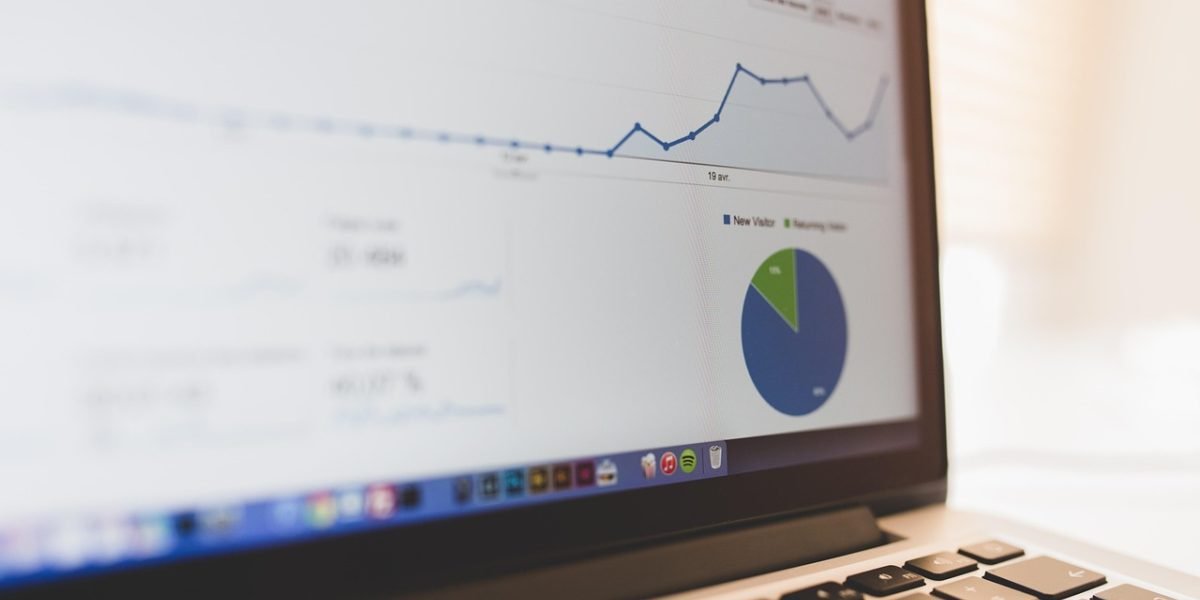
They help you understand how the news might affect a stock, especially when you are doing something like quantitative trading for AI investors. Let’s dive into what numbers matter most in 2026.
Quantitative indicators to combine with pre-market news
Volume and Liquidity Signals
Think of trading volume as how many shares of a stock are bought and sold. When you see a big jump in pre-market volume, it means lots of people are interested in that stock even before the market opens fully. This kind of big interest can confirm that the pre-market news is really important and could lead to big price changes when the market officially starts. You can often see which stocks are most active before the market opens by checking their pre-market volume Pre-Market Most Active.
But sometimes, stocks do not trade much, especially smaller AI companies. These are called "thinly traded" stocks. For these, even a small amount of trading can look like a big spike. So, you need to compare the pre-market volume to the stock’s usual daily volume. If a stock that normally trades 10,000 shares a day suddenly has 5,000 shares traded pre-market, that’s huge. But for a stock that usually trades millions, 5,000 shares is barely anything. Understanding liquidity, or how easy it is to buy or sell a stock without changing its price much, is key Liquidity Prediction in Limit Order Book Markets.
Price Movement Context
It’s also important to look at how a stock’s price moves before the market opens, which we call price action.
- Overnight Drift: This is the small change in a stock’s price from when the market closed the day before to when it starts trading pre-market. Sometimes, prices tend to move a certain way overnight The Overnight Drift. If good news comes out, you might see the price drift up.
- Gap Size: This happens when a stock opens much higher or lower than where it closed the day before. A big "gap" often means there was very important news overnight. For example, if news about a company like MSTR pre market causes its stock to jump 10% before open, that’s a significant gap. Studies show that big gaps can often lead to further price movements once regular trading begins The Predictive Power of Overnight Gaps.
- Relative Strength: Compare the stock’s pre-market movement to its sector or the broader market. If an AI stock is up 5% but the entire AI sector is also up 5%, then it’s just moving with the crowd. But if that AI stock is up 5% and the sector is flat, that tells you something important is happening with that specific company. This helps you avoid getting caught in a general [stock market sell off] affecting everything.
- Historical Volatility: This is how much a stock’s price usually moves. A stock that normally swings wildly will react differently to news than a very stable one. Knowing a stock’s past behavior helps you guess its future reactions.
Order Book and Options Imbalances
For an even deeper look, check the "order book" and "options market." The order book shows all the buy and sell orders waiting to be filled for a stock. If there are many more buy orders than sell orders, it can signal that the price is likely to go up. This is especially true for companies that investors are watching closely.
Also, looking at options can help. Options are contracts that give you the right to buy or sell a stock at a certain price. If many people are buying options that bet on a stock’s price going up (called call options) in the pre-market, it can be another sign of confidence. These imbalances can hint at price changes, but they are a bit more complex to understand Order Book Liquidity on Crypto Exchanges.
By combining what you learn from pre-market news with these numbers, you get a much clearer picture of what might happen when the market opens. This helps you make smarter choices, whether you are using a platform like Fidelity stock trading or another service. Keeping an eye on these factors for AI stocks 2026 will give you an edge.
Beyond looking at numbers, it is also very helpful to understand the feeling behind the pre-market news itself. This is where special computer tools, often called sentiment analysis and Natural Language Processing (NLP), come in handy. These tools help break down news headlines to understand if they are mostly good, bad, or neutral for a company.
Basic NLP Signals
When we use NLP for financial news, we look for a few main things:
- Polarity: This is about figuring out if a headline is positive, negative, or neutral. For example, a headline about a company making a big profit would be positive, while news about a lawsuit would be negative. Experts use specific methods to get this right, with some achieving high accuracy in classifying financial headlines NLP-Based Sentiment Analysis of Financial News.
- Named-Entity Recognition: This is how computers identify specific names of companies, people, or places in the news. It helps you connect a piece of news, like "MSTR pre market earnings beat expectations," directly to the correct stock, in this case, MicroStrategy (MSTR). This step is super important to know which stock the sentiment applies to. Some research focuses on making these systems smarter by linking sentiment to specific entities within the news SEntFiN 1.0: Entity‐aware sentiment analysis for financial news.
Practical Scoring Models and Challenges
To get a score for a headline, we use different AI models. Some models are better than others, and sometimes using a mix of models, called an "ensemble approach," gives more reliable results. Studies often compare different AI techniques to find the best way to understand financial headlines Comparative Evaluation of Embedding Representations for … – arXiv.
However, analyzing pre-market news headlines can be tricky. Short headlines sometimes lack enough words for the AI to make a clear judgment. Also, "clickbait" headlines, which try to grab attention but do not give much real information, can mislead the scoring system. It is like trying to guess a whole story from just one exciting word. There are even free tools you can try online to see how different headlines are scored Finance Sentiment Analyzer.
Validation and Alignment with Market Reactions
After scoring the headlines, the next step is to see if these sentiment scores actually mean anything for stock prices. This is called "validation." You can look back at old data (this is called backtesting) to see if positive pre-market news scores generally led to higher stock prices or if negative scores led to lower prices when the market opened. You want to see if your sentiment scores align with real price and volume reactions.
If a strong positive sentiment score from pre-market news consistently leads to a stock’s price going up and a lot of shares being traded, then your method is working well. This helps you make smarter choices, whether you are using a platform like Fidelity stock trading or another service, by giving you a fuller picture of how news might affect AI investments 2026.
After understanding how to measure the "feel" of pre-market news, the next step is to use that information to make smart trading moves. This means having clear plans for how you will react when big news like company earnings, funding announcements, or new partnerships come out.
Event-driven strategies: earnings, funding announcements, and partnership news
When important news hits before the main market opens, stocks can move a lot. Knowing what to do in these moments is key. Here are some plans, or "strategies," people use:
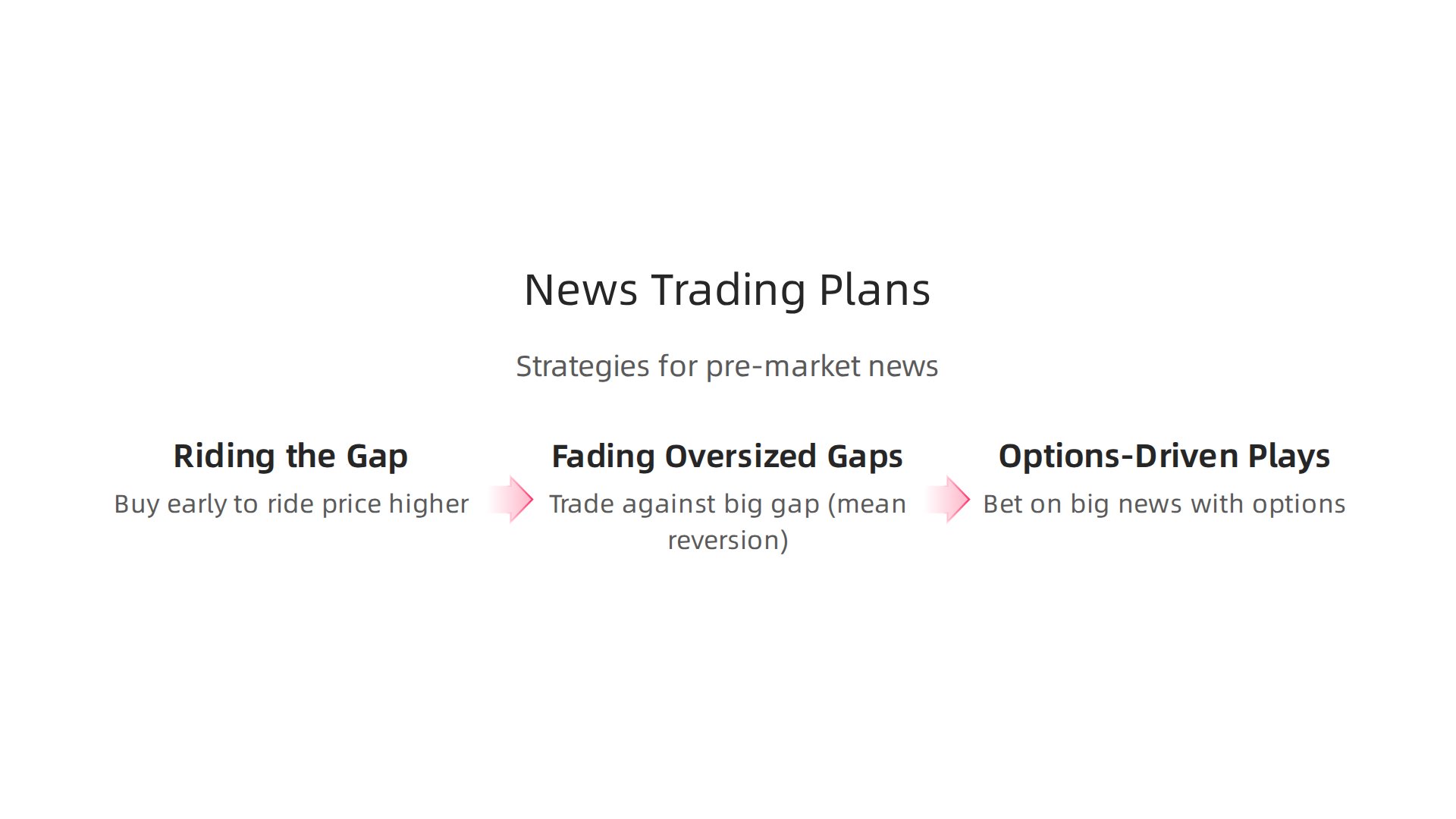
Simple Trading Plans for News
- Riding the Gap (Momentum Entry): Sometimes, very good pre-market news makes a stock’s price jump up a lot before the market even opens. This creates a "gap" between yesterday’s closing price and today’s opening price. If you think the good news will keep pushing the stock higher, you might buy early to "ride the gap" as the market opens. The opposite is true for bad news, leading to a downward gap, which some traders might use for a "stock market sell off" strategy.
- Fading Oversized Gaps (Mean Reversion): What if a stock jumps too much on pre-market news? Sometimes, the first big reaction is an overreaction. When a stock’s price opens much higher or lower than it should, it might "come back to normal" a bit. This is called mean reversion. A strategy here is to trade against the big gap, expecting the price to move back towards a more reasonable level. This often happens if the news isn’t as good or bad as people first thought.
- Options-Driven Plays: For those who know a bit more about trading, options can be a smart way to bet on big news without risking too much money directly on the stock itself. You can use options to guess if a stock will move a lot, no matter which way it goes, or to bet on a specific price direction after an event.
Special Tips for AI Startups
When looking at pre-market news for AI startups, you need to be extra careful.
- Funding News: Do not just look at the size of the money raised. Also check who invested. Famous or "lead" investors can mean a lot more than just a large sum. To understand what this means for future growth, it helps to know how to maximize AI startup funding and explore every capital solution.
- Tech-Validation Signals: Is the news about a new product that really works, or just a big claim? Look for signs that the AI technology is truly proven and not just a "vanity headline" meant to look good. This helps you figure out which AI stocks 2026 are truly worth it.
How to Make Your Trades Happen
Once you have a plan, you need to actually place your trades. This is called "execution mechanics."
- Order Types: When the market is moving fast, like after big pre-market news, the type of order you place matters. A "market order" tells your broker to buy or sell right away at the best available price. But sometimes, especially during less busy pre-market hours, the price can change very quickly. So, many traders prefer "limit orders." A limit order lets you set a maximum price you will pay to buy, or a minimum price you will accept to sell. This protects you from getting a much worse price than you expected Exhibit E-1. Using limit orders in pre-market trading is a good practice because prices can be less stable How to Trade Pre-Market.
- Minimizing Slippage: "Slippage" happens when the price you thought you would get for a trade is different from the price you actually get. This is more common in fast-moving markets or during pre-market when fewer people are trading. Using limit orders helps a lot to avoid slippage.
- Pre-Market Hours: Keep in mind that pre-market trading hours can vary, but generally start early, around 4:00 AM ET, and run until the main market opens at 9:30 AM ET Federal Register/Vol. 91, No. 72/Wednesday, April 15, …. Many traders use these hours to review the latest updates, like the Pre-Market Rundown on CNBC. Planning your routine is a big part of successful pre-market activity Pre-Market Trading: How to Prepare and Trade Before.
After setting up your trading plans, the next big step is to protect your money. This means learning how to avoid bad signals and risky situations when looking at pre-market news.

It is easy to get caught up in the excitement, but smart traders know how to spot the difference between real opportunities and tricks.
What Can Go Wrong with Pre-Market News
When you are watching the market before it opens, some things can make you lose money if you are not careful:
- Rumor-Driven Spikes: Sometimes, a stock’s price jumps way up based on a rumor, not real news. These sudden increases can vanish quickly once people realize the rumor is not true. It is like chasing a ghost.
- Bot-Amplified Headlines: In 2026, many news headlines are spread by computer programs, or "bots." These bots can make a small piece of news seem much bigger than it is, creating a lot of fake excitement. This can lead to what looks like a "stock market sell off" for some unsuspecting traders if the hype dies down.
- Low-Liquidity Traps in Small-Cap AI Names: Smaller companies, especially new AI startups, often have fewer shares being traded. This is called "low liquidity." When there is not much trading, even small buys or sells can cause huge price swings. You might buy a stock easily, but then find it hard to sell it later without losing a lot of money. The price impact is often higher for these stocks outside of the main trading hours, as detailed in research on trading volume and stock prices The Effect of Trading Volume on Stock Price.
Simple Rules to Keep Your Money Safe
To avoid these traps, here are some practical safety measures:
- Position Sizing: Do not put all your eggs in one basket. Decide beforehand how much money you are willing to risk on any single trade. If a trade goes wrong, you should not lose more than a small part of your total trading money. This helps you stay in the game for the long run, even if you make a mistake.
- Time-Based Exit Rules: Sometimes, a stock does not move the way you thought it would. Have a clear plan for when you will sell, no matter what. For example, you might decide to sell if the stock does not move enough within the first 15 minutes of the market opening. This stops you from holding onto a losing trade for too long.
- Confirmation Requirements (Volume + Price): Do not trust a big price jump on pre-market news alone. Always check for strong trading volume to confirm it. High volume means many people are buying or selling, which makes the price move more reliable. If a stock jumps up but very few shares are traded, it might not be a real move Pre-Market Most Active. This is especially important for pre-market activity that can greatly affect the market open How Premarket Trading Affects the Market Open in 2026.
Playing Fair and Staying Legal
It is also important to remember the rules. Trading based on pre-market news needs to be done ethically and legally. Always be aware of:
- Red Flags: Watch out for news that seems too good to be true, or comes from unclear sources. Be careful about information shared on social media without a clear, trustworthy origin.
- Compliance: All trading activities must follow rules set by regulators. For example, the SEC has clear guidelines on how companies and traders should act. Staying updated on these rules is crucial for anyone involved in trading, including those using platforms like Fidelity stock trading accounts. The responsibility for following these rules always lies with the individual or firm trading Federal Register/Vol. 91, No. 41/Tuesday, March 3, 2026/Notices.
By keeping these risk management tips in mind, you can approach pre-market news with more confidence and protect your investments. It is all about making smart choices, not just fast ones. If you are looking to deepen your understanding of the broader AI market and how to make informed decisions, learning about the AI market landscape 2026 global investment and future trends can be very helpful.
To truly make smart choices with pre-market news, it helps to have a clear, step-by-step way of working. Think of it like a recipe you follow every morning.
This organized approach helps you stay calm and make good decisions, even when things move fast.
Your Daily Pre-Market News Routine
Having a solid routine means you know exactly what to do from the moment you start looking at the market.
- Gather Information: First, collect all the important news. This means checking economic calendars for big announcements, looking at company earnings reports that came out overnight, and scanning for any global news that could affect stocks. Many traders also use special tools to find which stocks are moving the most before the market officially opens, often called "pre-market movers" or "mstr pre market" analysis Pre-Market Trading: How to Prepare and Trade Before | TradeAlgo. CNBC often provides a quick rundown of what’s happening The Pre-Market Rundown: April 9, 2026.
- Filter the Noise: Not all news is important. You need to quickly decide what matters and what can be ignored. This is like a "triage" where you focus on the most important updates that could lead to big price changes. Look for news from trusted sources rather than just rumors 2026’s Best Expert Sourcing Strategy for News.
- Score Your Signals: Once you have important news, decide how strong it is. Does it really make a stock look good or bad? Does it have enough trading volume to back up any price movement? This helps you avoid jumping into a "stock market sell off" or a fake rally.
- Create Your Trade Plan: Before you make any trade, write down what you plan to do. This includes where you will buy, where you will sell if the trade goes well, and where you will sell if it goes wrong. This keeps you from making emotional choices. Many successful traders follow a strict morning ritual to improve their results 5 Pre-Market Routines That Improve Trading Results – Trade Ideas.
- Log Your Trades: After each trade, write down what happened. What was the news? Why did you trade? What was the result? This helps you learn and get better over time.
Tools to Help Your Analysis
In 2026, technology makes it easier to keep up with pre-market news.
- News Feeds and Alerts: Many platforms offer quick news feeds and alerts that can tell you right away when important news breaks. These tools can save you a lot of time by sorting through headlines and highlighting what’s most relevant.
- Lightweight Automation: Some traders use simple programs to help them. These might automatically pull headlines or check for certain keywords. However, for serious trading, a human brain is still key to understanding the full picture.
- Custom vs. Off-the-Shelf Tools: You can buy ready-made trading tools or even create your own if you have the skills. Platforms like Fidelity stock trading often have their own research tools that can help. When choosing, think about what fits your needs and how much you want to spend. For more general insights into useful AI business tools, you can read about how to find the best AI tools for businesses to maximize your 2026 efficiency.
Getting Better Over Time
A good trader is always learning. You can measure how well you are doing and then make changes to your routine.
- Track Your Success: Look at things like your "hit rate" (how often your trades are winners) and your "average return per signal" (how much money you make on average from each good piece of news). Also, consider your "time-to-decision," meaning how quickly you can act on important pre-market news.
- Keep Improving: Regularly review your trade logs and look at your numbers. What worked? What didn’t? Make small changes to your routine or your tools based on what you learn. This is how you get better at using pre-market news to your advantage. Understanding when the market opens and closes for different types of trading, including pre-market, is also important for planning your routine master AI stock trading hours for premarket after hours and global markets.
Building a solid workflow for pre-market news helps you make more informed decisions and reduces surprises. It’s about being prepared, using the right tools, and always striving to improve.
If you are interested in getting daily updates on AI and technology, which can impact pre-market news, consider subscribing to The AI Newsletter Worth Reading.
Summary
This article explains why pre-market news is crucial for investors and traders focused on AI companies and shows how to use that early information to make smarter decisions. It covers the types of pre-market headlines that reliably move AI stocks—earnings, funding, M&A, regulatory updates and macro releases—and how to measure signal strength using volume, gap size, order-book and options imbalances. You’ll learn practical ways to gather and filter news fast, combine headlines with quantitative indicators and NLP sentiment scores, and validate signals with backtests. The guide also presents event-driven trading plans (momentum, fade, options plays), execution best practices like using limit orders to reduce slippage, and simple risk controls such as position sizing and time-based exits. Finally, it offers a repeatable morning routine and tooling advice so you can react quickly while avoiding rumor-driven traps and staying compliant.